Introduction
In today’s competitive marketplace, packaging design solutions play a crucial role in shaping how consumers perceive your brand. The design of a package is no longer just about protecting a product — it’s about telling a story, engaging customers, and influencing buying decisions. Whether it’s a new product launch or a rebranding project, effective packaging can transform an ordinary item into a memorable experience. This comprehensive guide explores everything you need to know about creating innovative packaging designs that connect with customers, enhance brand recognition, and drive sales.
The Importance of Packaging Design Solutions
Packaging is the first physical touchpoint between a brand and its audience. A well-designed package instantly communicates quality, trust, and value. Beyond visual appeal, strategic packaging design serves practical and psychological functions. It protects the product, conveys essential information, and stimulates emotional engagement that influences purchasing behaviour. When customers see thoughtfully designed packaging, they subconsciously associate it with a brand that cares about quality and attention to detail.
In sectors such as food, cosmetics, electronics, and fashion, packaging design solutions can determine whether a product stands out on crowded shelves or fades into the background. As consumer expectations evolve, brands must embrace innovation, sustainability, and digital integration to remain competitive.
Elements of Effective Packaging Design
Visual Identity
Your packaging is a visual ambassador for your brand. Elements like colour, typography, and imagery must align with your overall brand identity. Consistency in design helps customers instantly recognise your products, even from a distance. Strong visual identity builds trust, boosts recall, and creates a cohesive brand experience.
Structure and Functionality
Practicality is as important as aesthetics. Packaging should be easy to open, handle, and store. Structural design influences user experience and product protection. Innovative shapes, compartments, and closures can add uniqueness while ensuring functionality. Balancing creativity with practicality ensures that packaging delights without compromising usability.
Materials and Sustainability
With growing environmental awareness, sustainable materials are now a key factor in packaging design. Brands that adopt eco-friendly materials such as recycled paper, biodegradable plastics, or compostable films gain a positive reputation. Sustainable packaging not only reduces waste but also appeals to eco-conscious consumers. Incorporating sustainability into packaging design solutions shows responsibility and foresight.
Typography and Messaging
Typography communicates tone, clarity, and brand personality. Choosing the right font style and size ensures that information such as ingredients, usage, and safety details remain readable. Clear messaging helps customers make informed decisions. Effective packaging design integrates brand storytelling, emotional triggers, and transparency to build loyalty.
Trends Shaping Modern Packaging Design
The world of packaging design is evolving rapidly. Several key trends are redefining how brands approach their packaging strategies.
Minimalist Aesthetics
Less is more. Clean layouts, subtle colours, and simple fonts communicate sophistication and authenticity. Minimalism helps products stand out by highlighting what truly matters — the product itself.
Smart Packaging
Technology is merging with design. Smart packaging solutions use QR codes, NFC tags, and augmented reality to enhance customer interaction. This allows consumers to access product details, trace origins, or enjoy immersive brand experiences with their smartphones.
Sustainable Innovation
Eco-conscious consumers are driving innovation. Brands are adopting recyclable, compostable, or reusable materials. Some even experiment with edible packaging or seed-infused paper that can grow plants after disposal.
Personalisation and Customisation
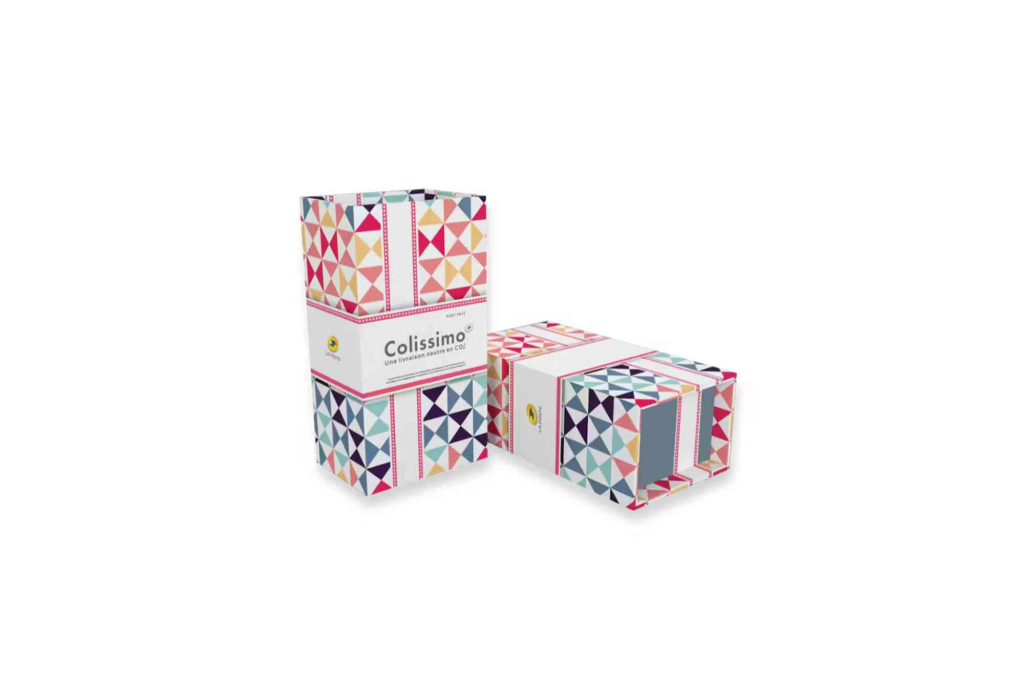
Consumers love personalised experiences. Custom Packaging allows businesses to tailor their designs to individual preferences, special occasions, or limited editions. Personalised packaging strengthens emotional connections and increases repeat purchases.
Transparent and Honest Design
Transparency in both design and brand ethics builds trust. Clear packaging or window designs that reveal the product inside give customers confidence in what they’re buying.
The Creative Process Behind Packaging Design Solutions
A successful packaging design doesn’t happen by chance. It involves careful planning, collaboration, and testing.
Research and Strategy
Understanding your target market, competitors, and product positioning is essential. Research helps define your visual direction and ensures your design resonates with your audience.
Concept Development
Designers experiment with multiple ideas, colours, shapes, and layouts to create unique visual concepts. Brainstorming sessions often lead to discovering new creative angles that set your brand apart.
Prototyping and Testing
Before final production, prototypes are developed to test usability, visual impact, and functionality. Real-world testing ensures that the packaging works as intended and appeals to consumers.
Refinement and Launch
After collecting feedback, designers refine the final design. Once approved, production begins, followed by marketing strategies that highlight the new packaging as part of your brand identity.
How Packaging Design Solutions Influence Consumer Behaviour
Packaging design has a profound psychological impact. Colour psychology, shapes, and textures trigger emotional responses that drive purchasing decisions. For example, warm colours like red and orange evoke excitement, while blue and green suggest calmness and trust.
Texture plays a role, too — matte finishes feel premium, while glossy surfaces convey energy and vibrancy. Even small design choices, such as embossed logos or foil accents, create tactile experiences that enhance perceived value.
Consumers also associate packaging quality with product quality. A poorly designed package can make even a great product appear cheap, whereas a premium package elevates the perceived worth of the product inside.
Common Mistakes to Avoid in Packaging Design
While innovation is crucial, avoiding common pitfalls ensures success. Overcrowded designs, inconsistent branding, and unclear messaging confuse customers. Using low-quality materials or ignoring sustainability can harm your brand reputation. Always ensure that design aligns with your brand values and target audience.
Sources of Packaging Design Inspiration
Creative packaging requires fresh ideas and exposure to global design trends. Websites like Packaging Design Inspiration showcase thousands of examples from leading designers worldwide. Analysing these designs can spark creativity and help you understand what works best across industries.
Benefits of Investing in Professional Packaging Design Solutions
Hiring experts for packaging design offers numerous advantages. Professionals bring experience, technical skills, and an understanding of market psychology. They ensure your packaging aligns with both aesthetic appeal and regulatory requirements. Professionally designed packaging can increase shelf visibility, reinforce brand loyalty, and ultimately boost sales.
Packaging Design for Different Industries
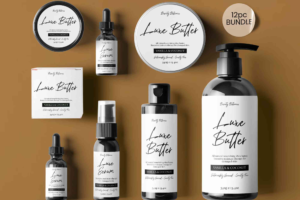
Every industry has unique packaging needs. Food packaging must ensure freshness and safety while maintaining visual appeal. Cosmetics packaging requires elegance, hygiene, and luxury. Electronics need protective and secure packaging, while eco-friendly brands prioritise sustainable materials. Understanding industry-specific requirements ensures effective design tailored to product functionality and consumer expectations.
packaging design solutions
Advancements in digital printing have revolutionised packaging design. It enables short-run customisation, faster turnaround times, and cost-effective production. Digital printing supports complex graphics, vibrant colours, and personalised elements, making it ideal for brands seeking flexibility and creativity.
How to Choose the Right Packaging Design Partner
When selecting a packaging design provider, look for experience, portfolio diversity, and understanding of your brand vision. Discuss goals, budget, and sustainability priorities upfront. A good design partner collaborates closely, offering solutions that align with your marketing objectives and business values.
If you’re looking for an experienced packaging partner that combines innovation with craftsmanship, you can explore Buddy Packaging Location to learn more about where creativity meets quality packaging expertise.
Future of Packaging Design Solutions
The future of packaging lies in adaptability, personalisation, and sustainability. As technology and consumer demands evolve, brands will continue integrating digital features, eco-friendly materials, and storytelling-driven designs. The packaging of tomorrow will be smarter, greener, and more emotionally engaging than ever before.
Packaging design solutions are not just about wrapping a product — they’re about creating a connection. Effective packaging communicates your brand’s essence, enhances user experience, and leaves a lasting impression. From sustainability and innovation to personalisation and functionality, great packaging design can transform how customers perceive your brand.
If you’re ready to elevate your brand with visually stunning, functional, and sustainable packaging, visit Buddy Packaging Location or explore Custom Packaging to start crafting packaging that truly speaks to your audience.
FAQs
What makes packaging design successful?
Successful packaging design combines functionality, aesthetic appeal, and brand alignment. It attracts attention, communicates value, and protects the product.
How does packaging influence consumer behaviour?
Packaging impacts emotions, trust, and perceptions of quality. Well-designed packaging can encourage impulse purchases and brand loyalty.
What materials are best for sustainable packaging?
Recycled paper, biodegradable plastics, cardboard, and compostable films are commonly used in sustainable packaging design solutions.
Why is typography important in packaging?
Typography ensures legibility and communicates tone. It conveys the brand’s personality and makes information easy to understand.
How can I make my packaging stand out?
Focus on simplicity, originality, and storytelling. Use distinctive shapes, colours, and textures that reflect your brand identity.
Where can I find packaging design ideas?
Websites such as Packaging Design Inspiration feature thousands of creative examples to spark your imagination.