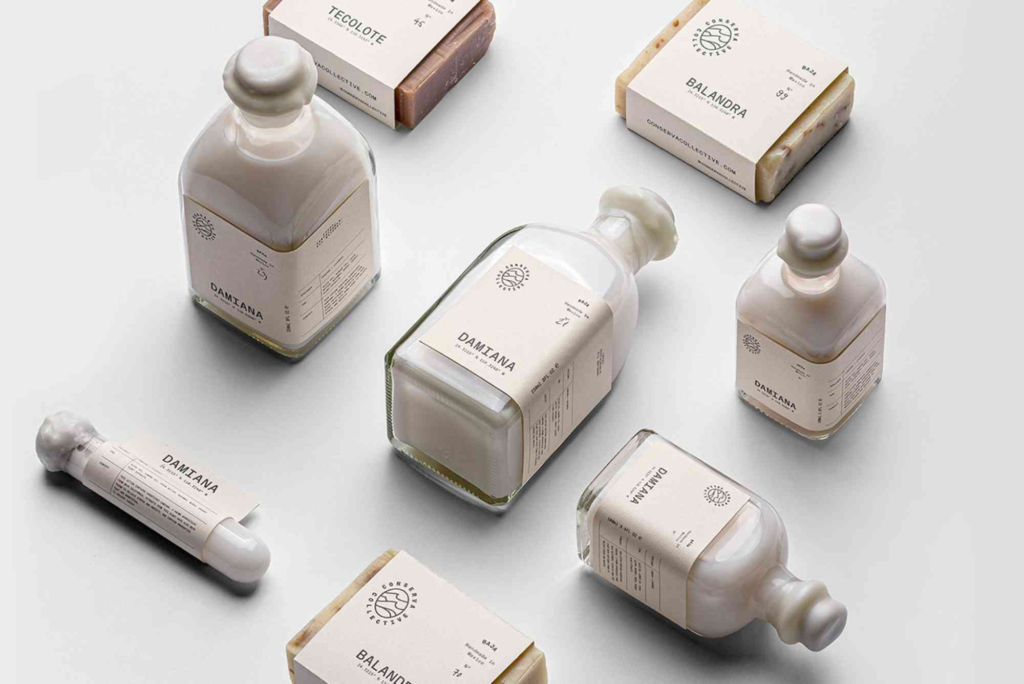
Packaging Design Skincare: How Thoughtful Design Builds Beauty Brands
Packaging design skincare brands rely on is no longer just about holding a product. It shapes first impressions, builds trust, and communicates value in seconds. In a competitive skincare market, packaging often speaks before the formula does. Consumers judge quality, safety, and credibility the moment they see a jar, tube, or box.
Modern buyers expect more than attractive visuals. They want clarity, sustainability, and authenticity. Packaging design skincare companies invest in must balance beauty with function, brand story with regulation, and innovation with cost control. When done well, packaging becomes a silent brand ambassador that drives loyalty and sales. This guide explores how effective packaging design skincare brands use today influences buying decisions, enhances brand identity, and supports long-term growth.
Why Packaging Design Skincare Brands Matters More Than Ever
Skincare is a trust-based industry. Customers apply products directly to their skin, often daily. Packaging design skincare professionals create must signal safety, hygiene, and expertise immediately. Clean layouts, quality materials, and clear labelling reassure buyers before they even read reviews.
E-commerce has increased this pressure. Shoppers often see packaging images before touching the product. Strong packaging design skincare brands use improves shelf appeal and digital visibility. It also helps products stand out in crowded online listings.
Packaging also plays a key role in perceived value. Premium finishes, balanced typography, and thoughtful colour choices justify higher prices. Meanwhile, poorly designed packaging can undermine even the best formulations.
Understanding the Core Elements of Packaging Design Skincare
Effective packaging design skincare brands trust starts with understanding the product and audience. Every design choice should support usability, compliance, and brand positioning. Materials matter more than many realise. Glass suggests luxury and purity. Airless pumps signal advanced formulation and hygiene. Lightweight plastics appeal to travel-focused users. Sustainable materials increasingly influence buying decisions, especially among younger consumers.
Typography must remain legible while reflecting brand tone. Dermatology-inspired brands favour clean, clinical fonts. Natural skincare brands often use softer typefaces to convey calm and wellness. Packaging design skincare projects succeed when typography matches brand promise.
Colour psychology also plays a strong role. Whites and neutrals suggest purity. Greens imply nature and sustainability. Pastels convey gentleness, while bold colours express confidence. Consistency across product lines strengthens brand recognition.
The Role of Functionality in Packaging Design Skincare
Beauty alone is not enough. Packaging design skincare brands rely on must perform well in daily use. Poor dispensing, leaking containers, or confusing labels frustrate users quickly. Ease of use builds loyalty. Pumps that deliver the right amount reduce waste. Tubes that stand upright improve convenience. Secure closures protect formulas and reassure customers during travel.
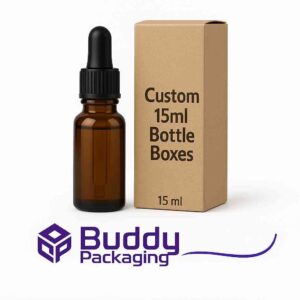
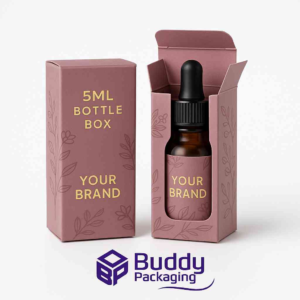
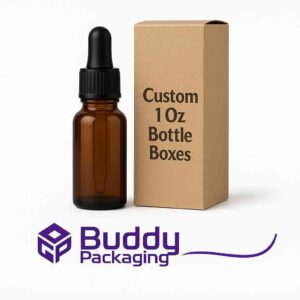
Regulatory compliance is another functional requirement. Packaging design skincare solutions must include ingredient lists, usage instructions, warnings, and batch information. These elements need to remain readable without cluttering the design. Durability also matters. Packaging must withstand shipping, storage, and handling. High-quality outer boxes protect inner containers and improve unboxing experiences. Many brands invest in Custom Packaging to tailor dimensions, materials, and finishes to their exact needs, improving protection and presentation at the same time.
Sustainability and Ethics in Modern Packaging Design Skincare
Sustainability is no longer optional. Packaging design skincare brands adopt today must reflect environmental responsibility. Consumers increasingly research packaging materials and disposal options before purchasing.
Recyclable materials, refill systems, and minimal packaging reduce environmental impact. Clear recycling instructions on packaging also build trust and transparency. Brands that communicate these efforts honestly gain stronger customer loyalty. Ethical considerations go beyond materials. Responsible sourcing, reduced ink usage, and efficient production methods all contribute to a positive brand image. Packaging design skincare brands committed to sustainability often share these values through subtle design cues rather than loud claims.
Balancing sustainability with luxury can be challenging. However, innovative materials and smart structural design allow brands to achieve both. This balance often becomes a strong differentiator in the skincare market.
Branding Consistency Across Skincare Product Lines
Consistency builds recognition. Packaging design skincare brands develop should maintain visual harmony across cleansers, serums, moisturisers, and treatments. Customers should recognise a brand instantly, even when products vary in size or function.
This consistency includes colour palettes, logo placement, typography, and packaging structure. It also extends to outer boxes, inserts, and even shipping materials. Cohesive design signals professionalism and reliability.
At the same time, subtle variations help customers distinguish products easily. Colour accents, icons, or clear naming conventions improve navigation without breaking brand identity. Brands often explore packaging design inspiration to stay aware of trends while maintaining originality. Studying global design trends helps brands evolve without copying competitors directly.
How Packaging Design Skincare Influences Buying Decisions
Packaging design skincare brands use directly affects purchasing behaviour. Studies consistently show that visual appeal influences perceived effectiveness. Customers often associate well-designed packaging with higher-quality formulas.
Clear messaging also drives conversions. Shoppers want to know benefits quickly. Packaging that highlights key ingredients or results without overwhelming text performs better. Honest, concise claims build credibility. Unboxing experiences matter too. Premium packaging creates emotional impact, especially for online orders. Thoughtful details like texture, opening mechanisms, and protective inserts enhance satisfaction and encourage repeat purchases.
Packaging also influences word-of-mouth marketing. Products that look beautiful on shelves and social media get shared more often. This organic exposure adds significant value beyond the initial sale.
Customisation and Innovation in Packaging Design Skincare
Customisation allows brands to stand out. Packaging design skincare companies increasingly invest in bespoke shapes, finishes, and opening experiences. These details create memorability and reinforce brand personality. Innovation also includes smart packaging. QR codes can link to usage videos or sustainability information. Tamper-evident features increase safety. Airless technology preserves sensitive formulas longer.
Small brands benefit greatly from customisation. Tailored packaging helps them compete visually with established players. Working with experienced suppliers allows brands to achieve professional results without excessive costs. Location and logistics also influence packaging decisions. Knowing a supplier’s facilities and support services matters. Brands often value transparency and accessibility, such as understanding the Buddy Packaging Location when planning production and delivery timelines.
Common Mistakes to Avoid in Packaging Design Skincare
Overdesign is a frequent mistake. Too many colours, fonts, or messages confuse customers. Packaging design skincare works best when it feels intentional and calm. Ignoring user experience also harms brands. Beautiful packaging that spills, breaks, or wastes product quickly leads to negative reviews. Design must always support daily use.
Another mistake is following trends blindly. While trends inspire, they should not override brand identity. Packaging design skincare should evolve thoughtfully, not change direction every season. Finally, underestimating production constraints can cause delays and cost overruns. Early collaboration between designers, manufacturers, and marketers ensures smoother execution.
Investing in Packaging Design Skincare for Long-Term Success
Packaging design skincare brands depend on is a powerful business tool. It influences first impressions, builds trust, supports sustainability goals, and strengthens brand identity. In a market driven by perception and experience, packaging often determines whether a product gets noticed or ignored.
Successful packaging balances beauty with function, innovation with clarity, and trends with authenticity. Brands that invest thoughtfully in packaging design skincare create deeper connections with customers and stand out in competitive spaces.
FAQs
What is the most important factor in packaging design skincare?
The most important factor is trust. Packaging must communicate safety, quality, and reliability immediately. Visual appeal supports this, but clarity and functionality matter just as much.
How does packaging design skincare affect brand perception?
Packaging design skincare shapes how customers perceive effectiveness and value. Clean, well-made packaging often leads customers to believe the product works better and is worth the price.
Is sustainable packaging essential for skincare brands?
Yes, sustainability strongly influences buying decisions. Many customers actively choose brands with recyclable or refillable packaging. Transparent communication about materials builds long-term loyalty.
Can small skincare brands afford professional packaging design?
Small brands can achieve professional results through smart choices. Custom packaging options and scalable designs allow startups to look established without excessive investment.
How often should skincare brands update their packaging design?
Updates should be strategic, not frequent. Minor refinements every few years help brands stay fresh. Major redesigns usually align with rebranding or product innovation.