Packaging Design Sketch: Turning Ideas into Impactful Packaging
A packaging design sketch is the foundation of every successful package you see on a shelf. Before colours, materials, or printing techniques come into play, ideas are explored on paper. This early stage helps designers visualise concepts, solve problems, and align packaging with brand goals. In today’s competitive market, skipping this step often leads to costly revisions and weak brand presence.
In this guide, you will learn what a packaging design sketch is, why it matters, and how professionals use it to create packaging that sells. You will also discover practical insights drawn from real design workflows, making this article useful for designers, brand owners, and marketers alike.
What Is a Packaging Design Sketch?
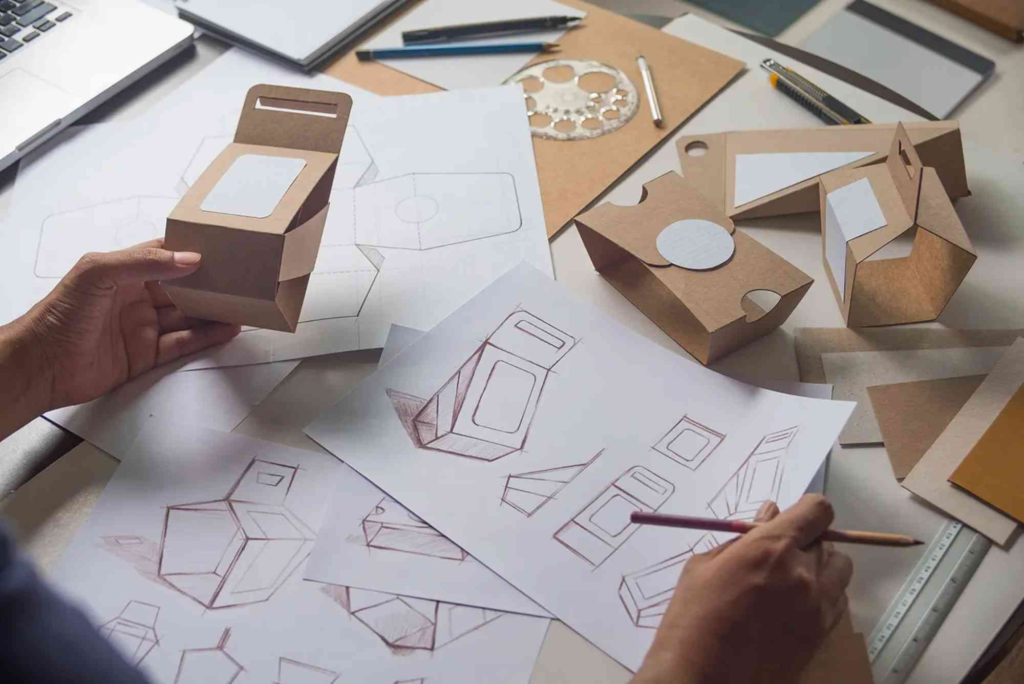
A packaging design sketch is a hand-drawn or digital drawing that represents the initial idea of a package. It shows the shape, structure, layout, and basic visual elements. Unlike final designs, sketches are quick, flexible, and easy to change.
Designers use sketches to explore multiple ideas before committing to one direction. This process saves time and money later. A sketch allows experimentation without technical limits. It encourages creativity while keeping the focus on function and branding.
In professional practice, sketches often include notes. These notes explain materials, opening mechanisms, and branding placement. This makes communication easier between designers, clients, and manufacturers.
Why a Packaging Design Sketch Matters
A strong packaging design sketch sets the tone for the entire project. It helps clarify ideas early and avoids misunderstandings later. When clients see sketches, they understand the concept better than through words alone.
Sketching also improves problem-solving. Designers can test proportions, balance, and usability on paper. Issues like awkward openings or wasted space become visible immediately. Fixing them at this stage is far easier than after production begins.
From an E-E-A-T perspective, experienced designers rely on sketching because it reflects real-world practice. Many award-winning packages began as simple pencil drawings. The sketch is not optional. It is essential.
The Role of Sketching in the Packaging Design Process
The packaging design process usually starts with research. Designers study the brand, target audience, and competitors. Once insights are clear, sketching begins.
A packaging design sketch bridges research and execution. It turns strategy into form. Designers often create dozens of sketches in one session. Most are discarded. A few are refined. This filtering process leads to stronger final concepts.
Sketching also supports collaboration. Team members can quickly review ideas and suggest improvements. This shared understanding speeds up decision-making and reduces revisions later.
Tools Used for Packaging Design Sketches
Traditionally, designers used pencils, markers, and sketchbooks. These tools are still popular because they feel natural and fast. Many professionals believe hand sketching encourages freer thinking.
Today, digital tools are also common. Tablets and stylus pens allow designers to sketch digitally while keeping the hand-drawn feel. Software like Procreate or Adobe Fresco is often used.
Regardless of the tool, the goal remains the same. A packaging design sketch should communicate the idea clearly. Perfection is not required. Clarity is.
Key Elements Shown in a Packaging Design Sketch
A good packaging design sketch focuses on structure first. Shape, size, and opening style come before decoration. This ensures the package works well in real use.
Branding elements are added next. Logos, text placement, and visual hierarchy are indicated. Designers show where the brand name will appear and how it will be noticed.
Finally, functional details are noted. These include folds, closures, and material thickness. These details help manufacturers understand the concept early.
How Sketching Improves Brand Identity
Packaging is often the first physical touchpoint between a brand and its customer. A thoughtful packaging design sketch helps align this touchpoint with brand values.
For example, a luxury brand may explore clean lines and minimal forms. An eco-friendly brand may focus on simple structures that reduce material use. Sketching allows these values to be tested visually.
When paired with well-planned Custom Packaging, sketches ensure the final product feels intentional. Every curve and panel supports the brand story.
Common Mistakes in Packaging Design Sketching
One common mistake is focusing too early on decoration. Colour and graphics matter, but structure comes first. A beautiful design on a poor structure will fail.
Another mistake is creating too few sketches. Limiting ideas early reduces creativity. Experienced designers know that quantity leads to quality.
Ignoring production constraints is also risky. While sketches should be free, they should still consider basic manufacturing realities. Balance creativity with practicality.
From Sketch to Final Packaging Design
Once a concept is chosen, the packaging design sketch evolves. Designers create refined drawings and then move to digital mock-ups. Measurements become precise. Materials are selected.
The sketch remains a reference throughout this process. It reminds the team of the original idea and intent. This continuity helps maintain design integrity.
Prototypes are often created next. These are physical versions based on the sketch. Testing reveals any remaining issues before mass production.
Learning from Packaging Design Inspiration
Studying existing designs improves sketching skills. Analysing successful packages helps designers understand what works and why.
Exploring platforms that offer packaging design inspiration exposes designers to global trends and innovative structures. These references do not replace original thinking. They enhance it.
Experienced designers often sketch after reviewing inspiration. This practice helps translate abstract ideas into concrete forms.
Packaging Design Sketch and Sustainability
Sustainability is a growing concern in packaging. Sketching plays a key role in addressing it. Designers can explore ways to reduce material use and improve recyclability at the sketch stage.
Simple changes in structure can significantly reduce waste. Sketching allows these changes to be tested quickly. This proactive approach supports both environmental and business goals.
Brands that consider sustainability early often gain consumer trust. A thoughtful sketch can be the first step towards responsible packaging.
How Long Should the Sketching Stage Take?
There is no fixed rule. Some projects require days of sketching. Others may only need a few hours. The complexity of the product and brand determines the time needed.
Rushing this stage often leads to problems later. Spending extra time sketching can save weeks during production. Experienced professionals know where to invest their time.
The key is not speed, but exploration. A packaging design sketch should answer questions, not create new ones.
FAQs
What is the purpose of a packaging design sketch?
The purpose is to visualise ideas early. It helps explore structure, branding, and usability before final design work begins.
Do I need to sketch if I use design software?
Yes, sketching remains valuable. It encourages faster idea generation and problem-solving than starting directly on a computer.
How detailed should a packaging design sketch be?
It should be clear, not perfect. Basic structure, branding placement, and notes are enough at this stage.
Can non-designers create packaging design sketches?
Yes, basic sketches from brand owners can help communicate ideas. Professional designers then refine them.
How does sketching reduce packaging costs?
Early problem-solving prevents expensive changes later. It also improves material efficiency and production planning.
Why You Should Never Skip the Packaging Design Sketch
A packaging design sketch is more than a drawing. It is a thinking tool. It shapes ideas, solves problems, and aligns packaging with brand strategy. Skipping this step often leads to weak designs and higher costs.
Whether you are launching a new product or refreshing an existing one, invest time in sketching. Explore ideas freely. Test structures early. Use sketches to communicate clearly with your team.
If you want packaging that truly represents your brand, start with a strong packaging design sketch. Take the first step today by exploring professional design approaches and investing in thoughtful, well-planned packaging solutions.