Introduction
A packaging design project is more than creating an attractive box. It is a strategic process that connects branding, marketing, sustainability, and customer experience into one cohesive solution. Whether you are launching a new product or refreshing an existing line, a well-planned packaging design project can influence purchasing decisions, strengthen brand identity, and build long-term trust.
Today’s consumers expect packaging that is functional, visually appealing, and environmentally responsible. Therefore, businesses must approach every packaging design project with research, creativity, and technical precision. In this comprehensive guide, you will learn how to plan, execute, and optimise your packaging for measurable results.
Why a Packaging Design Project Matters
Packaging is often the first physical interaction a customer has with a product. Before they test the quality, they judge the presentation. Because of this, your packaging design project directly impacts perception, credibility, and buying behaviour.
A thoughtful packaging design project helps to:
Strengthen brand recognition
Differentiate from competitors
Communicate product benefits clearly
Enhance shelf appeal and online visibility
Support sustainability goals
In competitive retail environments, packaging acts as a silent salesperson. It tells your story without words and encourages customers to choose your product over others.
Understanding the Core Objectives
Before starting any packaging design project, it is essential to define clear objectives. Without direction, even the most creative designs can fail commercially.
Brand Alignment
Your packaging must reflect your brand personality. Is your tone premium, playful, minimal, or eco-conscious? Every colour, font, and material choice should support your brand identity.
Target Audience Appeal
A packaging design project should be tailored to a specific audience. For example, packaging aimed at young adults may feature bold graphics, while luxury buyers may prefer understated elegance.
Functionality and Protection
Design is important, but practicality matters just as much. Your packaging must protect the product during shipping, storage, and display. A successful packaging design project balances aesthetics with durability.
Research and Market Analysis
Research forms the foundation of every effective packaging design project. Skipping this step often leads to costly redesigns later.
Start by analysing competitors. Study what works and what feels outdated. Visit shops or browse online marketplaces to observe trends. Additionally, gather customer feedback to understand expectations and pain points.
You may also explore platforms offering packaging design inspiration to identify emerging styles and materials. However, inspiration should guide creativity, not replace originality.
Market research ensures your packaging design project is grounded in strategy rather than guesswork.
Concept Development and Creative Direction
Once research is complete, the creative phase begins. This is where ideas transform into visual concepts.
Brainstorming sessions are essential at this stage. Designers and marketing teams should collaborate closely. Mood boards can help visualise colour schemes, typography, textures, and finishes.
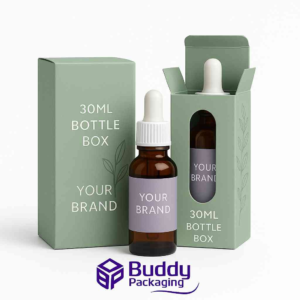
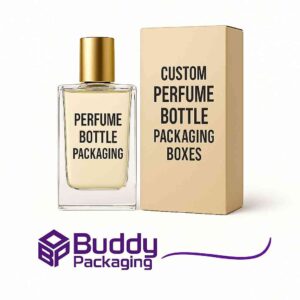
During this stage, consider whether your packaging will require bespoke structures or standard box formats. Many brands explore Custom Packaging options to achieve a unique and tailored look that aligns with their product dimensions and brand values.
Concept sketches and digital mock-ups allow stakeholders to review and refine ideas before production.
Structural Design and Materials
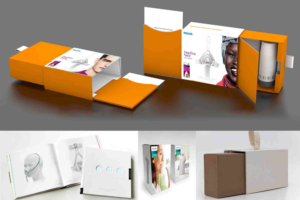
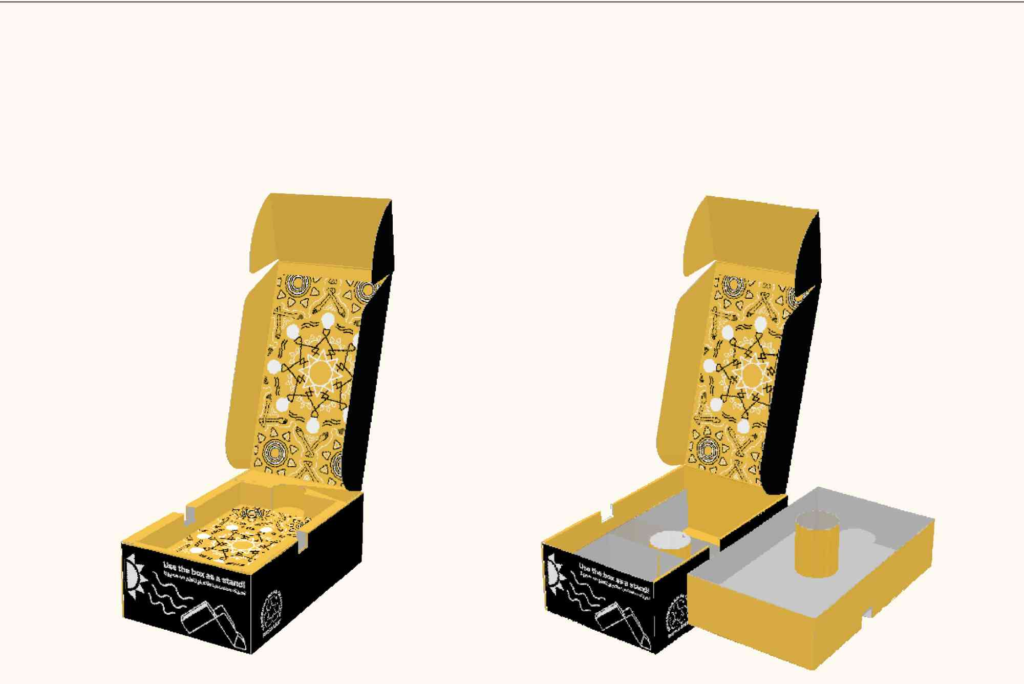
Structure plays a vital role in any packaging design project. It determines how the product fits, how customers open it, and how it is transported.
Corrugated cardboard is common for shipping boxes. Rigid board is popular for luxury packaging. Flexible pouches suit lightweight goods. Each material offers different advantages in cost, strength, and environmental impact.
Sustainability has become central to modern packaging design project planning. Brands increasingly choose recyclable or biodegradable materials. Minimalist designs reduce waste and lower production costs.
Selecting the right materials also affects printing quality. Therefore, collaborate closely with suppliers to ensure compatibility between design and production.
Graphic Design and Branding Elements
Visual communication is the heart of a packaging design project. Graphics must attract attention while conveying essential information clearly.
Typography should be legible at a glance. Colour palettes must align with brand guidelines. Imagery should support product positioning.
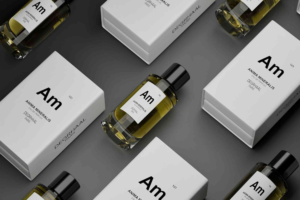
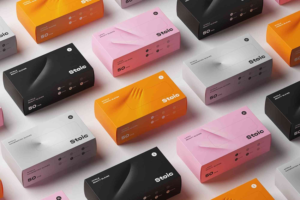
In retail environments, products compete for limited shelf space. Strong contrast and clear messaging improve visibility. Online shoppers also judge packaging through images, so designs must photograph well.
Consistency across product lines strengthens brand recall. When customers recognise your packaging instantly, your packaging design project has succeeded.
Compliance and Legal Considerations
Every packaging design project must meet regulatory standards. Labelling requirements vary by industry and region. For example, food packaging must display nutritional information and allergy warnings.
Ignoring compliance can lead to fines or product recalls. Therefore, involve legal teams early in the process. Accurate barcodes, safety icons, and usage instructions must be incorporated seamlessly into the design.
Compliance does not mean sacrificing creativity. Instead, it requires careful layout planning.
Prototyping and Testing
Before final production, a packaging design project should undergo thorough testing. Prototypes reveal potential flaws in structure or print quality.
Test packages under real shipping conditions. Check how they withstand pressure, moisture, and temperature changes. Additionally, conduct user testing to evaluate ease of opening and overall experience.
Feedback during this stage prevents expensive mistakes later. It also provides insight into how customers interact with the packaging.
Production and Supplier Collaboration
Production marks a critical phase of the packaging design project. Clear communication with manufacturers ensures the final output matches the approved design.
Request sample runs before committing to large quantities. Confirm colour accuracy and material strength. Discuss timelines and minimum order quantities.
Reliable suppliers can offer guidance on cost-saving techniques without compromising quality. Strong partnerships often improve long-term efficiency.
Sustainability in Modern Packaging Design Projects
Sustainability is no longer optional. Consumers actively seek eco-friendly brands. Therefore, integrating sustainability into your packaging design project adds significant value.
Use recyclable materials whenever possible. Minimise excess layers. Consider soy-based inks and water-based coatings.
Clear sustainability messaging also builds trust. Customers appreciate transparency regarding environmental impact.
However, sustainability should not compromise functionality. A balanced packaging design project achieves environmental responsibility while protecting the product.
Budget Planning and Cost Management
Budgeting is essential for a successful packaging design project. Costs include design fees, materials, prototyping, printing, and logistics.
While premium packaging may require higher upfront investment, it often increases perceived value and customer loyalty. Evaluate return on investment rather than focusing solely on initial cost.
Smart material choices and efficient sizing can reduce shipping expenses. In the long term, thoughtful planning ensures profitability.
Measuring Success After Launch
A packaging design project does not end at launch. Monitoring performance provides insight into future improvements.
Track sales performance before and after the redesign. Analyse customer reviews mentioning packaging. Monitor social media engagement and unboxing content.
Positive feedback often highlights emotional connection and practicality. Negative comments reveal opportunities for refinement.
Continuous improvement keeps your packaging design project relevant in evolving markets.
Common Mistakes to Avoid
Many businesses rush into a packaging design project without clear strategy. This often leads to inconsistent branding.
Another common mistake is prioritising aesthetics over usability. Beautiful packaging that frustrates customers can harm reputation.
Ignoring sustainability trends may also alienate environmentally conscious buyers. Additionally, failing to test prototypes can result in damaged products during shipping.
Avoiding these pitfalls ensures long-term success.
The Role of Digital Innovation
Technology has transformed the modern packaging design project. Digital printing allows short runs and personalised packaging. Augmented reality features enhance customer engagement.
QR codes can connect physical packaging to online experiences. Smart packaging solutions provide tracking and authentication.
Integrating technology into your packaging design project adds value beyond aesthetics.
A successful packaging design project combines creativity, research, functionality, and sustainability. It is not simply about wrapping a product. It is about shaping perception and building meaningful customer relationships.
From concept development to production and post-launch analysis, every step requires strategic thinking. When executed correctly, a packaging design project increases brand recognition, boosts sales, and strengthens customer loyalty.
If you are planning your next packaging design project, take time to define objectives, collaborate with experienced professionals, and test thoroughly before launch. Thoughtful packaging is an investment that delivers measurable returns.
Start refining your packaging design project today and transform your product presentation into a powerful branding tool.
Honey Packaging Design plays a vital role in attracting customers and building brand identity. A well-crafted design highlights the purity, origin, and quality of the honey while ensuring practical storage and freshness. Using elegant jars, eco-friendly materials, and clear labelling enhances appeal and trust. Thoughtful colours and typography help products stand out on shelves and create a lasting impression.
Frequently Asked Questions
What is a packaging design project?
A packaging design project is the structured process of creating functional and visually appealing packaging that aligns with branding and marketing goals.
How long does a packaging design project take?
Timelines vary depending on complexity. Most packaging design projects take between four and twelve weeks from concept to production.
Why is packaging important for branding?
Packaging communicates brand identity, builds recognition, and influences purchasing decisions at the point of sale.
How much does a packaging design project cost?
Costs depend on materials, design complexity, and production volume. Budget planning is essential to balance quality and profitability.
What makes a packaging design successful?
A successful packaging design project balances aesthetics, functionality, sustainability, and compliance while meeting customer expectations.