Packaging Design Principles: A Complete Guide for Brands
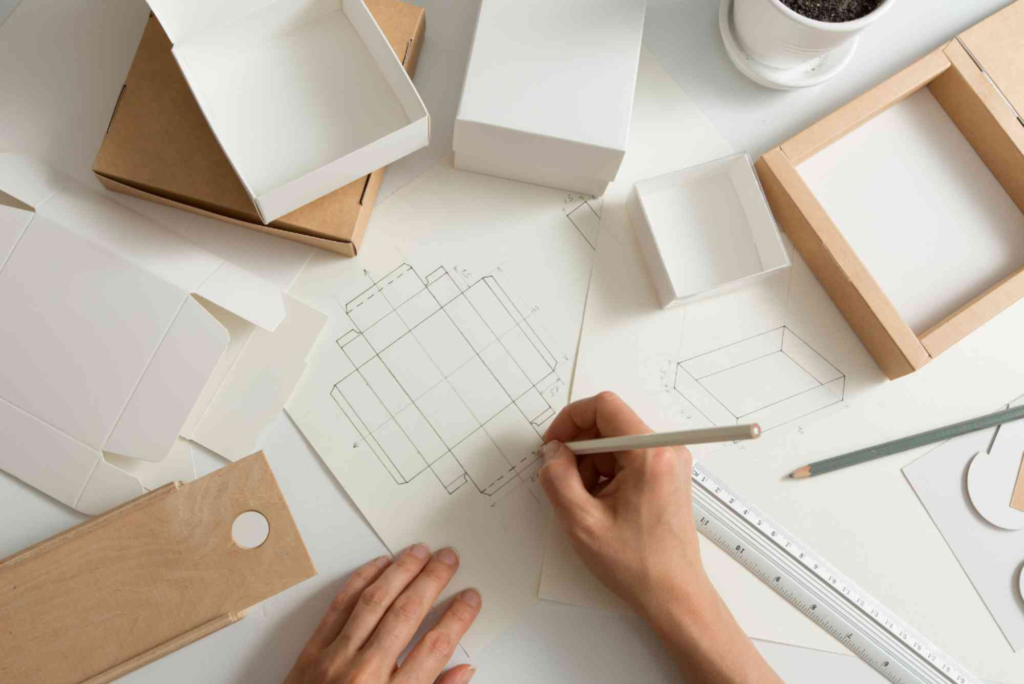
In today’s competitive marketplace, your product’s packaging is often the first interaction a customer has with your brand. It’s not just a container—it’s a silent salesperson. Understanding packaging design principles helps you create packaging that is attractive, functional, and emotionally engaging. When done right, packaging can increase shelf impact, improve customer loyalty, and drive higher sales.
This guide explores the most important packaging design principles, with real-world insights, practical tips, and proven strategies used by successful brands. Whether you’re launching a new product or refreshing your current look, mastering these principles will help your brand stand out.
Why Packaging Design Matters More Than Ever
Packaging influences up to 70% of purchasing decisions at the point of sale. Consumers often choose products within seconds, based purely on visual appeal and clarity.
Great packaging:
- Builds trust
- Communicates brand values
- Differentiates you from competitors
- Enhances the user experience
By following well-established packaging design principles, you ensure your product connects with customers on both a visual and emotional level.
Core Packaging Design Principles
Clarity and Simplicity
Make Your Message Instantly Understandable
Your packaging should clearly communicate:
- What the product is
- Who it’s for
- Why it’s better
Avoid clutter. A clean layout with a strong focal point ensures customers instantly “get it” without confusion.
Reduce Visual Noise
Too many fonts, colours, or graphics can overwhelm buyers. Simplicity improves recognition and memorability—two key goals of strong packaging design principles.
Visual Hierarchy
Guide the Eye Naturally
Use size, contrast, and placement to direct attention:
- Brand name
- Product name
- Key benefit
- Supporting details
This structure ensures shoppers quickly understand your product’s value.
Use Contrast Strategically
High contrast between text and background improves readability and draws focus to important elements.
Brand Consistency
Reflect Your Brand Identity
Your packaging must match your brand’s personality—luxury, eco-friendly, playful, or premium.
Use consistent:
- Colours
- Typography
- Logo placement
- Design tone
Consistency builds trust and recognition across all product lines.
Colour Psychology
Choose Colours with Purpose
Different colours evoke different emotions:
- Red: excitement, urgency
- Blue: trust, reliability
- Green: health, sustainability
- Black: luxury, sophistication
When applying packaging design principles, colour should support both brand identity and buyer psychology.
Typography Matters
Select Readable Fonts
Typography should be easy to read at a distance. Avoid overly decorative fonts for essential information.
Use Font Pairing Wisely
Limit your design to two or three font styles to maintain harmony and professionalism.
Material and Texture
Add a Tactile Experience
Texture can influence perception. Matte finishes feel premium, while glossy surfaces suggest freshness and modernity.
Sustainability is Key
Eco-friendly materials are no longer optional—they’re expected. Sustainable packaging builds trust and appeals to conscious consumers.
Functional Design
Protect and Preserve
Packaging must protect the product during storage, shipping, and handling.
Easy to Open and Reuse
User-friendly packaging enhances customer satisfaction and reduces frustration—an often-overlooked part of packaging design principles.
Storytelling Through Design
Create an Emotional Connection
Your packaging should tell a story—about your brand’s mission, values, or origin.
Use Imagery and Messaging
Subtle visuals and concise text can turn your product into a memorable experience.
Advanced Packaging Design Principles for Modern Brands
Shelf Impact
Stand Out at First Glance
Your packaging should be noticeable from a distance. Unique shapes, bold colours, and creative layouts improve shelf visibility.
Cultural Relevance
Design for Your Audience
Consider language, symbols, and local preferences. Cultural alignment builds trust and avoids misunderstandings.
Digital-Ready Packaging
Optimize for Social Media
Unboxing videos and Instagram photos are free marketing. Design packaging that looks great on camera.
Cost Efficiency Without Sacrificing Quality
Balance Design and Budget
Smart packaging design principles help reduce production costs while maintaining visual appeal.
Real-World Application: Custom Packaging
Many brands achieve success by investing in tailored packaging solutions. For example, using Custom Packaging allows businesses to design boxes that perfectly match their brand and product needs—boosting recognition and perceived value.
Practical Packaging Design Tips from Industry Experts
Professional designers often share valuable insights and trends. For more inspiration and expert advice, explore packaging design tips from leading creative platforms.
Where Great Packaging Starts
If you’re sourcing packaging solutions or want to explore local providers, you can find trusted services at Buddy Packaging Location—a helpful starting point for brands ready to elevate their packaging.
Common Mistakes to Avoid
- Overloading with information
- Ignoring target audience preferences
- Using poor-quality materials
- Inconsistent branding
- Hard-to-read fonts
Avoiding these mistakes ensures your packaging design principles work effectively.
FAQs
What are packaging design principles?
They are guidelines that help create visually appealing, functional, and brand-consistent packaging that attracts customers and protects the product.
Why is packaging design important?
It influences buying decisions, builds brand recognition, and enhances customer experience.
How does colour affect packaging design?
Colours trigger emotional responses and influence perception of quality and value.
What is the role of typography in packaging?
Typography ensures readability, communicates brand personality, and guides the customer’s attention.
How can packaging improve brand loyalty?
Great packaging creates positive first impressions, emotional connections, and memorable experiences.
Turn Packaging Into Your Strongest Marketing Tool
Mastering packaging design principles transforms your product from ordinary to irresistible. From clarity and colour to materials and storytelling, every design choice plays a role in shaping customer perception.