Introduction
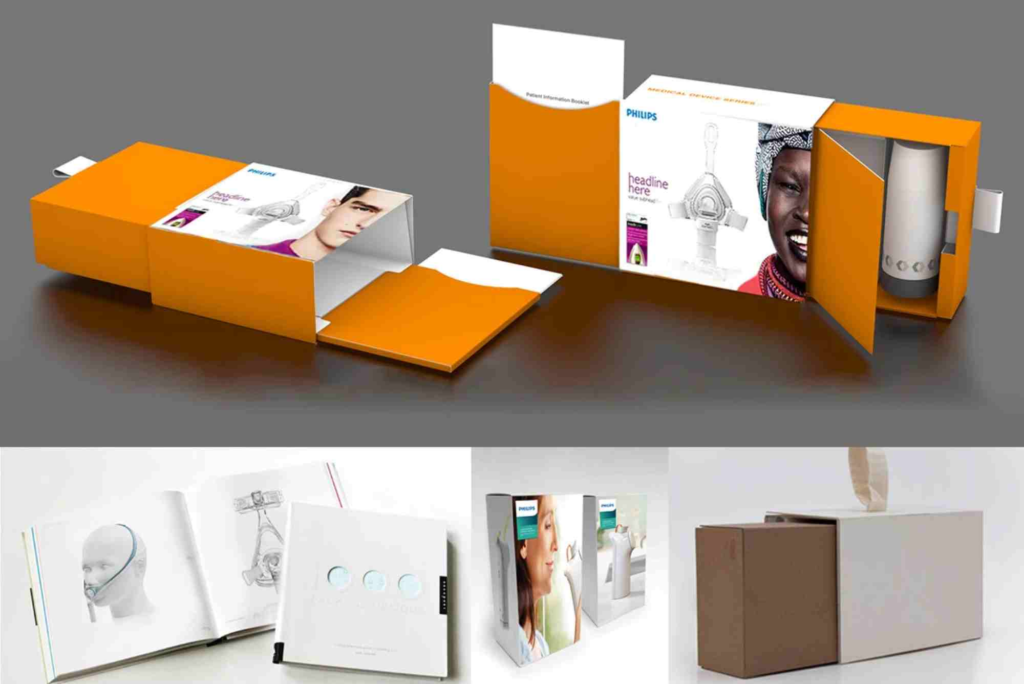
A well-curated packaging design portfolio is more than a collection of work. It is a reflection of your creativity, skill, and ability to communicate a brand’s story. Whether you are a freelance designer or part of a creative agency, your portfolio acts as your most persuasive tool. It helps potential clients and employers understand your style, versatility, and attention to detail.
In this article, we will explore how to create an impactful packaging design portfolio, highlight best practices, and share tips to showcase your work effectively.
Why a Packaging Design Portfolio Matters
Establishes Your Professional Identity
Your portfolio serves as a professional introduction. It communicates not just your design skills but also your understanding of branding, market trends, and user experience. A strong portfolio helps distinguish you from competitors.
Demonstrates Creativity and Problem-Solving
Packaging design is more than aesthetics. It requires problem-solving to balance functionality, sustainability, and brand messaging. Your portfolio should illustrate these abilities through real-world projects.
Attracts Clients and Employers
A curated collection of projects shows your capability and attracts high-quality clients. Businesses prefer designers who can demonstrate results, not just concepts.
Key Elements of an Effective Packaging Design Portfolio
Showcasing Variety
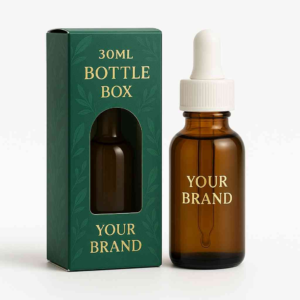
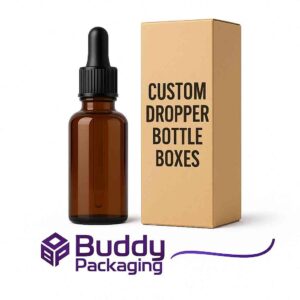
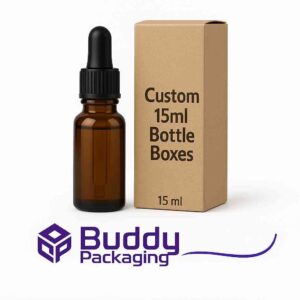
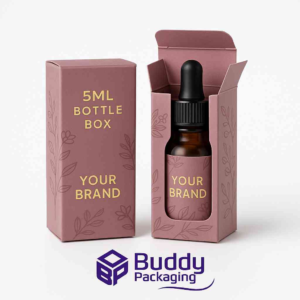
Include a mix of packaging types: boxes, labels, flexible packaging, and digital mockups. Diversity reflects adaptability and a broad skill set.
Highlighting the Process
Clients value designers who explain their thinking. Show sketches, prototypes, and iterations to demonstrate problem-solving and creativity.
Focusing on Branding
Every project should show how your design reinforces brand identity. Include details about typography, colour palettes, and logo integration.
High-Quality Visuals
Use professional photos or high-resolution mockups. Avoid low-quality images as they can undermine your credibility.
Concise Descriptions
Provide context for each project. Briefly explain the challenge, solution, and outcome in clear language. Keep descriptions concise but informative.
Best Practices for a Packaging Design Portfolio
Tailor to Your Audience
Know whether your portfolio is for clients, employers, or competitions. Adjust content and presentation to highlight relevant skills.
Keep Navigation Simple
Whether digital or physical, ensure easy navigation. Group projects logically and make it effortless to find information.
Use Storytelling
Tell a story with your portfolio. Show how each design solves a specific problem or enhances the customer experience.
Update Regularly
A portfolio is never finished. Add new projects, remove outdated ones, and refresh visuals to maintain relevance.
Tools and Platforms for Creating a Packaging Design Portfolio
Digital Platforms
Platforms like Behance, Dribbble, or Adobe Portfolio allow designers to reach a wide audience. They provide templates, easy upload options, and professional presentation.
PDF Portfolios
PDF portfolios are versatile and portable. They are suitable for client pitches or interviews where online access may be limited.
Physical Portfolios
While less common, physical portfolios offer a tactile experience, especially for packaging that involves textures or materials. Include printed samples if possible.
Tips for Highlighting Custom Packaging
When presenting custom packaging projects, emphasise innovation and functionality. Show how your design meets client objectives while engaging consumers. Discuss your approach to materials, sustainability, and print techniques. Share your learnings from each project to demonstrate expertise.
Integrating Print & Finishing Insights
Packaging often relies on print and finishing techniques to stand out. Share insights on embossing, foiling, varnishing, or die-cutting. Including these details signals a deep understanding of production processes and adds credibility.
Showcasing Location-Specific Work
Highlighting local projects can resonate with regional clients. Mentioning your design studio or service area, such as Buddy Packaging Location, can attract businesses seeking nearby designers. Local context can also showcase your adaptability to cultural or market-specific preferences.
Common Mistakes to Avoid
Overloading with Projects
Quality over quantity matters. Avoid overwhelming viewers with too many projects. Focus on your strongest, most relevant work.
Lack of Context
Images alone aren’t enough. Always provide background, objectives, and outcomes for clarity.
Ignoring Mobile Compatibility
Many clients browse on mobile devices. Ensure digital portfolios are responsive and easy to navigate on all screen sizes.
Outdated Designs
Remove old projects that no longer reflect your current style or capabilities. Fresh content keeps your portfolio relevant.
How to Structure a Packaging Design Portfolio
Homepage
Include a clean landing page with a clear value proposition. Highlight your most striking project as a showcase.
Project Pages
Each project should have its own page with visuals, descriptions, and process insights. Use headings and bullet points for readability.
About Section
Include a brief biography, your design philosophy, and contact details. print & finishing insights Mention tools, skills, or industry experience that set you apart.
Contact Page
Provide an easy way to reach you. Include email, phone, and social media links. A contact form can simplify inquiries.
Your packaging design portfolio should inspire potential clients to engage with you. Include a clear call to action at the end of your portfolio, encouraging viewers to request a quote, schedule a consultation, or view your full project collection.
buddypackaging.co.uk offers innovative and eco-friendly packaging solutions for businesses of all sizes. From custom boxes to sustainable materials, they help brands stand out while caring for the environment. Their expert team ensures high-quality, reliable, and stylish packaging that meets every need.
FAQ
What is a packaging design portfolio?
A packaging design portfolio is a curated collection of your packaging projects. It demonstrates creativity, branding skills, and problem-solving abilities.
How do I create an effective packaging design portfolio?
Focus on quality visuals, showcase your design process, include diverse project types, and provide clear context for each project.
How many projects should I include in a portfolio?
Include 8–12 of your strongest projects. Ensure they showcase a variety of skills without overwhelming the viewer.
Should I include client feedback in my portfolio?
Yes. Testimonials and client feedback add credibility and show that your designs achieve real-world results.
Can I make a digital and physical packaging portfolio?
Absolutely. Digital portfolios reach a wide audience, while physical portfolios allow for tactile experience, especially for innovative materials.
A strong packaging design portfolio is key to showcasing your skills, attracting clients, and advancing your design career. By curating diverse projects, explaining your process, and highlighting innovation, you demonstrate expertise and professionalism.
Invest time in updating your portfolio, integrating print & finishing insights, and showcasing location-specific projects like Buddy Packaging Location.
Start refining your portfolio today to make your designs stand out and attract opportunities that align with your creative vision.