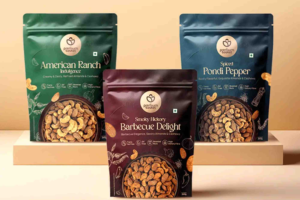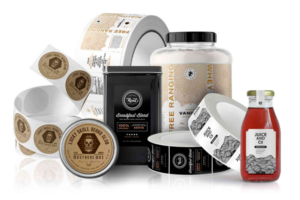
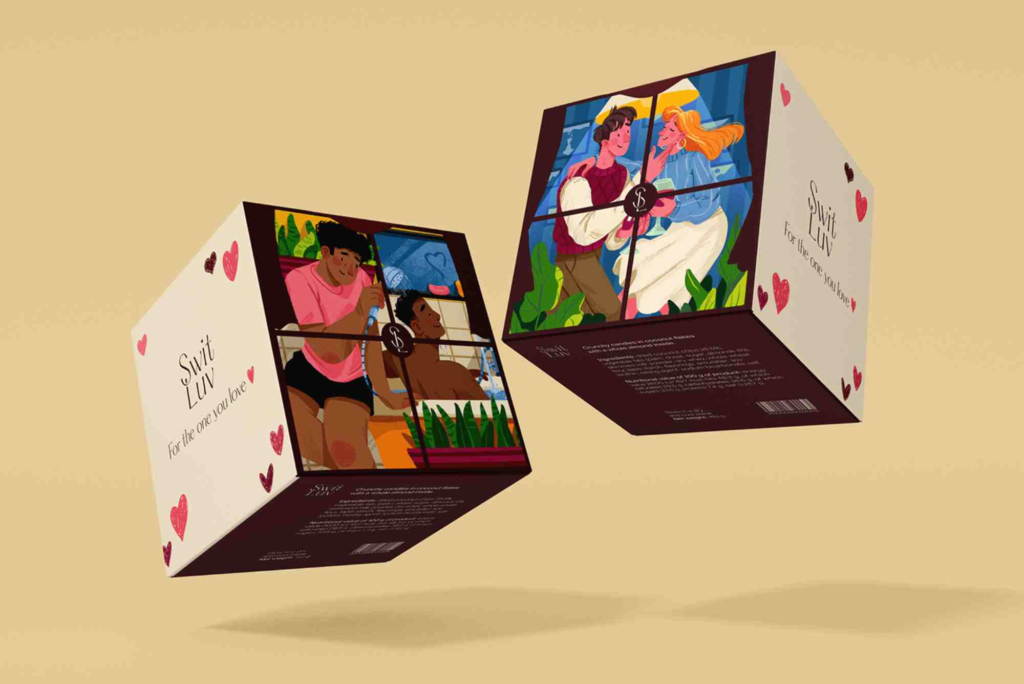
Packaging design on Illustrator has become an essential skill for modern designers and brand owners. Adobe Illustrator offers precision, scalability, and professional control that other tools cannot easily match. Whether you are designing retail boxes, food packaging, or luxury product labels, Illustrator gives you the flexibility to build print-ready designs with confidence. Many creative studios, including those near Orange Theory Mountain View, rely on Illustrator daily for packaging projects that demand accuracy and strong branding.
In this in-depth guide, you will learn how packaging design on Illustrator works, why professionals trust it, and how you can use it effectively. The article is written from real-world design experience, focusing on clarity, usability, and SEO best practices. If you want to create packaging that prints perfectly and looks premium, this guide will help you get there.
Understanding Packaging Design On Illustrator
Packaging design on Illustrator refers to creating structural layouts, artwork, and branding elements using Adobe Illustrator’s vector-based environment. Unlike raster software, Illustrator ensures designs remain sharp at any size. This is critical for packaging because print dimensions often change during production.
Designers prefer Illustrator because it supports dielines, CMYK color modes, and precise measurements. These features are essential when working with manufacturers. Illustrator also integrates well with printers and packaging suppliers, reducing costly errors during production.
From small startups to established brands, Illustrator remains the industry standard. Its reliability and professional output make it ideal for commercial packaging projects.
Why Illustrator Is the Industry Standard for Packaging
Illustrator stands out because it was built for print design. Packaging design on Illustrator allows designers to work with exact dimensions and scalable graphics. This ensures logos, text, and patterns remain crisp on every package size.
Another reason professionals rely on Illustrator is its layer control. Designers can separate dielines, artwork, and notes into organized layers. This structure helps both designers and printers understand the file easily. It also reduces confusion during revisions.
Color accuracy is another major advantage. Illustrator supports CMYK, Pantone, and spot colors. These color systems are crucial for maintaining brand consistency across different packaging runs.
Setting Up Your Packaging File Correctly
Before starting any packaging design on Illustrator, proper file setup is essential. Designers usually begin by setting the document size according to the packaging dimensions. This includes bleed areas to avoid white edges after cutting.
Working in CMYK color mode ensures accurate print results. Using RGB can cause unexpected color shifts during printing. Professionals also set up guides to align artwork precisely within the packaging layout.
Dielines play a critical role in packaging design. These lines indicate where the package will be cut and folded. Keeping dielines on a locked layer prevents accidental edits and maintains production accuracy.
Designing Dielines and Structural Layouts
Dielines form the foundation of packaging design on Illustrator. They represent the flat layout of a three-dimensional package. Designers either create dielines manually or receive them from packaging manufacturers.
Accuracy is vital when working with dielines. Even a small mistake can affect how the package folds. Illustrator’s pen tool and shape tools help designers create clean and precise lines.
Using spot colors for dielines is a common professional practice. This ensures printers can easily identify cutting and folding areas without confusion.
Branding and Visual Hierarchy in Packaging Design
Effective packaging design on Illustrator goes beyond technical accuracy. Strong branding and visual hierarchy determine how customers perceive a product. Illustrator allows designers to control typography, spacing, and imagery with precision.
Designers often start with the brand logo placement. This is followed by product name, key benefits, and regulatory information. Illustrator’s text tools make it easy to adjust kerning, tracking, and alignment for a polished look.
Color psychology also plays an important role. Illustrator helps designers test different color palettes quickly. This flexibility supports informed design decisions based on brand identity and target audience.
Typography and Readability for Printed Packaging
Typography is critical in packaging design on Illustrator because packaging must communicate quickly. Consumers often glance at packaging for only a few seconds. Clear and readable text improves product appeal and trust.
Illustrator supports both outlined and editable text. Designers usually outline fonts before sending files to print. This prevents font substitution issues during production.
Line spacing, font size, and contrast should always be tested at actual print scale. Illustrator allows designers to zoom and preview designs accurately, reducing readability issues later.
Image Handling and Vector Graphics
Packaging design on Illustrator benefits greatly from vector graphics. Vectors scale infinitely without losing quality. This is ideal for logos, icons, and patterns used on packaging.
When using images, designers should ensure high resolution and proper color profiles. Illustrator supports linked images, keeping file sizes manageable. This also allows easy updates if image revisions are needed.
Using clipping masks and opacity effects carefully ensures images blend well with the overall design. Illustrator offers advanced tools to refine visual details without compromising print quality.
Preparing Files for Print Production
One of the most important stages in packaging design on Illustrator is print preparation. Designers must ensure all elements meet printer requirements. This includes correct bleed settings, outlined fonts, and embedded images.
Packaging files often include notes for printers. Illustrator allows designers to add non-printing layers with instructions. This improves communication and reduces production errors.
Exporting files in PDF or AI format is standard practice. Designers should always check printer specifications before exporting final files.
Common Mistakes to Avoid in Packaging Design
Even experienced designers can make mistakes in packaging design on Illustrator. One common issue is ignoring bleed areas. This can lead to unwanted white edges after trimming.
Another mistake is using low-contrast colors for text. What looks good on screen may not print well. Designers should always test color contrast under print conditions.
Overcrowding the design is also a frequent problem. Clean layouts with enough white space usually perform better. Illustrator makes it easy to refine layouts and remove unnecessary elements.
Real-World Use of Illustrator in Commercial Packaging
In professional environments, packaging design on Illustrator is rarely a solo task. Designers often collaborate with marketing teams and manufacturers. Illustrator’s compatibility with other Adobe tools supports smooth workflows.
Many businesses offering Custom Packaging rely on Illustrator to deliver consistent branding across product lines. This ensures packaging aligns with marketing goals and customer expectations.
Studios also reference trusted packaging design tips during projects to stay updated with industry trends. Illustrator remains adaptable to evolving design standards and consumer preferences.
Local Branding and Packaging Design Presence
Location-based branding has become increasingly important. Packaging design on Illustrator supports localized elements such as regional symbols or language variations. This is especially useful for businesses operating in specific areas.
For example, brands working near Buddy Packaging Location often adapt packaging designs to match local market preferences. Illustrator’s flexibility makes such adaptations efficient and cost-effective.
Localized packaging strengthens brand connection and improves customer trust. Illustrator enables designers to manage these variations without rebuilding designs from scratch.
SEO and Marketing Benefits of Strong Packaging Design
Packaging design on Illustrator indirectly supports digital marketing efforts. Well-designed packaging enhances brand recognition, which improves online search behavior. Customers are more likely to search for brands they recognize visually.
Consistent packaging also improves product photography and social media presence. Illustrator ensures designs look sharp both in print and digital images.
Strong packaging design builds credibility, which supports long-term brand growth. Illustrator plays a key role in maintaining that consistency.
FAQs About Packaging Design On Illustrator
What is packaging design on Illustrator used for?
Packaging design on Illustrator is used to create print-ready packaging artwork. Designers use it to build layouts, branding elements, and dielines with precision. Illustrator ensures designs remain sharp and accurate during production.
Is Illustrator better than Photoshop for packaging design?
Illustrator is better for packaging design because it uses vector graphics. This allows unlimited scaling without quality loss. Photoshop is more suitable for photo editing, not structural packaging layouts.
How do I create a dieline in Illustrator?
Designers create dielines using Illustrator’s pen and shape tools. Dielines are drawn to exact measurements and placed on separate layers. Many designers receive dielines directly from packaging manufacturers.
What file format should I use for packaging printing?
Most printers prefer AI or PDF formats. These formats preserve vector data and print settings. Designers should always confirm specifications with the printer before exporting files.
Can beginners learn packaging design on Illustrator?
Yes, beginners can learn packaging design on Illustrator with practice. Starting with simple box layouts and understanding print basics helps build confidence. Over time, skills improve with real-world projects.
Mastering Packaging Design On Illustrator
Packaging design on Illustrator is a powerful skill that combines creativity with technical precision. Illustrator gives designers complete control over layout, color, typography, and print accuracy. From dielines to final exports, it supports every stage of the packaging process.
By understanding professional workflows and avoiding common mistakes, designers can produce packaging that looks premium and prints flawlessly. Strong packaging builds brand trust and improves customer experience.