Packaging Design New Zealand Complete Guide to Modern Branding, Trends, and Consumer Appeal
Packaging design New Zealand has become one of the most influential elements in modern branding, especially as Kiwi businesses look for ways to stand out in competitive markets. From small artisan brands to established household names, packaging is no longer just a protective shell; it is a vital storytelling tool that shapes consumer perception. As sustainability, innovation, and digital influence continue to evolve, New Zealand brands are now embracing design strategies that combine visual appeal with environmental responsibility. This guide explores everything from emerging trends and materials to branding psychology and production practices, offering clear insights for businesses looking to elevate their packaging strategy.
Understanding the Importance of Packaging Design in New Zealand
The rise of e-commerce, increased export activity, and stronger consumer expectations have transformed packaging design New Zealand into a strategic necessity. New Zealand brands thrive on identity, authenticity, and a connection to nature, which must be reflected in every design element. Brands now recognise that effective packaging not only influences buying decisions but also strengthens long-term loyalty. Whether a product appears on a supermarket shelf, a boutique display, or an online listing, its packaging must communicate its purpose instantly. Because consumers now make buying decisions within seconds, packaging has become a powerful tool for storytelling, differentiation, and trust. This is especially true in sectors like food, skincare, supplements, beverages, and artisanal crafts, where values such as sustainability and purity play a major role.
Key Trends Shaping Packaging Design New Zealand
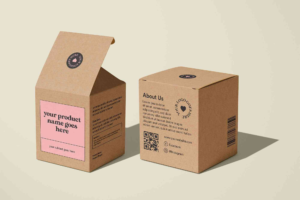
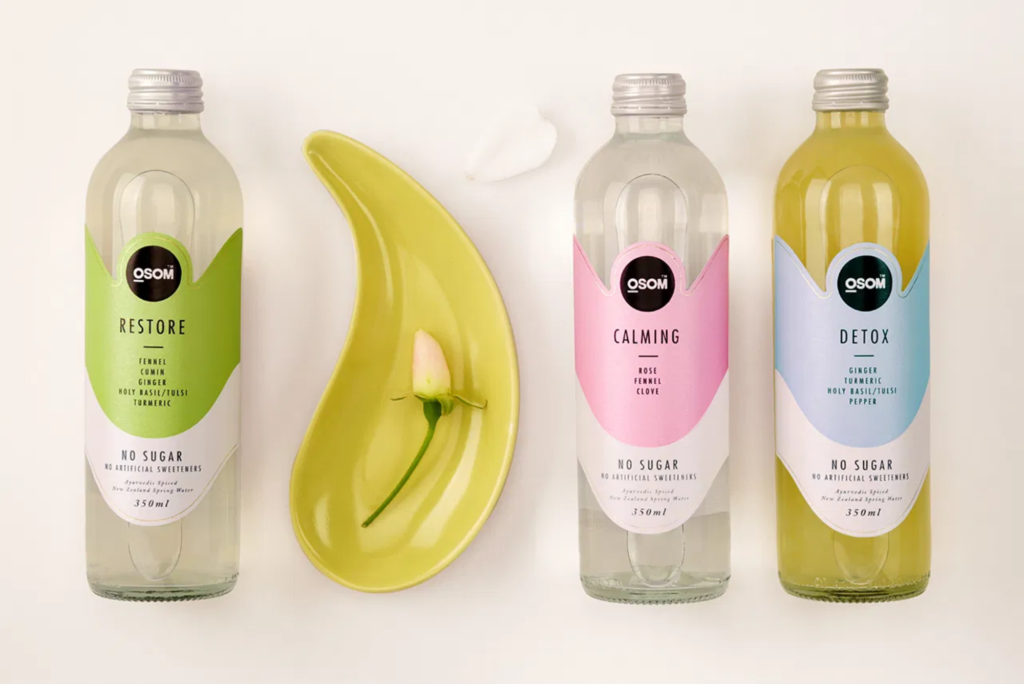
New Zealand’s design landscape follows a mix of global trends and local cultural values. Sustainability continues to define nearly every aspect of design, from material selection to minimalist aesthetics. Brands are shifting from traditional plastics to recyclable or compostable alternatives, ensuring packaging is responsible without sacrificing durability. Many businesses also adopt storytelling as part of their design process, incorporating elements like Māori motifs, local geography, and community heritage. Custom Packaging This approach allows brands to stay grounded while appealing to both domestic and international audiences. Colour psychology is also increasingly popular, with New Zealand brands using earth tones, ocean blues, and botanical greens to reflect purity and environmental harmony. Bold typography, clean layouts, and tactile materials further enhance the modern aesthetic. In addition, smart labelling technologies such as QR codes and augmented reality features are becoming more common, allowing brands to share deeper information without cluttering the design.
Sustainability as the Foundation of Modern Packaging
Eco-friendly packaging is no longer optional. The government, retailers, and consumers in New Zealand strongly encourage responsible production, driving brands to adopt greener solutions. Many businesses now explore natural inks, recycled cardboard, compostable films, and plant-based plastics. New Zealand’s strong agricultural and horticultural sectors have also led to innovative materials derived from organic waste streams. Minimalist packaging is another growing practice, helping reduce waste while enhancing the premium appearance of the product. Transparency in material sourcing creates trust, especially for brands exporting goods internationally. Clear labelling such as “recyclable,” “home-compostable,” or “eco-friendly inks” further reassures environmentally conscious buyers. The success of sustainable packaging in New Zealand shows that good design can be both responsible and visually appealing without compromising on strength or function.
How Branding Influences Packaging Design
Brand identity plays a crucial role in packaging design New Zealand. As Kiwi consumers increasingly appreciate authenticity, brands must present designs that align with their values. Every detail, from colour and shape to texture and typography, must reflect the brand’s personality. For example, premium skincare products may use frosted finishes, embossed lettering, or refined minimalist layouts to highlight elegance and purity. Artisan food products often feature warm organic tones and hand-drawn illustrations to communicate craftsmanship. Beverage brands, especially craft beer and wine, experiment with bold creativity, telling stories through custom artwork and regional inspiration. Consistency across all packaging formats ensures that customers recognise the brand instantly, which is especially important for brands growing in online marketplaces. Strategic brand alignment also strengthens shelf presence, making products stand out without relying on overly complex graphics.
Material Choices and Production Methods in New Zealand
New Zealand brands rely on both local and international suppliers to ensure quality, sustainability, and affordability. Corrugated cardboard, kraft paper, glass, aluminium, and recyclable plastics remain common, but innovation continues to expand material choices. Many New Zealand companies that require more tailored packaging turn to partners offering to achieve the right balance of structure, branding, and protection. The production process also involves close attention to print quality. High-resolution digital printing, offset printing, and speciality finishes such as foil, UV gloss, embossing, and spot varnish help elevate packaging aesthetics. Brands looking to enhance performance or longevity explore advanced coating technologies that resist moisture or UV exposure. For professional guidance on colour management, substrates, or finishing methods, businesses often refer to industry resources such as to stay informed about the latest advancements.
The Role of Consumer Psychology in Packaging Design
Packaging design New Zealand is deeply influenced by how consumers think and feel while shopping. Visual hierarchy helps guide attention, ensuring the most important information stands out. Clear product names, simple descriptions, and striking visuals improve decision-making and reduce confusion. Packaging also triggers emotional responses. Natural textures inspire trust, bright colours evoke energy and freshness, and minimalist designs suggest purity. When combined with brand storytelling, these cues help create unforgettable experiences. Consumers also respond strongly to usability features. Easy-open seals, resealable closures, portion-control formats, and compact lightweight structures all play a role in satisfaction and repeat purchasing. As online shopping grows, packaging must perform well both on screen and during delivery, balancing beauty with durability.
Packaging Design for the Export Market
New Zealand exports a large range of products, so packaging must appeal to global consumers while protecting items during long transit routes. Export packaging requires stronger materials, multiple layers of protection, and clearer regulatory labelling. Many international markets prioritise sustainability, making eco-friendly packaging an advantage for New Zealand exporters. Cultural sensitivity also matters. Designs may need translation, metric conversions, or modified graphics to align with overseas preferences. For example, Asian markets often prefer vibrant colours and symbolic imagery, while European markets value minimalism and environmental credentials. Export success often depends on packaging that blends local identity with global appeal.
How Digital Technology Is Transforming Packaging in New Zealand
Digital design tools enable faster prototyping, clearer communication, and improved accuracy. Designers use 3D modelling to visualise packaging well before production begins. This reduces waste and speeds up development. Digital printing allows short runs, ideal for seasonal promotions, new product testing, or limited-edition releases. QR codes and near-field communication chips extend packaging beyond the physical world, offering interactive content such as tutorials, brand stories, or authenticity verification. These digital features enhance consumer engagement and elevate perceived value. As global e-commerce continues expanding, New Zealand brands must ensure packaging remains visually appealing across multiple digital platforms, including websites, social media, and marketplace listings.
Common Mistakes to Avoid in Packaging Design New Zealand
One of the biggest mistakes is overcomplicating design with too many colours, fonts, or patterns. Cluttered packaging confuses buyers and dilutes brand identity. Another common issue is choosing aesthetics over function. Packaging must protect the product and comply with shipping standards. Ignoring sustainability expectations can also hurt brand reputation, particularly among younger consumers who prefer eco-friendly choices. Poor print quality or inconsistent branding across product lines weakens trust and professional appearance. Brands should also avoid misleading visuals or unclear labelling, as transparency is essential for long-term customer loyalty.
Creating a Strong Packaging Strategy in New Zealand
Developing effective packaging requires a mix of creativity, research, and technical understanding. Brands should start by defining their target audience and determining what their customers value most. This could include sustainability, luxury, convenience, or cultural storytelling. Next, research competitors to understand what works and what gaps exist. Testing prototypes with real users can reveal practical improvements. Collaboration between designers, manufacturers, marketers, and logistics teams ensures packaging performs well at every stage. Because packaging is often the first physical touchpoint between brand and consumer, investing in high-quality design is crucial for long-term growth.
Elevate Your Brand with Effective Packaging Design
Packaging design New Zealand continues to evolve with sustainability, innovation, and brand authenticity at its core. Whether you run a small local business or an international export brand, your packaging is one of the most powerful tools for capturing attention, building trust, and inspiring loyalty. print & finishing insights If you want to create packaging that reflects your vision while standing out in a crowded market, now is the perfect time to take the next step. Explore tailored solutions through industry experts and partners who understand what Kiwi brands need to succeed.
Frequently Asked Questions
What makes packaging design in New Zealand unique
New Zealand packaging design combines sustainability, natural inspiration, and strong cultural storytelling, making products feel authentic and environmentally responsible.
Why is sustainable packaging so important in New Zealand
Consumers and retailers expect brands to minimise waste, use recyclable materials, and reduce environmental impact, making sustainability essential for market acceptance.
How much does packaging design cost in New Zealand
Costs vary depending on materials, print methods, complexity, and order size. Custom design typically ranges from affordable small runs to premium bespoke solutions.
What materials are most popular for packaging in New Zealand
Kraft paper, recycled cardboard, glass, aluminium, and plant-based plastics are common choices due to their sustainability and durability.
How can I make my product stand out with packaging
Clear branding, strong colour choices, quality finishes, and authentic storytelling help your packaging capture attention and build trust.