Packaging Design Mockup: A Complete Guide for Modern Brands
A packaging design mockup is more than just a visual preview of a box, label, or container. It is a strategic branding tool that allows businesses to see, test, and refine how their product packaging will look and feel before it goes into production. In today’s competitive market, where first impressions heavily influence buying decisions, a professional packaging design mockup can be the difference between a product that blends in and one that stands out on the shelf.
Whether you are launching a new product, rebranding an existing one, or pitching ideas to stakeholders, understanding how to use a packaging design mockup effectively can save time, reduce costs, and strengthen brand identity. This guide explores the concept in depth, explaining why it matters, how professionals use it, and how you can apply it to your own packaging strategy.
Understanding What a Packaging Design Mockup Really Is
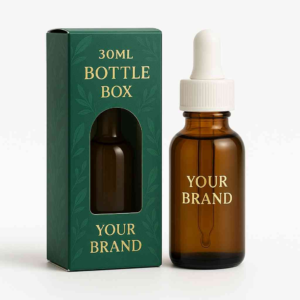
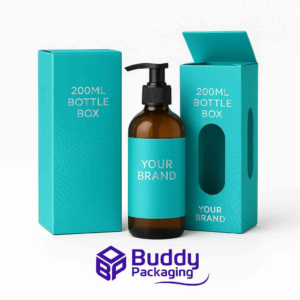
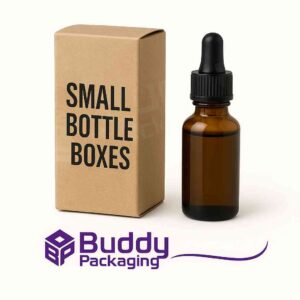
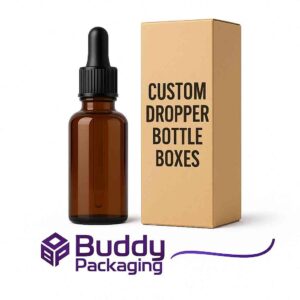
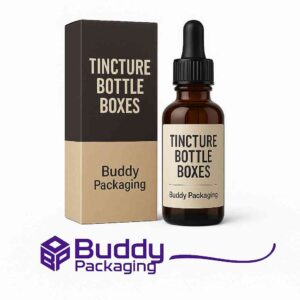
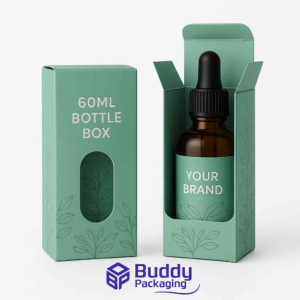
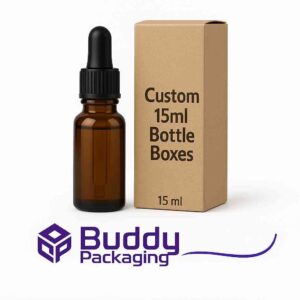
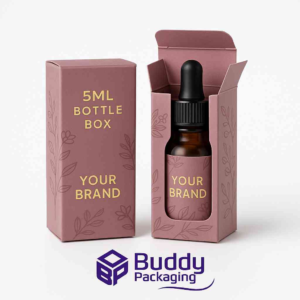
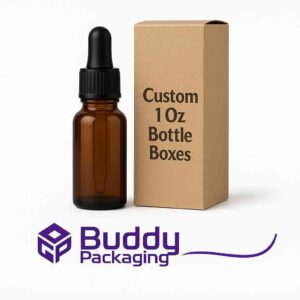
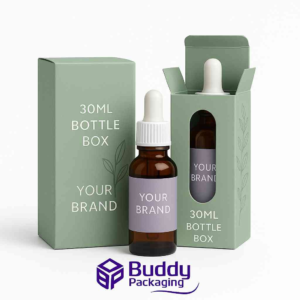
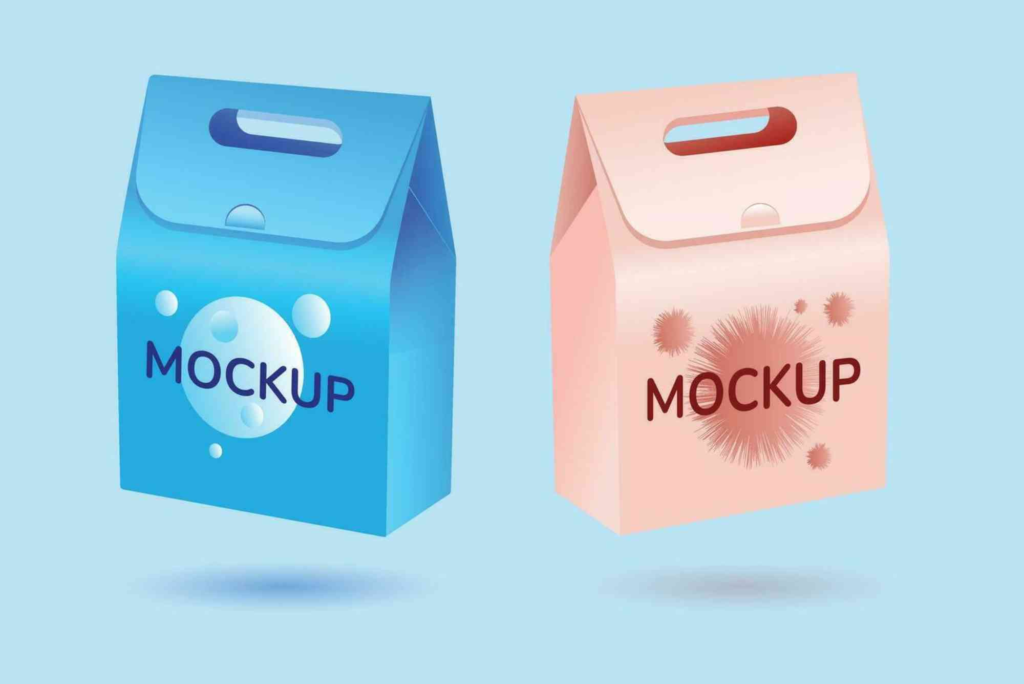
A packaging design mockup is a realistic visual representation of packaging created before mass production. It shows how graphics, colours, typography, materials, and structure will appear in real life. Unlike flat designs, mockups simulate depth, lighting, texture, and perspective, helping brands visualize the final product with accuracy.
In real-world packaging workflows, mockups are used by designers, marketers, manufacturers, and brand owners to align expectations. They help answer practical questions such as whether text is readable, whether colours look consistent across surfaces, and whether branding elements are placed correctly.
From experience in packaging projects, one of the most valuable aspects of a packaging design mockup is how quickly it reveals design flaws that might not be obvious on a flat screen. Small alignment issues, overcrowded text, or poor contrast often become clear only when viewed in a realistic mockup.
Why a Packaging Design Mockup Is Essential for Branding
Packaging is often the first physical interaction a customer has with a brand. A strong packaging design mockup ensures that this interaction communicates trust, quality, and consistency. It allows brands to test emotional appeal before committing to print or production.
When packaging is designed without mockups, brands risk costly revisions later. Mockups reduce this risk by providing a near-final preview that can be reviewed internally or shared with clients and suppliers. This process improves decision-making and speeds up approvals.
For businesses investing in Custom Packaging, mockups are especially important because custom solutions often involve unique shapes, finishes, and materials. Seeing these elements together in a mockup helps confirm that the design aligns with brand goals and practical requirements.
How Packaging Design Mockups Improve the Design Process
A packaging design mockup bridges the gap between creativity and practicality. Designers use mockups to ensure that their concepts work not just visually but also structurally. For example, a logo that looks perfect on a flat design may appear distorted when wrapped around a box or bottle.
Mockups also improve collaboration. Marketing teams can evaluate whether messaging is clear, while production teams can identify potential manufacturing challenges. This shared understanding reduces miscommunication and leads to smoother project execution.
From a professional standpoint, mockups often serve as the final checkpoint before production. They allow brands to make confident decisions, knowing that what they see is close to what customers will receive.
Types of Packaging Design Mockups Used in Practice
Packaging design mockups vary depending on the product and purpose. Some are digital-only, created using design software to simulate realism. Others include physical prototypes made from sample materials.
Digital packaging design mockups are widely used because they are fast, flexible, and cost-effective. Designers can quickly test multiple colourways, layouts, or branding directions without additional production costs. These mockups are ideal for presentations, online previews, and internal reviews.
Physical mockups, on the other hand, offer a tactile experience. They help brands evaluate size, weight, opening mechanisms, and overall usability. In many professional packaging projects, digital mockups are used first, followed by physical samples once the design is finalized.
The Role of Packaging Design Mockups in Marketing and E-Commerce
In modern marketing, visuals play a critical role in attracting attention. A high-quality packaging design mockup can be used across websites, social media, product listings, and promotional materials. It allows brands to showcase packaging before the product is even manufactured.
For e-commerce, packaging mockups help customers visualize what they will receive. Clean, realistic images build trust and improve conversion rates. Many successful online brands rely heavily on packaging design mockups to maintain a polished and professional appearance.
Mockups also support advertising campaigns. They make it possible to create lifestyle visuals or promotional graphics without organizing costly photo shoots. This flexibility is especially useful for startups and small businesses working with limited budgets.
Common Mistakes to Avoid When Creating a Packaging Design Mockup
One common mistake is focusing only on aesthetics while ignoring functionality. A packaging design mockup should reflect real dimensions, folds, and material behavior. Unrealistic mockups can lead to disappointment when the final product is produced.
Another issue is overloading the design with information. Mockups often reveal when packaging feels cluttered or overwhelming. Clear hierarchy and spacing are essential for readability and brand clarity.
Ignoring print limitations is another frequent problem. Colours may appear vibrant on screen but look different when printed. Experienced designers use mockups to anticipate these differences and adjust designs accordingly, following proven packaging design tips from industry resources.
How to Evaluate a High-Quality Packaging Design Mockup
A strong packaging design mockup should look realistic and purposeful. Lighting, shadows, and textures should feel natural, not artificial. The mockup should accurately represent materials, whether matte, glossy, or textured.
Clarity is another key factor. Branding elements should be easy to identify, and text should remain readable from a practical viewing distance. The mockup should also align with the brand’s personality, whether minimal, premium, playful, or bold.
Professionally, mockups are often reviewed in context. Designers may place them in retail environments, shipping scenarios, or lifestyle settings to see how they perform visually in real-life situations.
Packaging Design Mockups and Brand Consistency
Consistency is critical for building brand recognition. A packaging design mockup allows brands to test whether their packaging aligns with existing brand assets such as logos, colour palettes, and typography.
When working with multiple product variations, mockups help ensure visual harmony across the range. They make it easier to standardize layout while still allowing room for differentiation.
Brands that operate across regions or product lines often rely on mockups to maintain consistency while adapting designs for local requirements. This balance is difficult to achieve without realistic previews.
Real-World Value for Businesses and Startups
For startups, a packaging design mockup can be a powerful pitching tool. It helps communicate the product vision to investors, partners, and retailers. A well-crafted mockup shows professionalism and readiness for market entry.
For established businesses, mockups support innovation. They make it easier to test new ideas, seasonal designs, or limited editions without disrupting existing production lines.
Businesses working with professional packaging suppliers often use mockups to align expectations. Visiting or coordinating with suppliers, such as those near the Buddy Packaging Location, becomes more efficient when everyone is reviewing the same visual reference.
FAQs
What is the purpose of a packaging design mockup?
The main purpose of a packaging design mockup is to visualize how packaging will look and function before production. It helps identify design issues, align stakeholders, and reduce costly revisions.
How is a packaging design mockup different from a final design?
A final design is the approved artwork ready for printing or manufacturing. A packaging design mockup is a realistic preview that shows how that design will appear on an actual package.
Are packaging design mockups necessary for small businesses?
Yes, packaging design mockups are valuable for businesses of all sizes. They help small businesses avoid mistakes, present ideas professionally, and compete visually with larger brands.
Can packaging design mockups be used for marketing?
Absolutely. Packaging design mockups are commonly used in marketing materials, online stores, and social media to showcase products before or alongside production.
Do packaging design mockups affect production costs?
Indirectly, yes. By identifying issues early, mockups help reduce production errors and reprints, which can significantly lower overall costs.
Why Investing in a Packaging Design Mockup Matters
A packaging design mockup is not just a design step; it is a strategic investment in brand success. It improves clarity, enhances collaboration, and ensures that packaging communicates the right message to customers. From branding and marketing to production and sales, mockups play a vital role at every stage of the packaging journey.