Packaging Design Medicine: A Complete Guide for Safe, Modern and User-Focused Medical Packaging
Packaging design medicine plays a vital role in how healthcare products are understood, stored and used. Good packaging does much more than protect tablets and syrups. It guides patients, prevents misuse, supports branding and meets strict regulatory standards. For brands in the medical and pharmaceutical field, high-quality packaging design is not optional. It is essential.
Understanding the Importance of Packaging Design Medicine
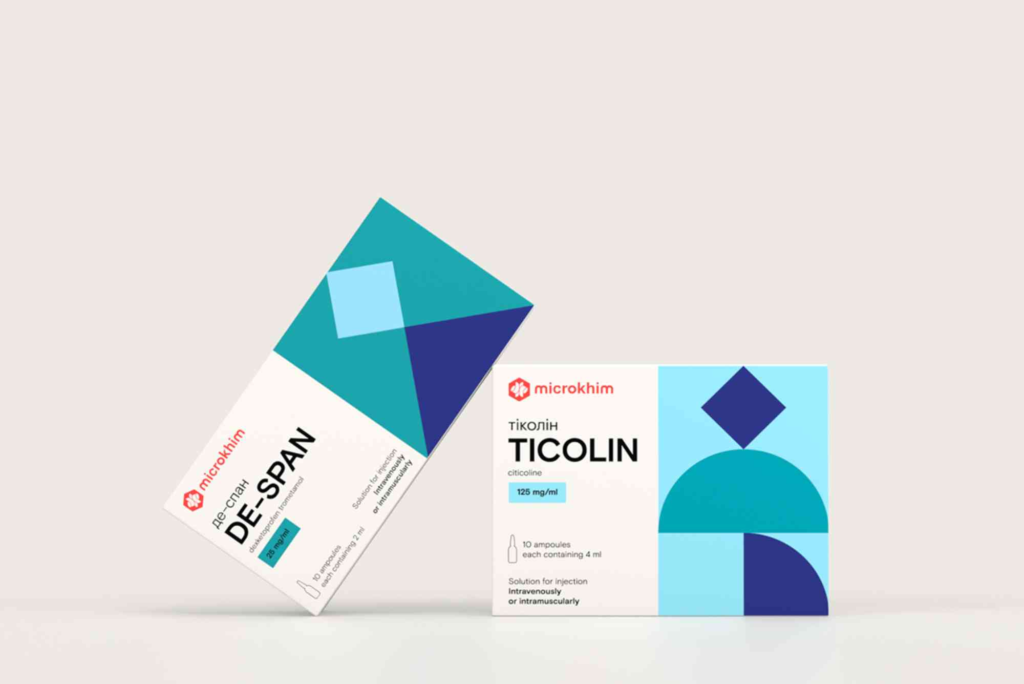
When patients receive a medicine, their first interaction is not with the product inside. It is with the packaging. This means packaging design medicine holds real weight in shaping trust, clarity and patient compliance. A well-designed box or bottle can reduce dosage errors, prevent contamination and improve accessibility for elderly or disabled users. It also helps maintain brand integrity in a competitive market.
Medicines are not ordinary consumer products. Because of this, packaging designers face strict legal, safety and communication responsibilities. Every word, colour choice and structural element must support patient safety and regulatory compliance.
Key Principles of Effective Packaging Design Medicine
Effective packaging design medicine is grounded in specific principles that aim to prioritise safety, clarity and usability. When these principles work together, they create packaging that patients trust and professionals rely on.
Clarity and Readability
Patients often face confusion when reading medicine labels. Clear text, logical hierarchy and simple language are essential. Users must immediately understand dosage instructions, warnings and shelf life. Readability becomes even more important for elderly patients or those with limited medical knowledge.
Safety and Protection
Packaging design medicine must protect the product from contamination, moisture and damage. Tamper-evident seals are essential. The packaging should also prevent accidental access by children, which is why child-resistant closures are widely used for liquid medicines and tablets.
Compliance with Regulations
Pharmaceutical packaging must follow strict standards set by health authorities. Designers must place required information in visible areas while ensuring the packaging remains functional and aesthetically balanced. Regulatory compliance affects material choice, typography size and placement of legally required symbols.
User-Centred Design
User-centred packaging supports accessibility for patients with disabilities. Larger font sizes, tactile cues, colour coding and intuitive opening mechanisms help patients with vision or motor impairments. When packaging is easy to open and understand, patients are more likely to follow directions correctly.
Strong Brand Identity
Even in the medical sector, brand recognition matters. Visual identity helps companies build trust and loyalty. Consistent colours, professional graphics and thoughtful layout ensure the packaging stands out while remaining compliant.
Elements That Make Packaging Design Medicine Effective
Several elements must work together to create high-performing pharmaceutical packaging. These elements include structure, materials, layout and communication cues.
Material Quality and Durability
Pharmaceutical products require specific materials that maintain product stability. Foil, blister packs, PET bottles and high-barrier laminates are commonly used to block oxygen, moisture and UV light. Sustainable materials are also gaining popularity as brands work to reduce environmental impact.
Structural Design and Functionality
The structural design determines usability. Blister packs must release tablets easily while protecting them. Bottles must pour without leakage. Syrup caps must measure doses accurately. Structural elements should simplify medical routines rather than complicate them.
Information Architecture
Information architecture refers to how text is arranged. Headings, dosage tables and QR codes must be arranged logically. Many brands now add scannable digital leaflets that contain extended instructions, side effects and multilingual support.
Colour and Visual Cues
Colour coding is one of the most powerful tools in packaging design medicine. Different colours signal different strengths or formulations, helping users avoid errors. Designers must use colour responsibly because colourblind users may struggle with certain combinations.
Branding and Emotional Trust
Professional design builds patient trust. Clean layouts, premium materials and consistent design elements communicate reliability. Strong brand presence reassures consumers that they are receiving authentic, safe and high-quality medicine.
Modern Trends in Packaging Design Medicine
Pharmaceutical packaging is evolving rapidly. New technologies and design trends are shaping how companies communicate with patients.
Digital Health Integration
Many brands now add QR codes linked to digital leaflets, dosage reminders or instructional videos. This increases patient engagement and reduces confusion. Digital add-ons also allow real-time updates without reprinting the entire package.
Eco-Friendly Materials
Sustainability has become a major priority. Biodegradable plastics, recyclable cardboard and minimalistic designs reduce waste. Environmentally friendly materials help brands meet modern expectations without compromising safety.
Minimalist and Clean Designs
Modern packaging design medicine uses fewer visual distractions and more emphasis on clarity. Minimalism helps highlight critical instructions and ensures that patients focus on what matters most.
Custom Packaging Solutions
Brands aiming for differentiation often invest in Custom Packaging to match product requirements, improve usability and strengthen brand visibility.
Global Design Inspiration
Businesses often review packaging design inspiration to explore trends from top designers. This helps them create packaging that is functional yet visually compelling.
Challenges in Packaging Design Medicine
Designers face several challenges when developing effective pharmaceutical packaging. These challenges often require careful balancing between creativity, regulation and usability.
Balancing Compliance and Creativity
Designers must include large amounts of information while maintaining an appealing layout. This can make packaging appear dense or cluttered if not managed carefully.
Ensuring Accessibility for All Users
Patients have different reading abilities, medical knowledge and physical strengths. Designing packaging that works for everyone can be challenging, especially in small-format packages.
Maintaining Product Integrity
Medicines require specific storage conditions. Choosing the wrong material may reduce shelf life or alter chemical stability.
Counterfeit Prevention
Counterfeit medicines are a global issue. Packaging must include security features such as holograms, barcodes or tamper-proof seals. These features protect consumers and maintain brand reputation.
How to Improve Packaging Design Medicine in Your Brand
Companies looking to improve packaging should follow a structured approach that blends research, design and compliance.
Conduct Patient-Centred Research
Interview real patients and pharmacists to understand their needs. Research reveals usability issues, confusion points and unmet needs that designers can address.
Work With Experienced Packaging Designers
Pharmaceutical packaging is not an area for guesswork. Collaborating with professionals ensures that your packaging meets industry standards and enhances user experience.
Test Designs Before Launch
Prototype testing helps identify design flaws early. Usability testing with real patients ensures packaging is safe and intuitive.
Invest in Supply Chain Efficiency
Efficient packaging speeds up production, reduces cost and improves delivery times. When materials, structure and printing methods are aligned, brands save resources and deliver better results.
Real-World Example: Business Locations and Local Services
If you are looking for professional packaging support, you can view Buddy Packaging Location to explore services available near you.
Why Packaging Design Medicine Matters for Every Brand
Packaging design medicine is more than a visual task. It shapes patient experience, enhances safety and builds trust in your brand. When designed well, medicine packaging becomes a tool for protection, communication and long-term patient confidence. Whether you are launching a new pharmaceutical product or upgrading your current packaging, thoughtful design should be a top priority.
FAQs
What is the purpose of medicine packaging?
The purpose of medicine packaging is to protect the product, ensure safe usage and deliver clear instructions. It prevents contamination and helps patients follow the correct dosage.
What materials are commonly used for pharmaceutical packaging?
Common materials include blister foil, high-barrier plastics, PET bottles, medical-grade cardboard and eco-friendly bioplastics. The choice depends on the product’s stability needs.
How does packaging help prevent medication errors?
Clear labelling, colour coding and logical layout reduce confusion and prevent dosage mistakes. Good design ensures patients understand how and when to take the medicine.
Why do medicines have tamper-evident packaging?
Tamper-evident packaging ensures that consumers can see whether the product has been opened or altered. It protects patients from contamination and counterfeit products.
How important is sustainability in medicine packaging?
Sustainability is becoming increasingly important as brands look to reduce waste. Eco-friendly options help companies meet regulations and consumer expectations.