Packaging Design Meaning: A Complete Guide for Brands and Businesses
Packaging design meaning goes far beyond creating an attractive box or label. It is the strategic process of designing a product’s exterior to communicate value, protect the product, influence buying decisions, and reinforce brand identity. In today’s competitive markets, packaging is often the first physical interaction a customer has with a brand, making its design a powerful business tool rather than just a decorative layer.
From small startups to global brands, understanding the packaging design meaning can directly affect sales, customer loyalty, and brand perception. This guide explains what packaging design truly means, why it matters, how it works, and how businesses can use it effectively to stand out.
What Is Packaging Design Meaning?
Packaging design meaning refers to the intentional combination of visual, structural, and functional elements used to enclose, protect, and present a product. It is not limited to aesthetics but includes how packaging communicates information, evokes emotions, and aligns with a brand’s promise.
A well-designed package answers several unspoken customer questions instantly. It tells them what the product is, who it is for, why it is valuable, and whether it fits their needs or lifestyle. This silent communication is what gives packaging design its deeper meaning.
Why Packaging Design Matters More Than Ever
In crowded retail environments and fast-scrolling online stores, packaging often becomes the deciding factor. Shoppers may not read detailed descriptions, but they instinctively react to design, colour, texture, and layout. The packaging design meaning lies in shaping that instant reaction.
Packaging also influences perceived quality. Premium materials and thoughtful design can justify higher pricing, while poor packaging can undermine even a great product. In e-commerce, packaging plays an additional role by shaping the unboxing experience, which directly impacts reviews, social sharing, and repeat purchases.
The Core Purpose Behind Packaging Design
The meaning of packaging design is rooted in purpose. Protection is the most basic role, ensuring the product reaches customers safely. Beyond that, packaging must inform by displaying essential details such as ingredients, usage instructions, and legal information.
Equally important is persuasion. Packaging acts as a silent salesperson on the shelf or screen. Through design choices, it highlights benefits, creates desire, and builds trust. Finally, packaging represents the brand. Consistent design elements help customers recognize a product instantly and remember it later.
Visual Elements That Define Packaging Design Meaning
Colour plays a crucial role in packaging design meaning. Bright colours can signal energy or affordability, while muted tones often suggest sophistication or sustainability. Typography also matters because fonts influence readability and emotional tone. A clean, modern font conveys clarity, while a handwritten style may feel personal or artisanal.
Imagery, spacing, and layout further shape how information is absorbed. Good packaging design guides the eye naturally, ensuring that key messages stand out without overwhelming the customer.
Structural Design and Its Hidden Impact
Packaging design meaning is not only visual but also physical. The shape, size, and opening mechanism all affect usability and perception. Easy-to-open packaging improves customer satisfaction, while awkward designs can frustrate users and harm brand reputation.
Structural choices also influence sustainability and cost. Compact, lightweight designs reduce shipping expenses and environmental impact, which increasingly matters to modern consumers.
Emotional Connection Through Packaging Design
One of the most powerful aspects of packaging design meaning is emotional engagement. Packaging can evoke nostalgia, excitement, trust, or luxury through subtle design cues. When customers feel emotionally connected, they are more likely to choose the product again and recommend it to others.
Brands that invest in emotionally intelligent packaging often see stronger loyalty. This is why thoughtful storytelling through packaging is becoming a major trend across industries.
Packaging Design Meaning in Branding Strategy
Packaging is a critical extension of brand identity. Every design choice should align with the brand’s voice, values, and target audience. Consistency across packaging builds recognition and trust over time.
For businesses seeking tailored solutions, working with specialists in Custom Packaging ensures that design choices are aligned with both branding goals and practical requirements. This approach helps transform packaging from a cost center into a brand asset.
Packaging Design Meaning in E-Commerce
Online shopping has changed how packaging design is perceived. Customers often see the package before they see the product itself. This makes packaging a major part of the overall customer experience.
Durability, visual appeal, and unboxing experience all contribute to how customers evaluate a brand. A memorable unboxing moment can turn a one-time buyer into a loyal customer and encourage organic promotion through social media.
Sustainability and Modern Packaging Design Meaning
Sustainability has become central to packaging design meaning. Consumers increasingly expect eco-friendly materials and transparent messaging about environmental impact. Packaging that reflects responsible practices enhances brand credibility and trust.
Designers now balance aesthetics with recyclability, minimalism, and material efficiency. Sustainable packaging is no longer a niche preference but a mainstream expectation influencing buying decisions.
How Packaging Design Influences Buying Decisions
Packaging design meaning directly affects consumer behavior. Studies consistently show that shoppers make decisions within seconds, often based solely on packaging. Design elements like colour contrast, clarity of messaging, and perceived value can significantly influence sales.
Effective packaging design makes it easy for customers to understand what they are buying and why it matters to them. Confusing or cluttered packaging, on the other hand, creates hesitation and lost opportunities.
Learning From Real-World Packaging Design Inspiration
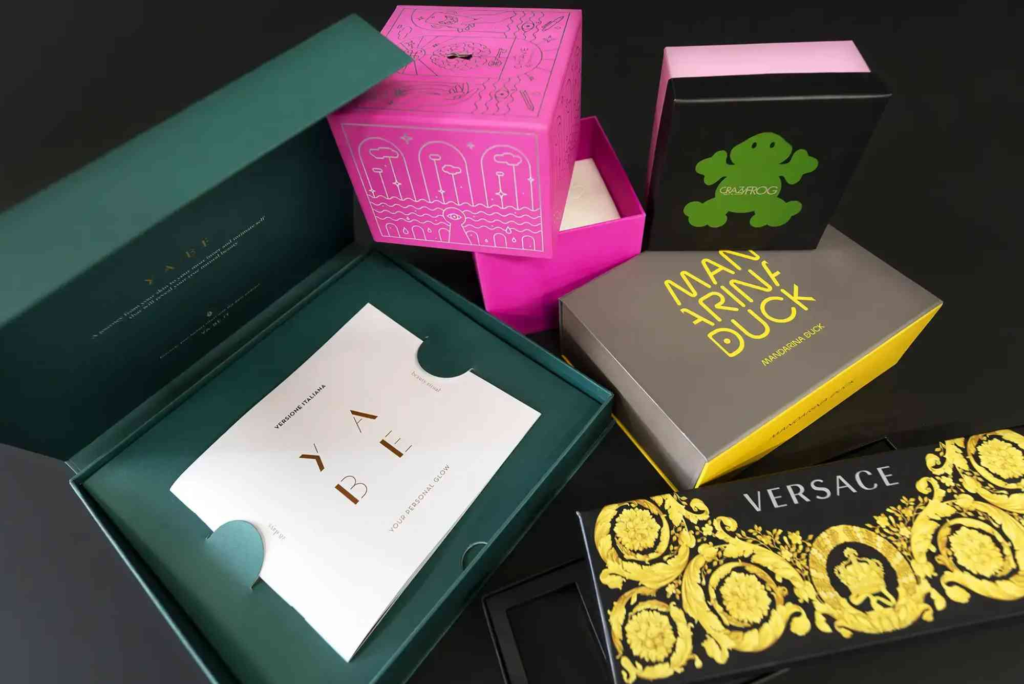
Observing successful packaging examples helps clarify packaging design meaning in practice. Platforms offering packaging design inspiration showcase how brands across industries communicate identity, function, and emotion through design. Studying these examples can spark ideas and reveal patterns that resonate with consumers.
Practical Considerations in Packaging Design
Packaging design meaning must balance creativity with practicality. Factors like production costs, material availability, shipping requirements, and regulations all influence design decisions. A visually stunning package that is too expensive to produce or impractical to ship can hurt profitability.
Experienced designers consider the entire lifecycle of packaging, from manufacturing to disposal, ensuring that design choices support long-term business goals.
The Role of Location and Logistics in Packaging Decisions
Packaging design meaning also connects to logistics and supply chains. Proximity to suppliers, printers, and manufacturers can affect turnaround times and costs. Understanding the operational side of packaging helps businesses make smarter design and sourcing decisions, such as working with partners near the Buddy Packaging Location for efficiency and consistency.
How Businesses Can Improve Their Packaging Design
Improving packaging design starts with understanding the target audience. Researching customer preferences, behaviors, and expectations ensures that design choices resonate. Testing prototypes and gathering feedback can reveal usability issues or messaging gaps before full production.
Continuous improvement is key. Packaging design should evolve alongside brand growth, market trends, and customer needs while maintaining core brand identity.
The Future of Packaging Design Meaning
The future of packaging design meaning lies in personalisation, sustainability, and technology. Smart packaging with QR codes, interactive elements, and personalised messaging is becoming more common. These innovations enhance engagement and provide valuable data for brands.
As consumer expectations evolve, packaging design will continue to serve as a critical bridge between products and people.
FAQs
What is the simple meaning of packaging design?
Packaging design meaning refers to creating the visual and structural appearance of a product’s package to protect it, communicate information, and attract customers.
Why is packaging design important for branding?
Packaging design is important because it represents the brand at the point of purchase. Consistent and thoughtful design builds recognition, trust, and emotional connection with customers.
How does packaging design affect sales?
Packaging design influences sales by shaping first impressions, communicating value, and encouraging purchase decisions through visual appeal and clarity.
What elements are included in packaging design?
Packaging design includes colours, typography, imagery, materials, structure, labeling, and functionality, all working together to convey meaning and purpose.
How can small businesses improve packaging design?
Small businesses can improve packaging design by understanding their audience, keeping messaging clear, using quality materials, and learning from successful design examples.
Understanding packaging design meaning is essential for any business that wants to compete and grow. Packaging is not just a container but a communication tool, a branding asset, and a driver of customer experience. When designed thoughtfully, it protects the product, tells a compelling story, and builds lasting relationships with customers.