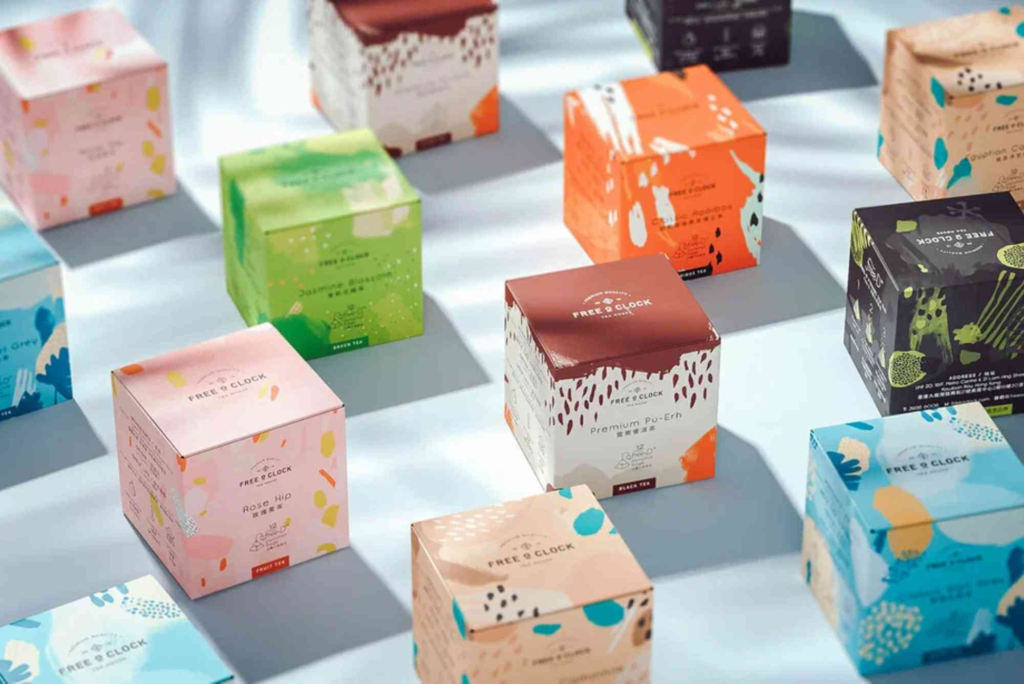
Packaging is no longer just a protective layer wrapped around a product. It has evolved into a powerful communication tool that influences brand experience, sustainability goals, and customer satisfaction. As consumer expectations shift and innovations accelerate, choosing the right packaging design materials matters more than ever. Whether you run a start-up, manage a large e-commerce brand, or work in design, understanding modern packaging materials will help you create solutions that look stunning and perform reliably.
This guide explores the essential materials used in packaging design today. You will also learn how brands approach sustainability, how material choices influence branding, and how new technologies are reshaping the packaging landscape. Throughout, you will find insights that help you make smarter, future-proof decisions.
Why Packaging Design Materials Matter More Than Ever
Many brands underestimate how strongly the choice of materials shapes customer expectations. When a product arrives in well-designed packaging, the buyer perceives higher quality, care, and value. As online shopping grows, customers judge products before they even see them. That moment of unboxing often determines repeat purchases. This is why premium packaging materials and thoughtful design make such a difference.
Sustainability also plays a major role. Shoppers prefer brands that reduce waste, choose eco-friendly materials, and show transparency. As regulations tighten, companies must balance aesthetics with environmental responsibility. This means understanding how materials behave, how they can be recycled, and how they influence the entire production cycle.
Understanding the Core Categories of Packaging Design Materials
Modern packaging materials fall into several broad categories, each with its own strengths, limitations, and ideal uses. Designers often combine different materials to achieve durability, beauty, and sustainability in a single design.
Paper and Cardboard as Versatile Packaging Materials
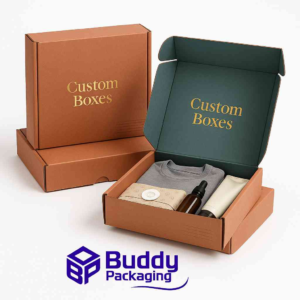
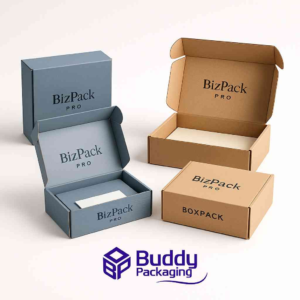
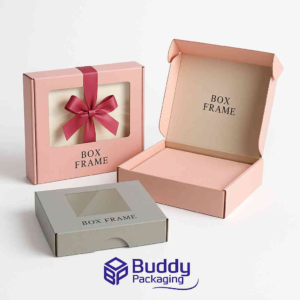
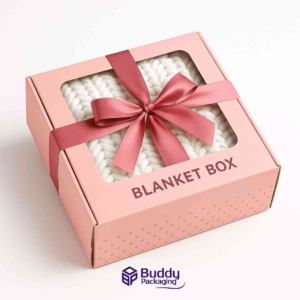
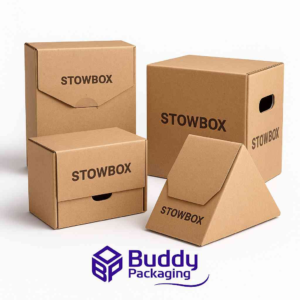
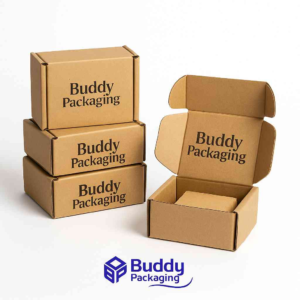
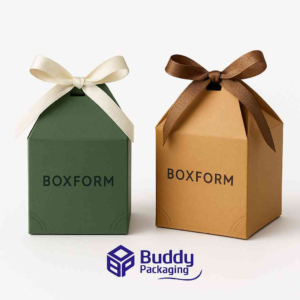
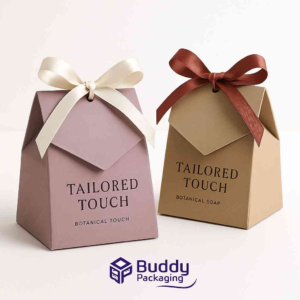
Paper-based packaging remains one of the most widely used options because it blends strength, printability, and environmental benefits. Corrugated cardboard protects fragile products during shipping, while folding cartons provide a smooth surface for detailed artwork. Because paper fibres can be recycled multiple times, this material supports responsible production.
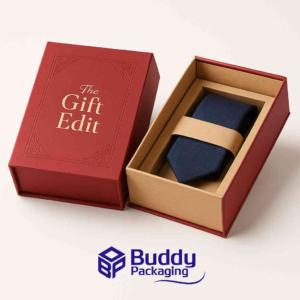
Brands appreciate how easily paper accepts inks, textures, foils, and coatings. These enhancements help transform a simple box into a premium experience. For companies wanting to reduce plastic, paper serves as a natural alternative that aligns with eco-friendly messaging.
Plastic and Its Role in Modern Branding
Although plastic faces criticism, it continues to play a significant role in packaging due to its durability and versatility. Transparent plastics help showcase products, especially in food, beauty, and household industries. Lightweight properties reduce shipping emissions, while advanced polymers allow brands to protect sensitive products from moisture and contamination.
The conversation around plastic has changed, with many brands exploring recycled or plant-based variants. While the shift is ongoing, plastic remains essential for certain applications where hygiene or precision is required.
Glass for Premium and High-Value Packaging
Glass carries a sense of luxury that appeals to premium brands. Its clarity, weight, and smooth surface create a refined customer experience. Consumers often associate glass with purity and quality, making it a popular choice for cosmetics, fragrances, and high-end beverages.
Because glass can be recycled repeatedly without losing quality, it provides strong sustainability advantages. However, its weight and fragility require careful consideration during shipping and handling.
Metals for Durable and Protective Packaging
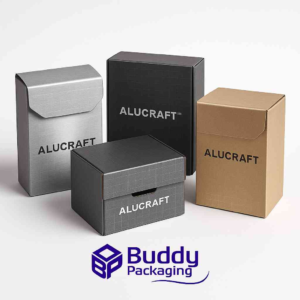
Aluminium and tinplate offer protection against light, oxygen, and moisture, which makes them ideal for long-shelf-life products. Metal packaging communicates strength and reliability. Many speciality brands use metal tins or containers to create collectable, long-lasting packaging that customers keep long after purchasing the product.
How Sustainability Influences Packaging Material Selection
In 2025, sustainability is no longer optional. Customers actively choose brands that reduce waste and prioritise environmentally conscious materials. Companies now adopt strategies that consider the entire lifecycle of packaging, from production to disposal.
Designers often reduce unnecessary layers, use recyclable materials, and integrate natural fibres. At the same time, technological advancements have made compostable and biodegradable materials more reliable. The challenge is achieving sustainability without compromising functionality or brand identity. With thoughtful design and innovative materials, both goals are possible.
The Impact of Material Choices on Brand Identity
Every material communicates something about a brand. Paper suggests warmth and craft. Plastic signals modern efficiency. Glass conveys elegance. Metal implies security and long-term value. The right material reinforces a brand’s personality and makes customers feel aligned with its values.
Texture also plays a vital role. A matte, uncoated cardboard box feels natural and sustainable, while a glossy laminated surface creates a sleek, modern impression. Small choices like this shape customer perception before they even open the packaging.
The Role of Technology in Enhancing Packaging Materials
Technological innovation continues to push boundaries. Digital printing allows small businesses to produce customized packaging in smaller quantities without sacrificing quality. Smart materials with embedded codes or sensors enable product verification and interactive experiences.
Sustainable innovation is also accelerating. Plant-based plastics, mushroom packaging, and fibre-based alternatives are emerging as viable solutions. As these technologies mature, brands gain access to materials that are both eco-friendly and visually impressive.
Balancing Cost and Quality When Choosing Materials
Many businesses struggle to balance cost and aesthetics. Premium materials can elevate the unboxing experience but may strain budgets. The key is aligning material choices with product value, customer expectations, and brand goals. A well-designed cardboard box can feel premium when paired with thoughtful printing and finishing. The right supplier can also help streamline production and reduce waste, enabling better results without unnecessary expense.
If your project requires highly tailored solutions, you may benefit from exploring Custom Packaging for finer control over materials and branding.
How Colours, Texture, and Finish Work With Packaging Materials
Materials influence how colours absorb and how finishes appear. Paper tends to produce softer tones, making it ideal for natural or artisan brands. Plastic supports vibrant, glossy colours often used in beauty and technology sectors. Metal and glass enhance reflective effects, giving designs a premium touch.
Finishes such as embossing, debossing, matte coatings, or varnishes help reinforce brand identity and create memorable tactile experiences. Designers often experiment with these details to elevate even simple materials.
Material Innovations Shaping the Future of Packaging Design
The future of packaging is increasingly sustainable, interactive, and creatively flexible. As regulations tighten and consumer awareness grows, brands will continue to adopt materials with lower environmental impact. Lightweight composites, refillable systems, and fully recyclable solutions will play a major role.
Design inspiration evolves constantly, and brands seeking fresh ideas often explore packaging design inspiration to discover global trends, creative approaches, and innovative case studies.
Practical Considerations When Selecting Materials
Before choosing any material, designers evaluate durability, printing compatibility, sustainability, and the expected customer experience. Temperature, moisture, and shipping distance also influence decisions. Products that require protection must be paired with robust materials, while luxury items may emphasise appearance and tactile quality.
Working with a reliable supplier helps ensure materials meet both functional and visual requirements. Knowing where your packaging supplier operates can also streamline logistics. For those considering local support, you can view Buddy Packaging Location to explore regional options.
FAQs About Packaging Design Materials
What material is best for environmentally friendly packaging?
Paper-based materials remain the most accessible eco-friendly choice because they are recyclable and biodegradable. Some brands explore compostable materials, but paper offers a stable, widely accepted solution.
How do I choose the right material for my product?
Consider product fragility, shipping conditions, branding goals, and sustainability needs. The best material aligns with both functionality and brand personality.
Is plastic still acceptable in packaging design?
Plastic remains useful in industries that require hygiene, clarity, or precise protection. Recycled and plant-based plastics provide more sustainable options.
What materials make packaging look premium?
Glass, metal, and textured paper often create a high-end feel. Finishes like embossing or matte coatings also elevate perceived quality.
How important is sustainability in packaging today?
Sustainability has become a major purchasing factor for many customers. Brands that prioritise eco-friendly materials often build stronger trust and loyalty.
Elevate Your Brand With the Right Materials
As packaging continues to shape customer experience, material selection plays an essential role in brand identity, environmental impact, and product performance. Whether you choose paper, plastic, glass, or metal, your decision influences how customers feel about your brand from the moment they receive your product.