Packaging Design Internship: A Complete Guide for Future Creatives
A packaging design internship is often the first real step into the professional creative world. For students and early-career designers in the UK, it bridges the gap between academic theory and real commercial practice. More importantly, it shows how creativity meets strategy, sustainability, and branding in everyday products.
Packaging is everywhere. From cosmetics to food, from retail to e-commerce, packaging design shapes how people feel about a product before they ever use it. Because of this, companies look for designers who understand not just visuals, but also materials, user experience, and brand storytelling. A packaging design internship gives you that understanding through hands-on experience.
In this guide, you will learn what to expect from a packaging design internship, how to prepare, what skills matter, and how it can shape your long-term career. This article reflects real industry practice in the UK and aligns with how employers actually hire and train interns.
What a Packaging Design Internship Really Involves
A packaging design internship is not just about making boxes look attractive. In real studios and agencies, interns support projects from concept to production. You may help with early brainstorming, research on competitors, or preparing artwork for print.
Interns often work alongside senior designers. This exposes you to client briefs, deadlines, and revisions. You learn why certain design choices matter and how budgets and manufacturing limits affect creativity.
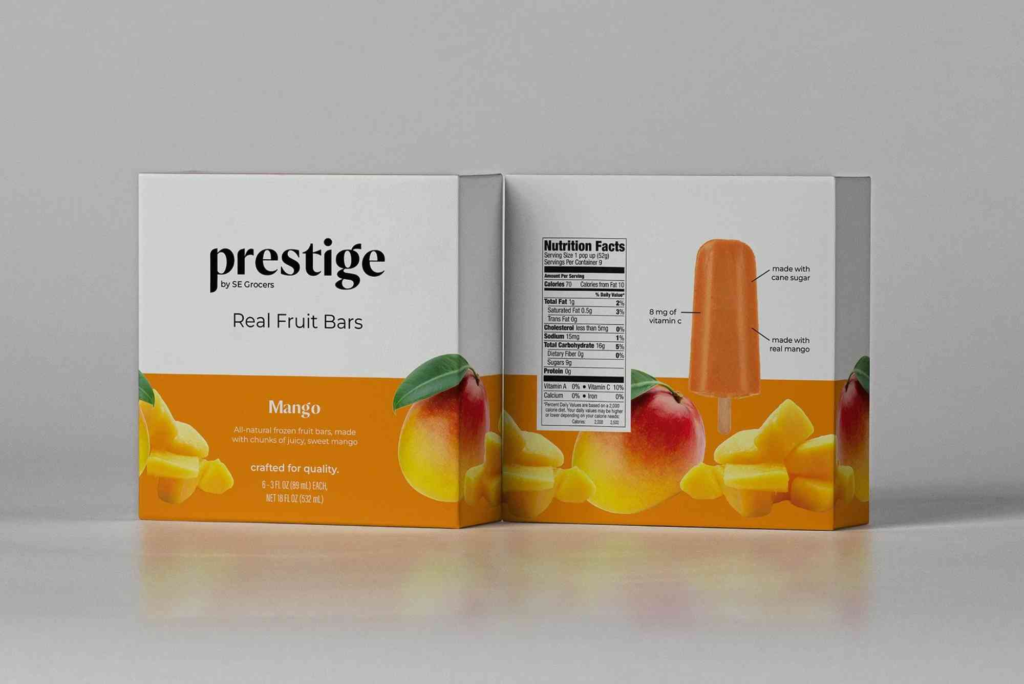
Another part of a packaging design internship involves understanding materials. Cardboard, corrugated board, flexible packaging, and rigid boxes all behave differently. Learning these differences helps you design packaging that works in the real world, not just on screen.
Why Packaging Design Matters So Much in the UK Market
The UK retail environment is highly competitive. Brands must stand out on crowded shelves and online platforms. Packaging design plays a major role in brand recognition and customer trust.
Sustainability is also critical in the UK. Many companies now require eco-friendly packaging solutions. As an intern, you may assist in researching recyclable materials or redesigning packs to reduce waste.
This makes a packaging design internship especially valuable. You gain experience in an area that is growing fast and in demand. Employers want designers who understand environmental responsibility as well as aesthetics.
Skills You Build During a Packaging Design Internship
A packaging design internship builds both creative and practical skills. You improve your ability to turn ideas into finished designs that meet real requirements.
Design software skills grow quickly. You will likely use Adobe Illustrator, InDesign, and sometimes Photoshop daily. You also learn how to set up files for printers, which is a critical industry skill.
Communication skills also improve. Interns often sit in on meetings or receive feedback directly from clients. Learning how to take criticism positively is essential for any designer.
Time management is another key outcome. Real projects have deadlines. A packaging design internship teaches you to prioritise tasks and work efficiently under pressure.
How a Packaging Design Internship Differs from University Projects
University projects allow creative freedom. A packaging design internship adds real constraints. Clients have budgets, brand rules, and production limits.
This difference can feel challenging at first. However, it is also what makes the experience valuable. You learn that good packaging design is about problem-solving, not just visuals.
You also see how designs evolve. Initial concepts often change based on feedback. Understanding this process prepares you for a professional career far better than academic work alone.
Where Packaging Design Internships Are Usually Based
In the UK, packaging design internships are commonly found in design agencies, packaging manufacturers, and brand studios. London has the highest concentration, but Manchester, Birmingham, Leeds, and Bristol also offer strong opportunities.
Some internships take place within manufacturing companies. These roles help you understand production processes deeply. Others are within creative agencies where branding and storytelling are central.
Working with experienced teams also introduces you to services such as Custom Packaging solutions for retail and e-commerce. Exposure to real packaging systems gives you a wider industry perspective.
What Employers Look for in Packaging Design Interns
Most employers do not expect interns to know everything. They do expect enthusiasm, basic design ability, and a willingness to learn.
A strong portfolio matters more than grades. Employers want to see clear thinking, not just polished visuals. Showing how you solved a packaging problem is more important than perfect artwork.
Understanding branding basics helps. Even a simple knowledge of how packaging supports brand identity can make your application stronger.
Interest in packaging trends is also a plus. Many interns gain ideas from trusted sources of packaging design inspiration and industry examples. This shows curiosity and engagement with the field.
How to Prepare for a Packaging Design Internship
Preparation starts with your portfolio. Include packaging projects if possible. These can be university assignments or personal concepts.
Explain your design process clearly. Show sketches, material choices, and final results. This helps employers see how you think.
Research the company before applying. Understand their clients, design style, and values. Tailor your application accordingly.
Technical knowledge helps too. Understanding dielines, colour modes, and print basics can set you apart. These skills show that you are ready to work in a professional environment.
Day-to-Day Life as a Packaging Design Intern
Daily tasks vary, but most interns support ongoing projects. You may adjust artwork, prepare mock-ups, or research materials.
Some days involve creative tasks. Other days focus on technical details. Both are equally important in packaging design.
You may also assist in preparing presentations for clients. This helps you understand how designers explain their ideas convincingly.
A packaging design internship often includes learning from mistakes. Small errors can happen, especially when dealing with print. These experiences are valuable lessons for future roles.
Paid vs Unpaid Packaging Design Internships in the UK
In the UK, many packaging design internships are paid, especially those lasting several months. Larger agencies and companies usually offer paid placements.
Unpaid internships still exist but are becoming less common. If considering one, ensure the experience offers genuine learning value and reasonable working hours.
Paid roles are often more structured. They may include mentoring, training, and the chance of a permanent position later.
Career Opportunities After a Packaging Design Internship
A packaging design internship can lead to junior designer roles. Many companies hire interns who show strong potential.
Even if it does not lead directly to a job, the experience strengthens your CV. Employers value real-world packaging experience highly.
Some interns move into related roles such as branding, production coordination, or sustainability-focused design. The skills are transferable across creative industries.
Long term, a packaging design internship helps you decide your specialism. You may discover a passion for luxury packaging, food packaging, or eco-friendly design.
Common Challenges and How Interns Overcome Them
One challenge is balancing creativity with restrictions. At first, limitations may feel frustrating. Over time, you learn that good design thrives within boundaries.
Another challenge is confidence. Interns may hesitate to share ideas. Remember that fresh perspectives are valuable. Speaking up respectfully can make a positive impression.
Time pressure can also be demanding. Learning to work efficiently while maintaining quality is a major professional skill gained during a packaging design internship.
Packaging Design Internship and E-E-A-T Experience
Employers value experience, expertise, authority, and trust. A packaging design internship builds all four.
Experience comes from working on real projects. Expertise develops as you learn materials, print, and branding. Authority grows as you contribute ideas. Trust builds when you deliver reliable work.
These qualities align with how the design industry evaluates talent. Internships are a recognised path to professional credibility.
FAQs
What does a packaging design internship teach you
A packaging design internship teaches practical design skills, print knowledge, teamwork, and how to respond to client feedback in real projects.
How long does a packaging design internship usually last
Most packaging design internships in the UK last from three months to a year, depending on the employer and placement structure.
Do you need a design degree for a packaging design internship
A degree helps but is not always required. A strong portfolio and genuine interest in packaging design often matter more.
Is a packaging design internship worth it
Yes, a packaging design internship provides hands-on experience that employers value more than academic work alone.
Can a packaging design internship lead to a full-time job
Many interns are offered junior roles after completing their internship, especially if they show commitment and skill growth.
A packaging design internship is more than a temporary role. It is a foundation for a creative career rooted in real-world impact. You learn how design decisions influence consumer behaviour, sustainability, and brand success.
For aspiring designers in the UK, this type of internship offers clarity, confidence, and professional direction. It transforms theory into practice and builds skills that last a lifetime.
If you are serious about packaging design, start preparing now. Build your portfolio, study real packaging, and seek opportunities that challenge you. A packaging design internship could be the step that turns your creative ambition into a lasting profession.