Packaging Design India: Crafting Brands That Stand Out
In a market bursting with choices, packaging design India plays a crucial role in how consumers perceive a brand. The right package can catch an eye, convey quality and inspire loyalty. From vibrant food cartons in Mumbai to luxury cosmetics boxes in Delhi, good design can spell the difference between success and obscurity.
Understanding the Landscape of Packaging Design in India
Diversity of Products and Consumer Expectations
India’s vast consumer market spans fast-moving goods, artisanal products and luxury items. Each demands tailor-made packaging. A snack brand in Kolkata may need sturdy tamper-proof bags, while a handcrafted silk scarf from Varanasi deserves delicate tissue lining and premium boxes. This diversity makes packaging design India particularly challenging. Designers must understand textures, usability and shelf appeal across product categories. Consumers expect more than functionality. They demand aesthetics, ease of use, sustainability and authenticity. Brands responding to those demands push packaging design India forward — blending practicality with elegance.
Regulatory Framework and Quality Standards
India’s packaging industry must comply with standards on food safety, labelling, materials and waste disposal. For food items, designers must ensure packaging is non-toxic, hygienic and tamper resistant. For export goods, compliance with international norms is essential. Designers and manufacturers must stay updated with regulations. This balancing of compliance and creativity makes packaging design India more complex — yet more rewarding when done right.
Key Elements of Successful Packaging Design India
Materials and Sustainability
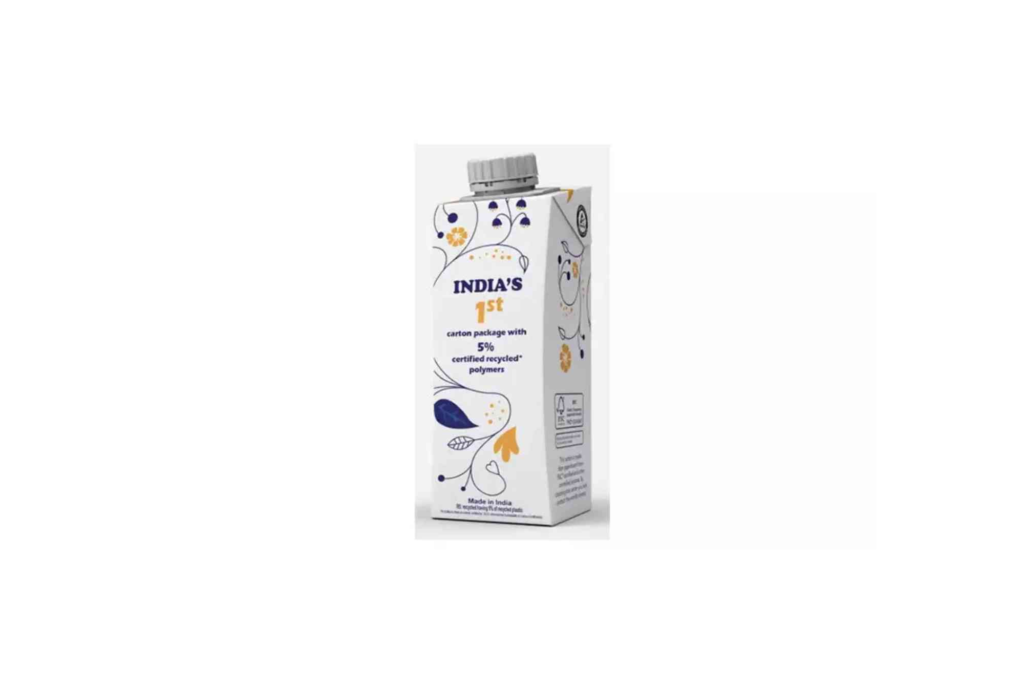
One crucial trend in packaging design India is sustainability. Biodegradable, recyclable and reusable materials are gaining ground. Corrugated cardboard, kraft paper, compostable films and paper-based wraps offer eco-friendly alternatives. Brands increasingly avoid heavy plastics and non-recyclable materials.
Using sustainable materials shows social responsibility and can boost brand reputation. It also appeals to environmentally conscious consumers, especially younger demographics. For example, a tea brand from Assam might opt for kraft-paper boxes with inner foil lining rather than plastic. This approach not only reduces environmental impact but also aligns with consumer values.
Cultural Sensitivity and Aesthetic Relevance
India is a tapestry of cultures. Colours, symbols and design motifs carry varied significance across regions. A packaging design for a North Indian spice mix might incorporate vibrant saffron hues, traditional motifs and rustic textures — reflecting heritage and authenticity. In contrast, urban beauty products may aim for minimalism, muted colours and chic typography.
Understanding these cultural nuances is essential for packaging design India. A design that resonates with a target demographic gains trust and emotional connection. Designers often collaborate with local artists, textile designers or graphic illustrators to embed cultural identity into packaging.
User Experience and Practicality
Functional aspects matter as much as looks. Easy opening, resealable features, portability and storage convenience affect user satisfaction. For instance, a pouch of ready-to-cook masalas may benefit from a zip-lock feature. A cosmetics bottle must open smoothly without spilling. Packaging design India that neglects usability risks consumer frustration, even if the visuals are stunning.
Moreover, for e-commerce and doorstep delivery, durability is key. Packaging must protect contents through shipping and handling. Thus structural integrity, cushioning, secure seals and tamper-evident packaging are essential design elements.
Process: From Concept to Final Package
Research and Market Understanding
The first step in any project is research. Designers analyse market trends, competitor packaging, cultural preferences and consumer behaviour. They gather insights from customer feedback and buyer personas. This helps them understand what consumers expect from packaging design India in a particular segment.
During research, designers may gather inspiration from global trends while keeping Indian sensibilities in mind. For example, minimalist Scandinavian packaging might inspire Indian lifestyle products — but must be adapted to Indian cultural context. Tools like moodboards, style guides and consumer surveys help shape direction.
Ideation, Sketching and Prototyping
Once research is done, brainstorming and sketching follow. Designers experiment with structure, shape, materials, colour palettes and typography. They create rough prototypes to evaluate size, ergonomics and practicality.
Testing physical prototypes gives insights difficult to capture digitally — such as how easily a consumer opens the box, how sturdy it feels, or how easily it stacks on a shelf. In packaging design India, prototyping is especially important because climatic conditions, humidity and handling differ from global standards.
Refinement and Compliance Checks
After selecting a prototype, designers refine the artwork, colours and material finish. They ensure labelling complies with local laws — such as weight declarations, ingredient lists, expiry dates and safety warnings. Designers also check for readability, correct alignment, colour contrast and print quality. At this stage, collaboration with packaging printers and manufacturers becomes vital.
Production and Quality Control
Once final design and materials are approved, packaging enters production. Quality control checks are essential to maintain consistency — printing quality, dimensional accuracy, sealing strength and material integrity. Poor quality control can lead to damaged goods and brand damage. For Indian brands, frequent audits and sample testing are prudent, especially when exporting.
Emerging Trends in Packaging Design India
Premiumisation and Gift Packaging for E-Commerce
With growing e-commerce adoption, demand for premium packaging has increased. Many Indian brands now treat packaging as part of the unboxing experience. Gift packaging, ribbon closures, sleek boxes and luxurious finishes are becoming common. For example, handmade jewellery sellers often include custom velvet inserts and branded tissue wrap to enhance perception of value. Online buyers expect more than functionality; they expect a moment of delight when they open the package. That elevates packaging design India from a protective shell to a brand storytelling medium.
Personalisation and Small-Batch Packaging
Personalised packaging resonates deeply with consumers. Small brands often customise packaging with names, limited-edition labels or hand-written notes. Such personal touches build loyalty and make consumers feel valued.
Moreover, with regional flavours and artisanal goods, small-batch production allows flexibility. It reduces wastage and supports niche packaging solutions. Packaging design India is evolving to support such flexibility — enabling small businesses to create unique packaging without large-scale runs.
Digital Augmentation: QR Codes and Smart Packaging
Technology increasingly touches traditional packaging design India. QR codes, AR-enabled boxes or interactive inserts link physical packaging to digital content. An organic skincare brand might embed a QR code that leads to ingredient sourcing stories or tutorial videos.
Smart packaging enhances transparency and helps brands engage with consumers beyond the point of sale. It also offers traceability and authenticity — especially important for premium or organic goods.
Challenges and How to Overcome Them
Cost Constraints for Small Brands
High-quality design and premium materials often come at a price. For small Indian businesses, costs can rise significantly with rigid prototypes and custom printing. To overcome this, brands can start with minimal viable packaging — good design, simple structure, moderate materials — and reinvest as they grow.
Working with local printers and manufacturers helps reduce costs. Bulk ordering, shared runs, and modular packaging designs lower per-unit cost. Emerging digital-print services in India also offer small-batch affordability.
Balancing Aesthetics with Functionality
Designers may be tempted to prioritise looks over usability. However, poor packaging functionality can harm consumer trust. For example, an ornate cosmetic box must still open easily and protect contents from humidity.
User testing is key. Conducting trials with actual consumers helps identify usability issues. Feedback loops between design, manufacturing and quality control departments ensure functionality is not compromised.
Supply Chain and Material Quality Issues
India’s supply chain often faces delays or inconsistent material quality. This can lead to production delays or packaging failures. Brands must have backup suppliers and enforce strict quality checks.
In addition, rapid scale-up may cause demand spikes beyond suppliers’ capacity. By forecasting demand and placing orders early, brands can avoid delays. Good communication between design teams, manufacturers and logistics partners remains crucial.
Case Approach: How Brands Can Benefit from Professional Packaging
A well-thought-out package can elevate a product’s value perception dramatically. By aligning packaging design India with branding and marketing goals, companies build stronger identities. Thoughtful packaging improves shelf visibility in retail, enhances customer unboxing experiences online, and supports storytelling for origin, quality, or sustainability.
Working with experienced agencies or experts helps small brands skip common pitfalls. They can access material sourcing, compliance knowledge and manufacturing networks — ensuring high-quality outcomes under budget. For businesses targeting overseas markets, proper packaging ensures compliance with international shipping norms and quality expectations. With mindful design, packaging becomes an asset rather than a cost centre.
Packaging design India is much more than wrapping. It merges creativity, functionality, culture and quality standards. In a dynamic consumer market, effective packaging can define a brand’s identity and help it stand out. By embracing sustainable materials, cultural relevance, user-centred design and smart production practices, brands can deliver packaging that appeals — and sells.
If you want to elevate your brand’s appeal, consider professional Custom Packaging that blends design and practicality. With thoughtful design, you transform packaging into an experience that delights consumers and strengthens brand identity. Curious to explore more packaging design strategies? Discover insightful packaging design tips from industry experts and see how innovative design Buddy Packaging Location can shape your brand’s future. Remember — packaging is more than a box. It’s your brand messenger. Make it count with packaging design India done right.
Frequently Asked Questions
What materials work best for packaging design in India?
Sustainable materials like corrugated cardboard, kraft paper and recyclable films work well. They balance strength, eco-friendliness and cost. These materials adapt to India’s climate and logistic challenges better than standard plastic.
Why is sustainability important for packaging design India?
Sustainability resonates with consumers and meets growing environmental awareness. Biodegradable or recyclable packaging reduces waste and aligns with global eco-standards. It can also enhance a brand’s reputation among conscious buyers.
How can small businesses afford high-quality packaging design?
Small businesses can start with simple designs and standard materials. They can use local printers or digital print services for small batches. As sales grow, they can shift to premium, customised packaging.
Does packaging design differ for e-commerce products compared to retail shelves in India?
Yes. E-commerce packaging needs durability, secure seals and tamper resistance because parcels travel long distances. Retail shelf packaging can prioritise aesthetics, colour, visibility and easy opening.
How can brands ensure packaging design complies with Indian regulations?
Brands must include mandatory information like ingredients, weight, date, manufacturer details and safety warnings. They should choose safe materials for food or cosmetics. Collaborating with experienced packaging manufacturers helps ensure compliance.