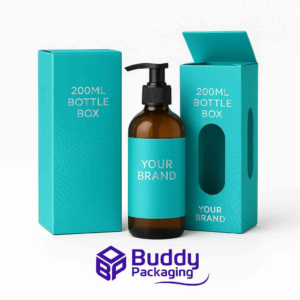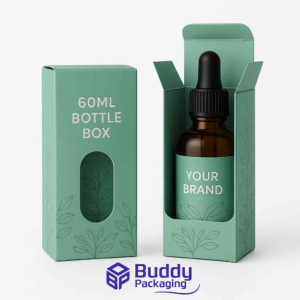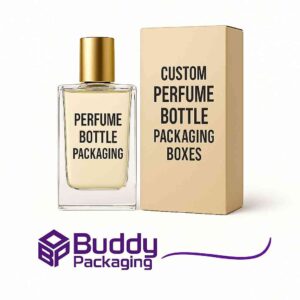
A strong Packaging Design Guide helps brands create packaging that attracts customers, protects products, and communicates value. In today’s competitive retail landscape, packaging influences buying decisions long before a customer interacts with a product. This guide explores how to develop packaging that strengthens brand identity, enhances customer experience, and aligns with modern sustainability expectations. Whether you are refreshing your design or building it from scratch, this resource offers practical insights grounded in real industry experience.
Understanding the Purpose of Packaging
A successful design always begins with purpose. Packaging must perform several roles at once, from protecting the item to communicating what makes it desirable. When you start with clarity, every design decision becomes easier because the packaging supports a clear strategy rather than guesswork. Many brands overlook how much influence packaging has on perception, yet it is often the first physical touchpoint a customer experiences.
How Packaging Shapes First Impressions
The psychology behind visual cues matters. Customers make rapid judgments based on colours, typography, and structure. These impressions form emotional associations with your brand, which determine whether a shopper pauses to learn more or moves on. Your packaging is silent, but it speaks through design. A well-built Packaging Design Guide helps ensure these signals remain consistent.
Why Messaging Matters
Clear communication influences trust. A customer should understand the product’s purpose, benefits, and unique qualities within seconds. If packaging feels confusing or cluttered, the opportunity to persuade is lost. Effective messaging is concise, reassuring, and aligned with the brand’s personality.
Planning the Foundation of Your Packaging Design
A strategic design process prevents costly revisions later. Many brands begin with visuals, but deeper planning ensures each design choice has meaning and function. When creative work connects to purpose, the result feels polished and intentional.
Researching Your Market
Every industry, from cosmetics to technology, has visual patterns that customers recognise. Research helps you understand these expectations so you can make informed design choices. The goal is not to copy competitors but to recognise the cues that signal quality and relevance in your sector. Through this awareness, you can innovate without alienating your audience.
Creating a Cohesive Brand Identity
Packaging should reinforce the identity customers already know. This includes your logo, colours palette, tone of voice, and stylistic elements. Consistency strengthens recognition and enhances trust. When customers see your packaging in stores, they should immediately associate it with your brand. A thoughtful design guide keeps these visual elements aligned, even as your company grows or introduces new products.
Designing for Function and Form
A beautiful design achieves little if it does not serve practical needs. Packaging must protect the product and withstand handling, shipping, and storage conditions. When aesthetics and function coexist, the result is packaging that feels purposeful and reliable.
Considering Material Choices
Material selection influences durability, sustainability, and cost. Cardboard, paperboard, corrugated fibreboard, and other materials each carry specific characteristics. As brands shift towards eco-friendly packaging, choosing recyclable and responsibly sourced materials has become essential. Customers appreciate designs that care for the environment without compromising appearance.
Thinking About Structure and Usability
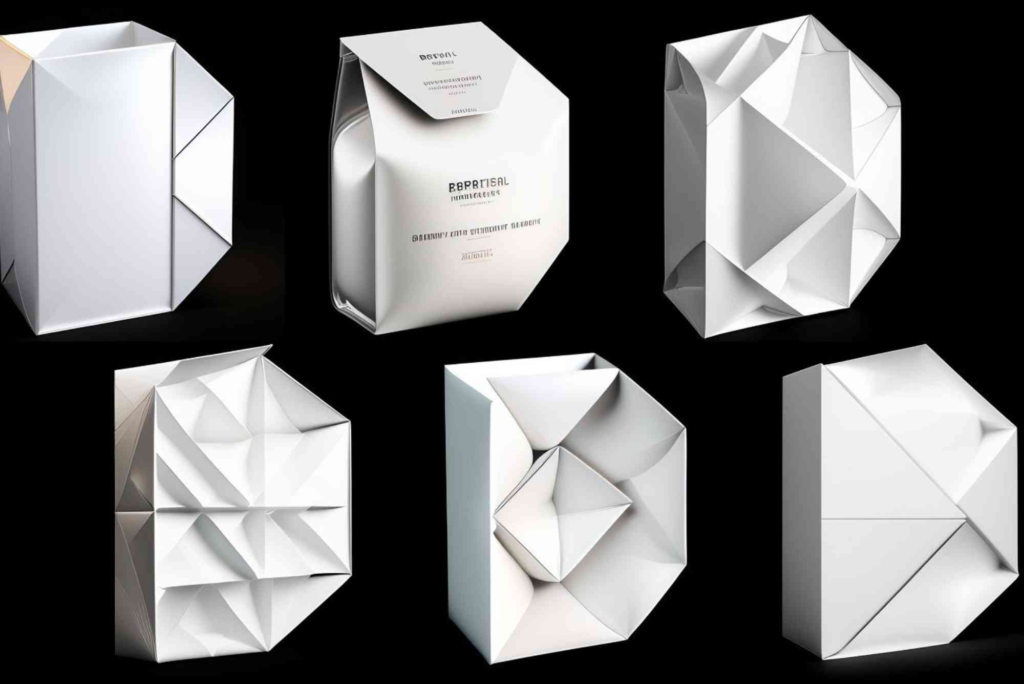
Structural design impacts ease of use. Customers prefer packaging that opens smoothly and closes securely. Designing structures that align with customer behaviour improves the unboxing experience and increases satisfaction. The structure should also support printing requirements and ensure colours and elements remain consistent during production.
Visual Elements That Shape Your Design
Visual storytelling plays a major role in how your product is perceived. Every graphical element contributes to a unified narrative. When done correctly, the visual language enhances authenticity and creates emotional connection.
Colours and Emotional Impact
Colours creates instant meaning. Warm tones suggest comfort or energy, while cool tones often communicate calm or sophistication. Your colours choices should reinforce your brand’s personality and target audience. When applied consistently, colours help customers recognise your product on crowded shelves.
Typography and Readability
Typography must be attractive yet functional. Customers rely on readable text to understand ingredients, instructions, and features. Even the most artistic packaging fails if typography strains the eyes or appears inconsistent. Select typefaces that reflect your brand voice and use them carefully across product lines.
The Role of Sustainability in Modern Packaging
Sustainable packaging is no longer optional. Customers expect environmentally considerate design choices, and brands benefit from adopting greener practices. By reducing unnecessary materials and selecting eco-friendly options, your packaging becomes both responsible and appealing.
Designing for Recyclability
When you choose materials that are easy to recycle, you simplify the customer journey. Clear instructions placed directly on packaging improve compliance and demonstrate transparency. Many brands now highlight recyclability as a key selling point because customers appreciate actionable guidance.
Reducing Waste Through Smart Design
Minimalist designs help reduce environmental impact. Streamlined structures use fewer materials, which lowers production cost without sacrificing aesthetic quality. Sustainability also contributes to brand reputation, reinforcing your commitment to responsible production.
Working With Print and Production Partners
Turning a digital design into a physical product requires collaboration. By understanding print processes, finishes, and technical constraints, you can reduce errors and ensure the final product matches your brand vision.
Understanding Printing Methods
Offset, digital, and flexographic printing each offer advantages depending on volume, colours accuracy, and budget. When you understand these options, you can select the best method for your packaging needs. Print partners can advise on techniques that enhance durability and visual impact.
Exploring Finishing Techniques
Finishes such as embossing, foil, lamination, and spot UV contribute to tactile and visual appeal. These elements add depth to your packaging and create memorable experiences for customers. If you want to explore technical advances in printing, you can gain further industry knowledge through print & finishing insights at PrintWeek, which provides helpful trends and updates for professional designers.
Building a Strong Brand Experience Through Packaging
Every interaction with your packaging shapes the customer journey. From the initial glance to the final unboxing, each moment influences perception. A consistent and well-executed design enhances trust and encourages repeat purchases.
Creating Unboxing Moments That Delight
Unboxing has become a powerful marketing tool. Customers often share their experiences online, which increases your brand’s visibility. Thoughtful design choices such as internal printing, soft-touch textures, or clever copywriting enrich the unboxing moment and leave a lasting impression.
Strengthening Customer Loyalty
When your packaging aligns with your values and communicates clearly, customers feel understood. This connection encourages loyalty and long-term engagement. Packaging is more than protection; it is a key part of your brand’s storytelling.
Practical Tips for Creating Your Packaging Design Guide
A comprehensive guide ensures consistency across designers, teams, and partners. It acts as a reference for anyone involved in your packaging process, helping maintain brand integrity.
Documenting Visual Standards
Your guide should explain how to use logos, colours, and typography correctly. Include details on spacing, alignment, and tone of voice. These standards help maintain cohesion even when multiple people contribute to design projects.
Including Technical Specifications
Add information about material preferences, dielines, print tolerances, and finishing options. Clear specifications reduce mistakes and keep production efficient. With accurate documentation, manufacturers can deliver reliable results at scale.
People Also Ask: Frequently Asked Questions
What are the key steps in packaging design?
The key steps begin with research, followed by strategy, visual development, structural planning, and production alignment. Each stage builds a design that is both attractive and functional. When these elements work together, the packaging enhances brand visibility and customer trust.
How do I choose the right material for packaging?
Your choice depends on product needs, budget, and sustainability goals. Materials should protect the product, support the desired printing method, and meet environmental expectations. When you select materials aligned with these factors, your final design becomes more effective and efficient.
Why is packaging design important for branding?
Packaging is a visual ambassador for your brand. It communicates personality, values, and product quality. Strong design helps you stand out in competitive markets and reinforces customer trust. When customers recognise your packaging instantly, branding becomes stronger and more memorable.
How can packaging improve customer experience?
Packaging improves customer experience when it is easy to open, visually appealing, and informative. A pleasant unboxing moment creates emotional impact and encourages loyalty. When customers enjoy interacting with your packaging, they associate those positive feelings with your brand.
Turning Design into Competitive Advantage
This Packaging Design Guide offers a practical foundation for creating packaging that strengthens your brand and connects with customers. When you combine strategic planning, thoughtful visuals, functional structure, and sustainable thinking, you elevate your product and stand out in the marketplace. If you are ready to take your packaging to the next level, explore high-quality solutions through Custom Packaging options that offer tailored support for any brand size. You can also learn more about the Buddy Packaging Location to understand where expert packaging solutions are available. Well-designed packaging is not simply decoration; it is a powerful tool that influences perception, encourages loyalty, and drives lasting commercial success.