Introduction
Packaging design for beauty products is one of the most influential factors shaping modern consumer behaviour. In an industry built on aesthetics, emotions, and perceived value, your packaging becomes the first point of contact between your brand and your customer. Long before someone tries a cream, serum, lipstick, or fragrance, they judge the product by its outer shell. Because beauty shelves are crowded and online marketplaces overflow with options, brands must craft designs that are visually appealing, functional, ethical, and emotionally engaging. When done right, packaging design for beauty products communicates your brand story, builds trust, and encourages repeat purchases. This article explores the strategies, psychology, materials, trends, and real-world considerations that shape high-performing beauty packaging today.
The Importance of Packaging Design for Beauty Products
Packaging design for beauty products matters because it influences consumer perception within seconds. People often associate product quality with packaging quality. A thoughtfully designed box or container signals professionalism, safety, and effectiveness, especially in skincare and cosmetic categories where trust is essential. Additionally, packaging is a branding tool that reinforces identity through colours, typography, and structural choices. Because competition is fierce, brands must stand out not with loud visuals but with purposeful, well-executed concepts that resonate with their target audience. Packaging also protects the product, guides the unboxing experience, supports marketing claims, and plays a major role in sustainability, which is increasingly important to conscious consumers.
Understanding Consumer Psychology in Beauty Packaging
Beauty customers are highly sensitive to style, symbolism, and emotional cues. Colours influence mood and expectations. Shapes communicate purpose. Textures create a sense of luxury or simplicity. Because consumers often buy beauty products to feel confident, attractive, or cared for, the packaging should reflect these emotional aspirations. Soft colours can evoke purity or calmness, while bold colours suggest energy or creativity. Minimalist designs often appeal to premium seekers, while vibrant patterns attract younger audiences. Understanding these psychological drivers allows designers to craft solutions that speak directly to what customers want.
How Visual Cues Drive Purchase Decisions
Human brains process visuals faster than text, so design elements must work instantly. A clean layout, balanced spacing, and a refined colour palette can signal a product’s category and purpose. High-end skincare often favours neutral tones with gold or silver accents to communicate luxury. Natural beauty brands use earthy colours and matte textures to express sustainability. These conscious design choices help customers trust the product within seconds.
The Role of Storytelling in Packaging
Great beauty packaging tells a story. Whether it is a narrative about clean ingredients, scientific formulations, or heritage craftsmanship, the design becomes a medium for storytelling. This helps customers feel emotionally connected to the brand. When combined with typography and concise messaging, storytelling enhances loyalty and encourages repeat sales.
Key Elements of Effective Beauty Packaging Design
Beauty packaging requires a balance of aesthetics and practicality. It must protect the product, comply with regulations, remain easy to use, and preserve formulas while still looking beautiful. Successful brands invest time into every component, from the outer box to the inner container and any additional inserts.
Structure and Shape
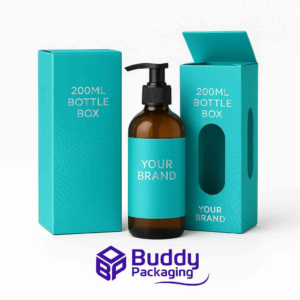
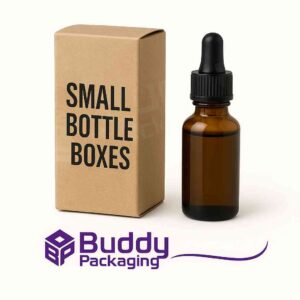
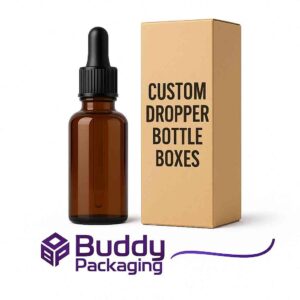
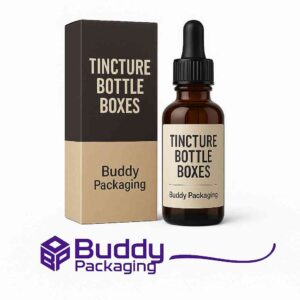
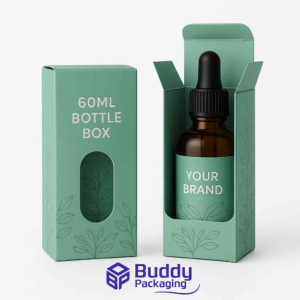
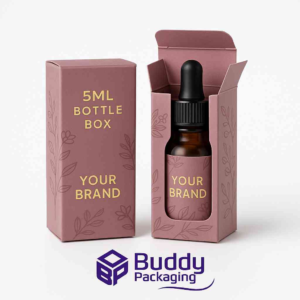
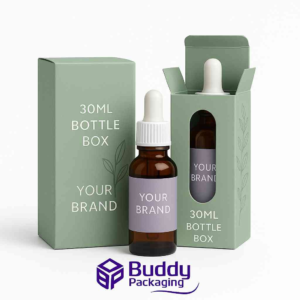
The structural design should not only look good but also function effortlessly. For instance, airless pumps protect sensitive serums from contamination. Dropper bottles enhance the precision of liquid skincare. Magnetic closures elevate the unboxing experience of premium palettes. These features enhance perceived value and usability.
Materials and Sustainability
The shift towards eco-friendly packaging has transformed the industry. Customers now expect recyclable, refillable, or biodegradable materials. Many beauty brands use glass for premium skincare because of its durability and sustainability. Recyclable papers, plant-based plastics, and refill pouches reduce waste while preserving the aesthetic appeal of the product. Choosing responsible materials is not only good for the planet but also reinforces the brand’s commitment to conscious practices.
Typography and Labelling
Clear, readable typography is essential in beauty packaging. Customers want to understand what the product does, what ingredients it contains, and how to use it. Elegant fonts can elevate a brand, but readability must remain the priority. Effective labelling follows regulatory guidelines while still maintaining visual harmony.
Colour Strategy
Colour is one of the strongest branding tools. Beauty products rely on colour to indicate product type and target market. For example, pastel colours often appeal to skincare users seeking softness and calmness. Bold reds and blacks are popular in makeup due to their association with confidence and glamour. A consistent colour strategy builds brand recognisability and strengthens shelf appeal.
Trends Shaping Packaging Design for Beauty Products
Beauty brands frequently draw inspiration from cultural shifts, consumer expectations, and design innovations. These trends help products remain competitive and relevant.
Minimalism and Clean Design
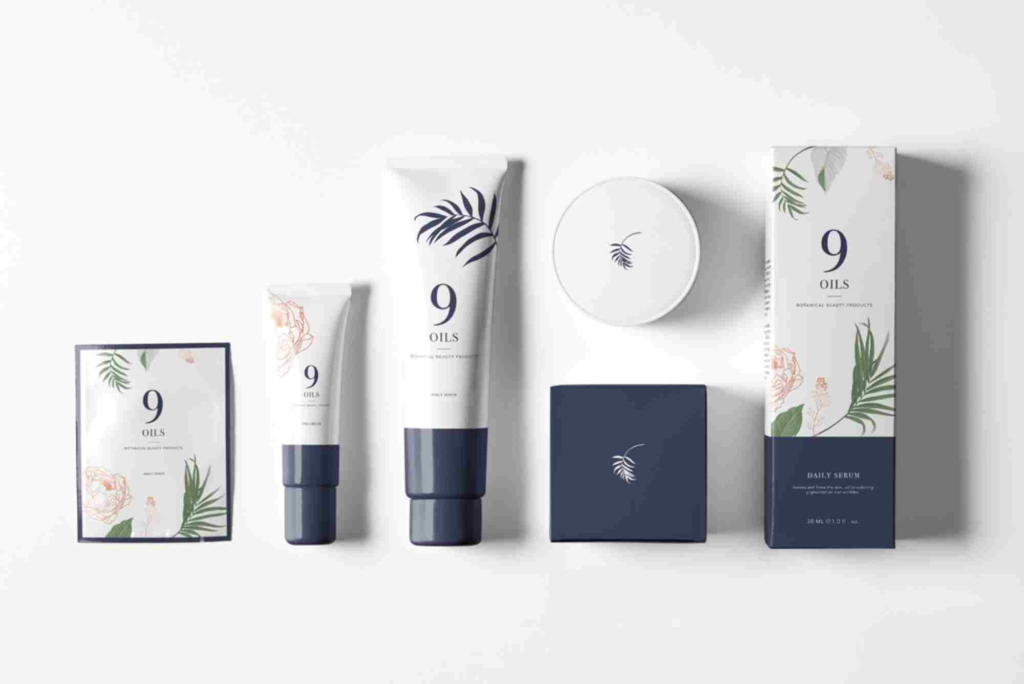
Minimalist designs are popular because they evoke trust, transparency, and sophistication. Clean layouts with generous spacing, soft tones, and limited clutter create a premium look that works particularly well for luxury skincare and wellness products.
Customisation and Personalisation
Brands are increasingly offering products with customised packaging to enhance customer experience. Personalised labels, engraved packaging, or unique colour options make customers feel valued. Businesses looking to develop fully tailored packaging can explore solutions like Custom Packaging to elevate their product presentation.
Inspirational Design Resources
Designers draw ideas from global creatives, and platforms such as packaging design inspiration offer a wide variety of concepts and case studies. These examples help brands explore new styles, textures, and structures that they may integrate into future lines.
Sustainable and Refillable Packaging
Refillable beauty products continue to grow. Many brands now offer refill pods for moisturisers, cleansers, and makeup compacts. This approach reduces long-term waste and appeals to eco-conscious consumers. It also enables brands to maintain premium outer packaging while only replacing internal containers.
Sensory Packaging
Tactile finishes, such as embossing or soft-touch coatings, create a sensory connection with the customer. This tactile experience reinforces high-quality branding and makes products more memorable. Scented packaging is also emerging, particularly in fragrance and aromatherapy categories.
The Unboxing Experience and Customer Loyalty
A memorable unboxing experience can significantly increase customer satisfaction. Beauty brands understand that customers love premium touches that make products feel special. The unboxing experience includes everything from the outer packaging to protective wraps, inserts, and the sequence in which items are revealed. When executed well, it encourages customers to share their experience online, boosting brand visibility through organic social media content. Consistency in branding across the unboxing journey reinforces trust and professional presentation.
Packaging Design for Beauty Products in E-commerce
With more beauty purchases happening online, packaging must also be optimised for shipping. Products need to withstand transport while still offering a premium unboxing experience at home. Protective inserts, sturdy boxes, and tamper-evident seals have become essential. Brands often use slightly more durable materials for e-commerce packaging compared to retail packaging. Online customers also rely heavily on product photos and videos, so the packaging must be camera-friendly. Clear labels, reflective finishes, and striking colours help products stand out in digital marketplaces.
How Professional Packaging Design Enhances Brand Identity
Professional packaging design elevates brand identity by offering a cohesive look across all product lines. A strong identity builds trust and helps consumers instantly recognise a brand on the shelf or online. Elements such as signature colours, unique shapes, consistent typography, and iconic symbols reinforce familiarity. Brands that invest in cohesive packaging are more likely to stand out in a competitive market and maintain long-term loyalty.
Building Recognition Over Time
Consistent packaging design helps a brand remain memorable. When customers repeatedly encounter similar visual cues, trust develops naturally. Over time, the brand becomes associated with reliability, quality, and good results. This recognition also makes it easier to launch new products under the same visual identity.
Creating Premium Perception
Premium beauty brands often use luxurious materials, elegant finishes, and unique structures to stand out. These features enhance the perceived value of the product, making customers more willing to pay higher prices. Even on a modest budget, thoughtful design choices can significantly elevate product perception.
Working with Professional Designers and Packaging Experts
Many businesses choose to work with professional designers or packaging specialists to develop high-quality, functional solutions. These experts understand manufacturing processes, material limitations, regulatory requirements, and aesthetic principles. They also help brands balance cost efficiency with visual appeal. Local partners such as Buddy Packaging Location can assist with design, production, and custom solutions tailored to specific beauty products.
Create Beauty Packaging That Captivates and Converts
Packaging design for beauty products plays a powerful role in brand success. It influences perception, builds trust, protects the product, and creates memorable customer experiences. In a visually driven market, thoughtful design is not optional. It is a strategic investment that shapes how your brand is seen and remembered. Whether you want sustainable packaging, luxurious finishes, or custom structural designs, partnering with experienced professionals ensures you deliver products that customers love from the moment they arrive. If you are ready to elevate your beauty brand with packaging that stands out and performs brilliantly, now is the time to take action and craft a design that reflects your vision.
FAQs
Why is packaging design important in the beauty industry?
Packaging design is important because it influences first impressions, communicates product quality, and shapes brand identity. Beauty customers rely heavily on visuals to make decisions, and attractive packaging strengthens trust while encouraging purchases.
What materials are best for beauty product packaging?
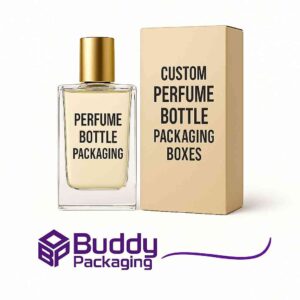
The best materials depend on the product type. Glass is ideal for premium skincare because it preserves formulas and looks luxurious. Recyclable plastics, aluminium, and paperboard are also widely used for their durability and sustainability. Many brands are shifting towards refillable systems to reduce long-term waste.
How do you make beauty packaging eco-friendly?
Eco-friendly packaging uses recyclable materials, refillable pods, biodegradable plastics, and reduced plastic usage. Brands can also avoid unnecessary layers and opt for responsibly sourced paper. Eco-conscious designs appeal to customers who value sustainability.
What makes packaging attractive to beauty consumers?
Beauty consumers want packaging that is visually appealing, functional, and reflective of their values. Clean design, beautiful colours, luxurious textures, and clear labelling help packaging feel high quality. A memorable unboxing experience also enhances attractiveness.
How much does custom beauty packaging cost?
Costs vary depending on materials, printing techniques, shapes, and order quantities. Simple paperboard boxes are affordable, while luxury features such as embossing or magnetic closures increase pricing. Working with specialists can help balance quality and cost.