Packaging Design Elements
Packaging design is more than just a container for your product. It’s a powerful communication tool that conveys brand identity, attracts customers, and drives sales. Understanding the key packaging design elements helps businesses create packaging that stands out on crowded shelves and resonates with their target audience. In this guide, we will explore essential design components and strategies to enhance packaging effectiveness.
Understanding Packaging Design
Good packaging design balances aesthetics, functionality, and brand storytelling. Each element plays a role in influencing consumer perception and purchase decisions. By analyzing and applying these design components, brands can ensure that their packaging not only protects the product but also strengthens brand recognition.
The Purpose of Packaging Design
Packaging design serves multiple purposes. Primarily, it protects the product during shipping and handling. It also communicates the brand’s values and differentiates the product from competitors. In today’s market, packaging can even influence online sales through visually appealing unboxing experiences.
Consumer Psychology and Packaging
Packaging impacts the subconscious mind. Colors, typography, and imagery can evoke emotions and encourage trust. For example, eco-friendly packaging often attracts environmentally conscious consumers, while luxury packaging communicates premium quality.
Key Packaging Design Elements
Creating effective packaging involves careful consideration of several core elements. These design elements work together to create a cohesive and compelling presentation.
Color
Color is one of the most influential packaging design elements. It can trigger emotional responses, improve brand recognition, and influence purchasing decisions. For instance, red can evoke excitement, while green suggests sustainability. Choosing the right color palette is crucial for conveying the intended brand message.
Typography
Typography conveys brand personality and readability. Fonts should align with the brand identity and be legible across different packaging sizes. Combining serif and sans-serif fonts can create hierarchy, while custom typography adds a unique touch.
Imagery and Graphics
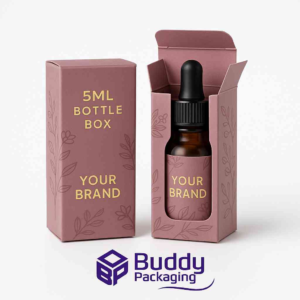
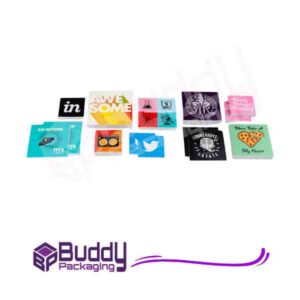
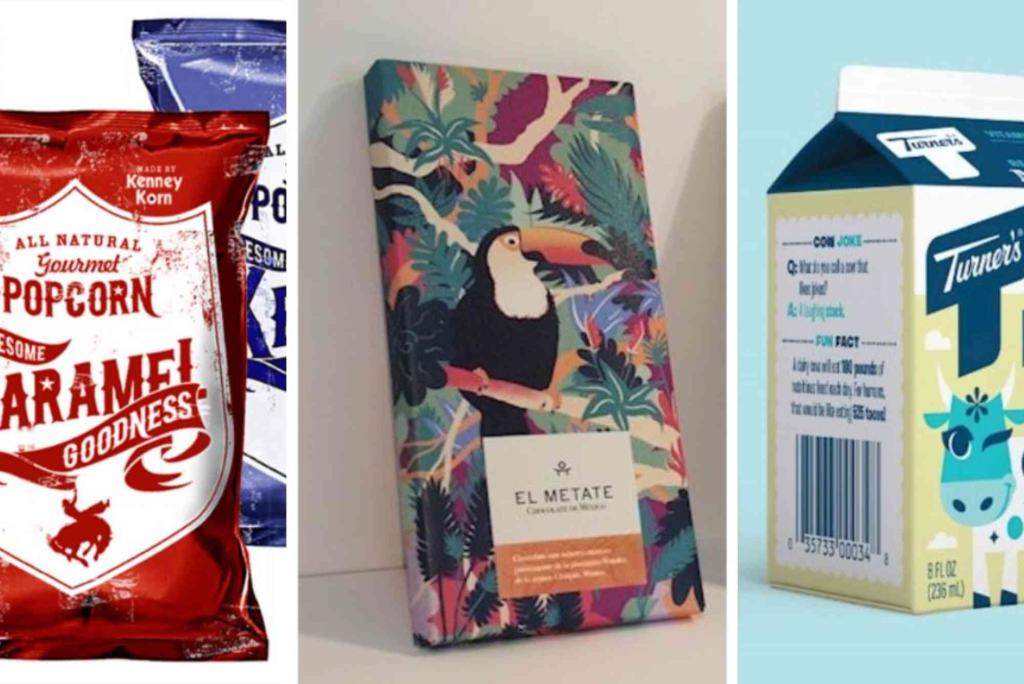
Visual elements like illustrations, patterns, and photos enhance storytelling. High-quality graphics attract attention and communicate the product’s features. Minimalist designs are trending, but detailed illustrations can work well for artisanal or premium products.
Logo Placement
A logo is a brand’s most recognizable symbol. Proper logo placement ensures visibility and reinforces brand identity. It should be prominent yet harmonious with other design elements.
Material Selection
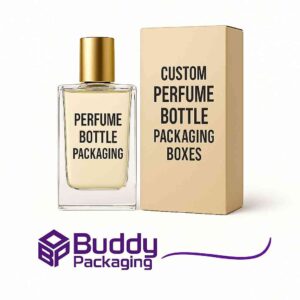
Packaging material impacts both perception and functionality. Cardboard, glass, plastic, and metal offer different tactile experiences and levels of protection. Sustainable materials are increasingly preferred by eco-conscious consumers.
Shape and Structure
The physical shape of packaging affects usability and shelf presence. Buddy Packaging Location Unique shapes differentiate products, while ergonomic designs improve handling. Innovative structures can enhance unboxing experiences, making the product memorable.
Finishes and Textures
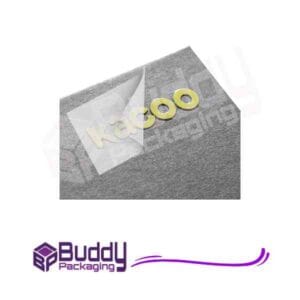
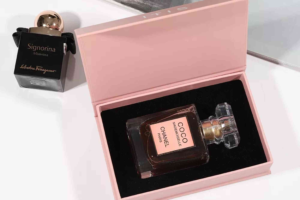
Special finishes like embossing, matte coating, and foil stamping add a tactile dimension. These details elevate perceived value and create a premium feel, enhancing the overall brand experience.
Labeling and Information
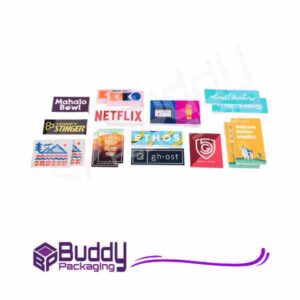
Clear labeling is essential for both compliance and customer guidance. Ingredients, usage instructions, and certifications should be easy to read. Effective labeling balances clarity with design aesthetics.
Branding Consistency
Consistency across all packaging reinforces brand identity. Using the same color schemes, fonts, and imagery ensures consumers instantly recognize the product. This builds trust and loyalty over time.
Tips for Effective Packaging Design
Creating standout packaging requires more than knowing the elements. Here are practical tips to apply them effectively:
Focus on Target Audience
Understand the preferences and expectations of your audience. Packaging for children, for example, might prioritize bright colors and playful graphics, while luxury products emphasize elegance.
Simplify the Design
Avoid overcrowding the package with excessive text or visuals. Minimalist designs are often more impactful and easier for customers to process quickly.
Incorporate Customization
Customized packaging enhances brand memorability. Personalized touches or limited-edition designs can create a unique connection with consumers. Consider exploring options for Custom Packaging to elevate your product’s appeal.
Seek Inspiration
Design trends evolve, but inspiration can come from multiple sources. Studying other successful brands or exploring creative packaging concepts online can spark ideas. Platforms for packaging design inspiration provide valuable insights.
Optimize for Display and E-commerce
Packaging must look good on shelves and online. High-quality images, consistent branding, and visually appealing layouts encourage purchases in both physical and digital stores.
Test and Refine
Before finalizing packaging, test different designs with focus groups or A/B testing online. Feedback ensures the design resonates with the target audience and meets functional requirements.
Effective packaging design combines aesthetics, functionality, and storytelling to attract consumers and strengthen brand identity. By understanding and implementing key packaging design elements, businesses can create packaging that not only protects products but also drives engagement and sales. If you want to elevate your brand’s packaging, explore opportunities for Custom Packaging, gather fresh packaging design inspiration, or visit a trusted provider like Buddy Packaging Location for expert solutions. Take action today and make your packaging a powerful marketing tool.
FAQ
What are the most important packaging design elements?
Key elements include color, typography, imagery, logo placement, material, shape, finishes, and labeling. Each element contributes to brand identity and consumer perception.
How does color influence packaging design?
Color evokes emotions and shapes perceptions. It can make a product stand out, communicate its purpose, and appeal to specific audiences.
Why is typography important in packaging?
Typography ensures readability, conveys brand personality, and creates visual hierarchy. Custom fonts can make packaging unique and memorable.
What role does packaging material play?
Material affects product protection, consumer experience, and sustainability. Eco-friendly materials are increasingly valued by modern consumers.
How can packaging design improve sales?
Effective packaging attracts attention, communicates value, and enhances the unboxing experience, encouraging purchases and repeat business.
Where can I find packaging design inspiration?
Online platforms and industry blogs offer a variety of examples. Observing successful brands and trends provides practical ideas.