Packaging Design Eco Friendly: A Sustainable Approach for Modern Brands
Packaging design eco friendly solutions are no longer a niche trend. They are now a core requirement for brands that want to stay competitive, responsible, and trusted. As consumers become more aware of climate change and waste, they expect companies to act with purpose. Packaging is often the first physical touchpoint between a brand and a customer, so it carries both environmental and emotional weight.
Eco friendly packaging design focuses on reducing environmental impact while still protecting products and enhancing brand value. It blends smart material choices, thoughtful design, and ethical production methods. In today’s market, sustainable packaging is not just good for the planet. It is also good for business, reputation, and long-term growth.
Understanding Packaging Design Eco Friendly
Packaging design eco friendly refers to creating packaging that minimises harm to the environment across its entire lifecycle. This includes sourcing materials responsibly, reducing waste, lowering carbon emissions, and ensuring disposal or recycling is easy for consumers.
Unlike traditional packaging, eco friendly packaging design considers what happens after the product is used. Designers think about reuse, recyclability, and biodegradability from the start. This approach reduces landfill waste and supports a circular economy. Sustainable packaging design is not limited to one material or style. It can involve paper-based packaging, plant-based plastics, recycled materials, or even innovative compostable solutions. The key is balance between protection, usability, cost, and environmental impact.
Why Packaging Design Eco Friendly Matters Today
The importance of packaging design eco friendly has grown rapidly due to environmental, social, and regulatory pressures. Governments across the UK and Europe are tightening rules around plastic waste and packaging disposal. Brands that fail to adapt risk fines and loss of consumer trust.
Consumers are also driving this shift. Studies show that many shoppers prefer brands that demonstrate sustainability. Eco friendly packaging influences buying decisions, especially among younger audiences. It signals responsibility and care beyond profit. From a business perspective, sustainable packaging can reduce material costs and shipping expenses. Lighter packaging uses less fuel during transport. Efficient designs also reduce storage space. Over time, these savings add up.
Key Principles Behind Eco Friendly Packaging Design
Packaging design eco friendly relies on several core principles that guide every stage of development. One essential principle is material reduction. Using less material without compromising strength is always a priority. Slimmer designs and minimal layers help achieve this. Another principle is responsible sourcing. Materials should come from renewable or recycled sources. FSC-certified paper and recycled cardboard are common choices. These options support sustainable forestry and reduce reliance on virgin resources.
Recyclability is equally important. Packaging should be easy to recycle using standard local systems. Clear labelling helps consumers dispose of packaging correctly. Avoiding mixed materials also improves recycling success. Durability and reuse play a role as well. Reusable packaging extends product life and reduces waste. When packaging is attractive and practical, customers are more likely to keep it.
Materials Used in Packaging Design Eco Friendly
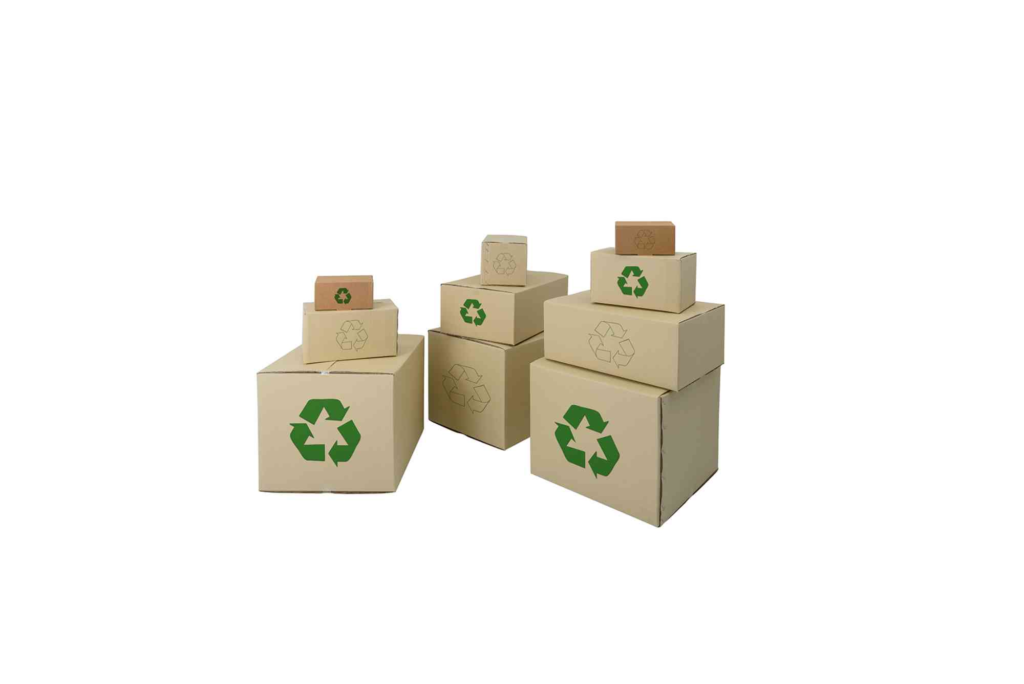
Choosing the right materials is central to eco friendly packaging design. Cardboard and paper remain popular due to their recyclability and versatility. They are suitable for many industries, from retail to food. Recycled materials are another strong option. Using post-consumer recycled content lowers environmental impact and supports recycling systems. Many brands proudly highlight recycled content on their packaging.
Biodegradable and compostable materials are gaining attention. These materials break down naturally under the right conditions. However, designers must ensure they are suitable for the product and disposal infrastructure. Plant-based plastics, such as those made from cornstarch or sugarcane, offer alternatives to traditional plastics. While not perfect, they can reduce dependence on fossil fuels when used correctly.
The Role of Design in Sustainable Packaging
Packaging design eco friendly is not only about materials. Design choices play a major role in sustainability. Smart structural design can reduce material use while maintaining protection. Flat-pack designs lower shipping emissions and storage needs.
Visual design also matters. Minimal ink coverage reduces chemical use and improves recyclability. Water-based inks and natural dyes are safer for the environment and workers.
Clear communication is another design element. Packaging should educate consumers about sustainability efforts. Simple instructions on recycling or reuse build trust and encourage responsible behaviour. For brands looking to combine sustainability with brand identity, investing in thoughtful design is essential. High-quality eco friendly packaging still needs to look professional and appealing.
Customisation and Eco Friendly Packaging
Many businesses believe sustainable packaging limits creativity. In reality, custom solutions often enhance eco friendly goals. Tailored packaging reduces waste by fitting products precisely. This avoids excess fillers and unnecessary materials.
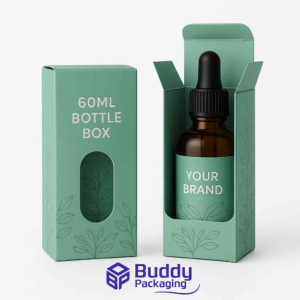
Custom packaging also strengthens brand identity. By working with specialists, brands can create packaging that reflects values and sustainability commitments. Options like Custom Packaging allow companies to choose eco friendly materials while maintaining unique branding.
Custom designs support better logistics too. Optimised dimensions improve pallet efficiency and reduce transport emissions. This makes customisation a smart choice for both sustainability and efficiency.
Inspiration for Sustainable Packaging Design
Designers often look for creative direction when developing eco friendly packaging. Seeing real-world examples helps spark ideas and innovation. Exploring platforms dedicated to packaging trends can provide valuable insights.
Websites that showcase global packaging concepts highlight how brands balance sustainability and aesthetics. Visiting resources focused on packaging design inspiration can help designers understand how eco friendly principles translate into successful designs. Inspiration is especially useful when trying to avoid greenwashing. Authentic examples show how sustainability can be integrated honestly and effectively.
Challenges in Eco Friendly Packaging Design
While packaging design eco friendly offers many benefits, it also comes with challenges. Cost is often a concern, especially for small businesses. Some sustainable materials can be more expensive upfront. Performance is another challenge. Packaging must protect products during shipping and storage. Designers need to test materials thoroughly to ensure durability.
Consumer behaviour also affects success. Even recyclable packaging can end up in landfill if not disposed of correctly. Clear messaging and education help overcome this issue. Despite these challenges, ongoing innovation continues to improve accessibility and affordability. As demand grows, eco friendly options become more competitive.
Packaging Design Eco Friendly and Brand Trust
Trust is a valuable asset in modern marketing. Packaging design eco friendly helps build this trust by showing commitment to environmental responsibility. Consumers can easily spot empty claims, so transparency is crucial.
Brands should communicate clearly about materials, sourcing, and disposal. Honest messaging strengthens credibility. Third-party certifications also add reassurance.
Local presence can further enhance trust. Showing where a company operates and produces packaging humanises the brand. Sharing information such as the Buddy Packaging Location helps customers feel connected and confident.
Future Trends in Eco Friendly Packaging Design
The future of packaging design eco friendly looks promising. Innovations in materials science continue to expand options. Mushroom-based packaging and seaweed films are emerging alternatives.
Technology also plays a role. Digital printing reduces waste and allows short production runs. Smart packaging can provide information without extra materials.
Regulations will likely push further change. Brands that invest early in sustainable packaging will be better prepared for future requirements. Consumer expectations will continue to rise. Eco friendly packaging will shift from a differentiator to a standard requirement across industries.
Embracing Packaging Design Eco Friendly
Packaging design eco friendly is no longer optional for brands that want to remain relevant and responsible. It reflects a commitment to the environment, customers, and future generations. By choosing sustainable materials, optimising design, and communicating honestly, brands can make a real impact.
Eco friendly packaging design also supports business growth. It strengthens brand identity, builds trust, and aligns with evolving consumer values. As technology and innovation continue to advance, sustainable packaging will become even more accessible.
FAQs
What is eco friendly packaging design?
Eco friendly packaging design focuses on reducing environmental impact through sustainable materials, efficient design, and responsible disposal. It considers the full lifecycle of packaging.
Why is eco friendly packaging important for brands?
It builds consumer trust, meets regulatory demands, and reduces environmental harm. It can also lower long-term costs and improve brand reputation.
Is eco friendly packaging more expensive?
Initial costs can be higher, but long-term savings often balance this. Reduced material use and shipping efficiency help control expenses.
Can eco friendly packaging still look premium?
Yes, sustainable packaging can be high-quality and visually appealing. Thoughtful design and materials achieve both aesthetics and responsibility.
How do consumers recycle eco friendly packaging?
Most eco friendly packaging is designed for standard recycling systems. Clear instructions on the packaging help consumers dispose of it correctly.