Packaging Design and Printing: Transforming Your Brand’s Presence
In today’s competitive market, packaging is more than a container; it’s a vital marketing tool. Effective packaging design and printing not only protects the product but also communicates brand values and captures consumer attention. Businesses investing in innovative packaging can influence buying decisions, enhance brand recognition, and increase customer loyalty. Understanding the intersection of design, materials, and printing technology is essential for creating packaging that truly stands out.
The Importance of Packaging Design
Packaging serves as the first physical interaction a customer has with a product. A well-crafted design communicates quality, builds trust, and sets expectations. In essence, it tells a story without words.
Enhancing Brand Identity
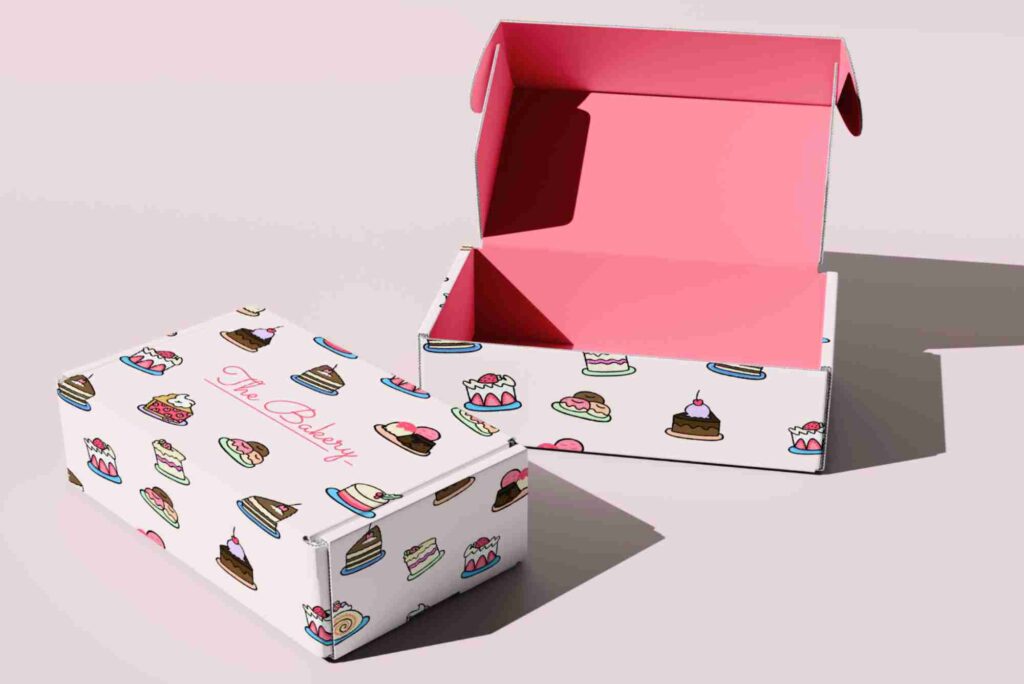
A cohesive packaging design reinforces a brand’s identity. Colours, typography, and logo placement all work together to create a visual language that customers recognise instantly. A consistent design approach helps brands establish a strong presence across multiple products and channels.
Capturing Consumer Attention
Retail shelves are crowded, and first impressions matter. Packaging that combines visual appeal with functional design draws attention and encourages trial. Incorporating unique shapes, textures, or finishes can make products memorable, influencing purchasing behaviour.
Improving Product Perception
High-quality materials and professional printing elevate a product’s perceived value. Consumers often equate premium packaging with premium quality. Thoughtful design and precise printing reinforce trust and convey that a brand cares about details.
Printing Techniques in Packaging
Printing is a critical component of packaging design. The right technique ensures the visuals translate accurately from digital concepts to physical products.
Digital Printing
Digital printing offers flexibility and quick turnaround times. It is ideal for short runs, seasonal products, or limited editions. Its high resolution allows for intricate designs and vibrant colours without excessive setup costs.
Offset Printing
Offset printing remains popular for large-scale production. It delivers consistent colour quality and is cost-effective for high-volume orders. This technique works well for traditional packaging shapes and complex designs.
Specialty Finishes
Specialty finishes such as embossing, foiling, and spot UV coating enhance tactile appeal. These effects catch light and create a premium look, adding a sense of luxury and exclusivity to packaging.
Choosing Materials for Packaging
Material selection is pivotal in packaging design and printing. Sustainability, durability, and aesthetics must be considered.
Paper and Cardboard
Paperboard is versatile and eco-friendly, offering easy printability. Its stiffness and surface finish can be customised for different product categories.
Plastics and Films
Plastics offer durability and flexibility. They are suitable for products requiring protection from moisture, dust, or impact. Innovations in biodegradable films are making plastic packaging more sustainable.
Specialty Materials
Materials such as metal, glass, or kraft provide unique tactile experiences. Luxury brands often use these to convey exclusivity and strengthen brand positioning.
The Role of Customisation
Customisation is key to standing out in a saturated market. Tailored solutions ensure that packaging aligns with brand identity and customer expectations. Customisation extends beyond visuals to include structural design, size, and interactive elements. Working with professional services can provide access to the latest trends in custom packaging and technology, helping brands achieve a competitive edge.
Trends Shaping Packaging Design and Printing
The packaging industry is constantly evolving, driven by consumer preferences, technology, and sustainability demands.
Sustainable Packaging
Eco-conscious consumers increasingly prefer packaging made from recycled or biodegradable materials. Sustainable packaging not only reduces environmental impact but also strengthens brand reputation.
Minimalism and Clarity
Minimalist designs emphasise clarity and simplicity. Clean lines, restrained colour palettes, and strategic typography help communicate key messages quickly.
Interactive and Experiential Packaging
Augmented reality, QR codes, and interactive elements create memorable experiences. These innovations encourage engagement and social sharing, expanding brand reach organically.
Design Inspiration Sources
Designers often seek packaging design inspiration to explore new ideas and keep up with industry trends. Examining case studies, attending trade shows, and analysing competitors can spark creativity and inform effective design decisions.
Integrating Packaging With Marketing
Packaging works best when aligned with broader marketing strategies. Its role extends beyond the product to create cohesive storytelling.
Consistency Across Channels
Ensuring packaging reflects digital and offline campaigns strengthens brand recognition. Consistent visuals and messaging across e-commerce sites, social media, and retail locations enhance the customer experience.
Packaging as a Marketing Tool
Creative packaging can encourage user-generated content. Social media users are more likely to share visually striking products, amplifying organic reach. Campaigns integrating packaging with loyalty programs or limited editions can boost sales.
Analytics and Feedback
Collecting customer feedback on packaging can inform future design iterations. Surveys, online reviews, and in-store observations help brands refine functionality, usability, and visual appeal.
Printing and Packaging Challenges
While the possibilities are vast, businesses face challenges in achieving high-quality results.
Colour Accuracy
Achieving consistent colours across production batches requires meticulous calibration and quality control. Incorrect colours can dilute brand identity and confuse consumers.
Material Compatibility
Not all printing techniques work with every material. Understanding the interaction between inks, coatings, and substrates is crucial to avoid smudging or fading.
Cost Management
Balancing aesthetics with cost efficiency is often a challenge. Using innovative materials or complex finishes may enhance appeal but increase production expenses.
Choosing the Right Packaging Partner
Selecting a reliable printing and packaging service ensures your designs translate into high-quality products. Consider factors like experience, technology, portfolio, and turnaround times. Local providers can offer personalised service and better quality control. Visiting a Buddy Packaging Location can provide hands-on insights into material options and printing capabilities.
Effective packaging design and printing is more than decoration; it is a strategic investment that enhances brand identity, attracts customers, and increases sales. By integrating thoughtful design, quality printing, and sustainable practices, businesses can create packaging that resonates with consumers and elevates the brand experience.
If you are ready to transform your product presentation and make a lasting impact, explore professional custom packaging solutions today.
buddypackaging.co.uk offers innovative and eco-friendly packaging solutions for businesses of all sizes. From custom boxes to sustainable materials, they help brands stand out while caring for the environment. Their expert team ensures high-quality, reliable, and stylish packaging that meets every need.
FAQ
What is packaging design and printing?
Packaging design and printing is the process of creating visually appealing and functional packaging using creative design and professional printing techniques.
How does packaging design affect sales?
Packaging influences consumer perception and first impressions. Well-designed packaging can increase product desirability and drive purchase decisions.
What materials are used in packaging design?
Common materials include paperboard, plastics, glass, metals, and specialty substrates. Material choice impacts durability, aesthetics, and sustainability.
How can I find packaging design inspiration?
Designers often look at case studies, competitor products, and online design galleries to spark creativity and explore current trends.
Why is custom packaging important?
Custom Packaging aligns with brand identity, differentiates products from competitors, and provides a unique customer experience.
Where can I see high-quality packaging solutions?
Visiting a Buddy Packaging Location allows businesses to explore material options, printing techniques, and finishes in person.