Introduction
Packaging design and manufacturing play a critical role in shaping how consumers perceive a brand. From the moment a customer sees your product, the packaging communicates value, quality, and identity. Whether it’s the sleek sophistication of luxury goods or the eco-conscious appeal of sustainable materials, every element of packaging design tells a story. In today’s competitive market, mastering the art and science of packaging design and manufacturing can make the difference between a product that stands out and one that gets overlooked.
Understanding Packaging Design and Manufacturing
At its core, packaging design combines creativity and functionality. It’s about crafting a visual identity that connects emotionally while ensuring protection, convenience, and usability. Manufacturing, on the other hand, focuses on transforming design concepts into physical products through efficient processes, materials, and technology. Together, they form a complete system that delivers both aesthetic appeal and practical performance.
The Role of Design in Packaging
Design is the soul of packaging. It involves choosing colours, typography, shapes, and materials that reflect brand values. A well-designed package draws attention, communicates information clearly, and encourages purchase. But design doesn’t stop at looks—it also enhances usability. Easy-open seals, ergonomic handles, and eco-friendly materials are all part of thoughtful packaging design.
For creative ideas and visual references, brands often explore packaging design inspiration from global designers. This helps them understand what works in their industry and how to innovate effectively.
The Manufacturing Perspective
Once the design is finalized, the manufacturing phase turns imagination into reality. Manufacturers must balance cost, quality, and sustainability. They use advanced printing technologies, precision cutting, and automated assembly lines to ensure consistency and scalability. Packaging manufacturers work closely with designers to maintain accuracy, as even minor deviations can affect brand integrity or shelf appeal.
Key Elements of Effective Packaging Design
Successful packaging isn’t accidental—it’s strategic. The process involves several critical elements that ensure design and manufacturing align with brand goals and consumer expectations.
Brand Identity and Visual Consistency
Your packaging is often the first interaction customers have with your brand. Every detail, from colour palette to font choice, contributes to recognition. A consistent visual identity across product lines builds trust and familiarity. For instance, a luxury skincare brand might use minimalist typography and premium matte finishes, while a health drink may favor bright colours and bold graphics to communicate energy and vitality.
Material Selection and Sustainability
Sustainability is no longer optional—it’s a necessity. Eco-friendly materials such as recycled cardboard, biodegradable plastics, and plant-based inks are in high demand. Brands embracing sustainable packaging not only reduce environmental impact but also attract conscious consumers. Manufacturing teams today invest in lightweight materials that lower shipping costs and reduce carbon footprints without compromising durability.
Functionality and Protection
Designing packaging that looks good is important, but protecting the product is essential. Functionality ensures the packaging can withstand handling, storage, and transportation. Engineers and designers collaborate to create structures that prevent damage and make unboxing easy and enjoyable. The goal is to combine form and function seamlessly.
Innovation and Technology
Modern packaging manufacturing embraces innovation—from smart packaging with QR codes to digitally printed boxes that allow customisation. Digital printing has revolutionized small-batch production, enabling brands to test new designs quickly without massive investment. As technology advances, the line between design and manufacturing continues to blur, allowing for greater creativity and flexibility.
The Process of Packaging Design and Manufacturing
The journey from concept to consumer involves several well-coordinated stages. Each stage requires collaboration between designers, manufacturers, and marketing teams to ensure the final product aligns with the brand vision.
Concept and Strategy
Every successful packaging project begins with a clear strategy. This stage involves understanding the target audience, product requirements, and competitive landscape. Designers create sketches and mockups that align with marketing objectives and brand identity.
Design Development
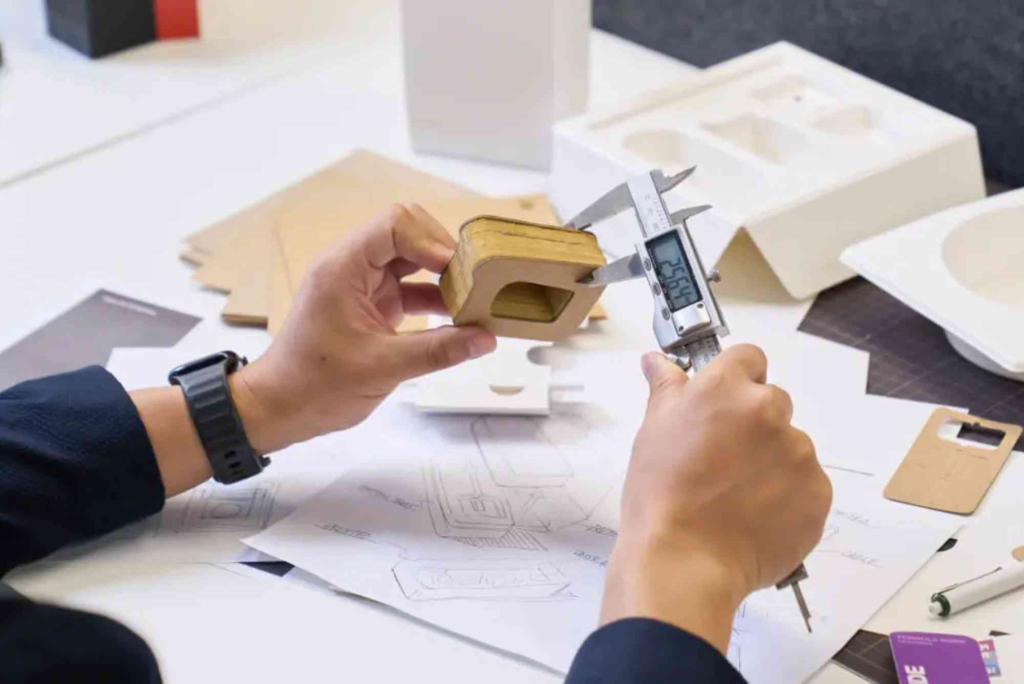
Once the concept is approved, the detailed design process begins. This phase covers layout, graphics, typography, and structural engineering. 3D modeling and prototyping tools allow stakeholders to visualize the product before production. Adjustments are made based on feedback to ensure perfection in aesthetics and usability.
Manufacturing and Production
In the manufacturing stage, the design is transferred to production machinery. Materials are sourced, printed, cut, and assembled using automated systems for precision. Manufacturers follow strict quality control to ensure every piece meets design specifications. The integration of digital printing and automated packaging lines has improved speed and accuracy, making even complex packaging feasible on large scales.
Quality Assurance and Testing
Quality control ensures that packaging performs as expected. This involves stress testing, drop tests, and checking for colour accuracy. The goal is to confirm that the final product is durable, functional, and visually consistent with the original design.
Why Packaging Design and Manufacturing Matter
Packaging is more than a container—it’s a marketing tool, a brand ambassador, and a silent salesperson. In retail environments, where customers make split-second decisions, packaging design can determine whether a product is picked up or ignored.
A well-executed packaging strategy improves brand recall, builds emotional connections, and enhances perceived value. Moreover, the manufacturing process ensures that these designs are scalable and sustainable for long-term success.
Businesses that invest in high-quality packaging often experience increased customer loyalty and repeat purchases. Whether through Custom Packaging tailored to brand needs or through eco-friendly materials that reflect responsible values, effective packaging reinforces brand trust and visibility.
Challenges in Packaging Design and Manufacturing
Despite technological advancements, challenges remain. One major issue is balancing creativity with cost-efficiency. Innovative designs often require specialized materials or production techniques that can raise expenses. Manufacturers must find ways to maintain quality without inflating budgets.
Sustainability also presents complexities. While biodegradable materials are desirable, they may not always provide the same durability as traditional options. Brands need to work closely with suppliers to find solutions that align with both environmental goals and performance requirements.
Another challenge lies in keeping up with consumer trends. Minimalist aesthetics, digital personalisation, and eco-conscious messaging constantly evolve. Brands that adapt quickly to these shifts gain a competitive advantage.
Emerging Trends in Packaging Design and Manufacturing
The future of packaging is shaped by innovation, sustainability, and personalisation. Digital tools now allow brands to customise packaging for specific audiences, enhancing engagement. Smart packaging using NFC tags or QR codes connects consumers directly to brand stories, tutorials, or promotions.
Sustainability remains at the forefront. The use of recyclable, compostable, and reusable materials continues to rise. In manufacturing, automation and AI are improving efficiency and reducing waste, ensuring more precise and eco-friendly production processes.
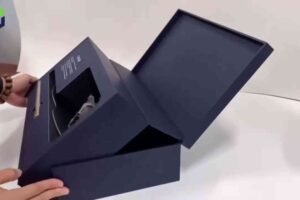
Moreover, experiential packaging—focused on the unboxing experience—is gaining traction. From subscription boxes to luxury goods, brands are designing packaging that turns unboxing into a memorable event.
Companies like Buddy Packaging have set benchmarks in quality and service by offering tailored packaging solutions for businesses across industries. Their expertise in design and manufacturing ensures brands receive innovative, durable, and visually compelling packaging. You can visit Buddy Packaging Location to explore their services and see how professional packaging can transform your brand’s market presence.
FAQs
What is the process of packaging design and manufacturing?
It involves conceptual design, prototype development, material selection, and large-scale manufacturing. Each step ensures visual appeal, functionality, and brand alignment.
Why is packaging design important for brands?
Packaging design influences first impressions, communicates brand values, and affects purchasing decisions. It’s a key factor in building brand identity.
How do companies ensure packaging sustainability?
They use recycled materials, biodegradable options, and energy-efficient manufacturing techniques to reduce environmental impact.
What materials are most commonly used in packaging manufacturing?
Cardboard, corrugated fiberboard, plastic, glass, and biodegradable polymers are among the most common materials.
Can packaging design affect product sales?
Yes. Attractive, functional, and brand-aligned packaging increases shelf appeal and drives consumer confidence, directly impacting sales.
In today’s crowded marketplace, packaging design and manufacturing are more than operational necessities—they’re strategic advantages. From concept to completion, every stage contributes to how your brand is perceived and remembered. Investing in professional packaging design not only protects your product but also elevates your brand presence and customer experience.