Packaging Branding Design: Building Brands Through Creative Packaging
Packaging branding design is more than just a wrapper for a product. It is the first impression a customer has of a brand, a silent ambassador that communicates values, quality, and uniqueness. In today’s competitive marketplace, businesses cannot afford to ignore the importance of packaging as a branding tool. From colours schemes to typography, every design choice tells a story. When done right, packaging branding design has the power to transform a product from just another item on the shelf into a must-have purchase.
The Importance of Packaging Branding Design
Packaging is often referred to as the “silent salesman” because it communicates with consumers without words. It has the ability to evoke emotions, convey brand values, and build trust. In fact, studies show that customers make purchasing decisions within seconds of seeing a product, and packaging plays a critical role in that choice. A well-executed packaging branding design differentiates a brand from competitors, creates recognition, and builds loyalty over time.
Beyond aesthetics, packaging also reflects the quality of the product. Consumers often perceive beautifully designed packaging as an indication of higher product quality. This makes the design process an essential element of any brand’s marketing strategy.
Key Elements of Packaging Branding Design
Colors and Visual Identity
Colours are central to packaging branding design. They influence emotions and perceptions. For example, blue is often associated with trust and reliability, while green signifies nature and sustainability. The choice of colours should align with a brand’s identity and message. A strong visual identity ensures that packaging is immediately recognizable and consistent across product lines.
Typography and Readability
Typography may seem like a minor detail, but it plays a vital role in communicating brand personality. Elegant serif fonts may suggest luxury, while bold sans-serif fonts give a modern and approachable look. Readability is equally important; consumers should be able to understand key product details at a glance.
Materials and Sustainability
Consumers today are more eco-conscious than ever. Using sustainable materials in packaging branding design not only benefits the environment but also appeals to socially responsible customers. Brands that adopt recyclable, biodegradable, or reusable packaging send a strong message about their values.
Shape and Functionality
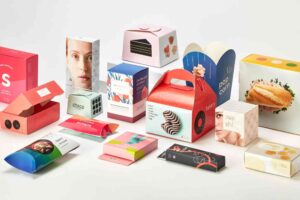
A product’s packaging shape can make it stand out. Unique designs attract attention and improve user experience. However, functionality should never be sacrificed for creativity. Packaging must protect the product while being easy to use and store.
The Role of Storytelling in Packaging Branding Design
Great packaging goes beyond visuals; it tells a story. Storytelling creates emotional connections, helping customers feel aligned with a brand. For example, packaging that highlights a brand’s heritage or commitment to sustainability builds trust and loyalty. By weaving storytelling into design elements—such as illustrations, taglines, or imagery—brands can create packaging that resonates on a deeper level.
How Packaging Branding Design Impacts Consumer Behavior
When customers pick up a product, they instantly form perceptions based on its packaging. A well-designed package creates curiosity and motivates purchase. Conversely, poor packaging can create doubts about product quality. Design affects how consumers view value, luxury, and trustworthiness. Packaging also has a strong recall value; when people see the same design repeatedly, they associate it with consistency and reliability.
Modern Trends in Packaging Branding Design
Minimalism and Simplicity
Modern consumers appreciate clean, simple packaging that communicates essential information without overwhelming them. Minimalist designs often use neutral colours, clear typography, and plenty of white space to create a sophisticated look.
Personalisation
Personalized packaging adds a human touch. Brands that allow customers to add names, custom labels, or personalized messages create memorable experiences. This strategy strengthens emotional connections and increases brand loyalty.
Interactive and Smart Packaging
With technology advancing, interactive packaging has emerged. QR codes, NFC chips, or augmented reality features can turn packaging into a digital experience. These elements allow consumers to access additional information, promotions, or storytelling.
Sustainability as a Core Focus
Eco-friendly packaging is not just a trend—it’s becoming a standard. Brands are embracing recyclable paper, plant-based plastics, and compostable materials to appeal to environmentally conscious buyers.
Packaging Branding Design and Brand Consistency
Consistency is key to effective branding. Packaging should reflect the same tone, colours, and imagery across all product categories. This consistency reinforces recognition and builds trust. For example, when consumers see Coca-Cola’s red can or Apple’s sleek minimalist box, they immediately know the brand without reading the name. Consistency ensures that packaging becomes a reliable symbol of brand identity.
Finding Inspiration for Packaging Branding Design
Creativity in packaging often requires inspiration. Platforms like packaging design inspiration provide countless examples from around the globe, helping designers explore innovative concepts. Studying successful designs offers insight into what resonates with consumers while sparking new ideas.
The Connection Between Packaging and Marketing Strategy
Packaging is not separate from marketing; it is an extension of it. A cohesive packaging branding design enhances advertising campaigns, strengthens brand storytelling, and reinforces messages across digital and physical platforms. Whether showcased on social media or displayed on retail shelves, packaging should support the broader brand strategy.
The Role of Custom Packaging in Branding
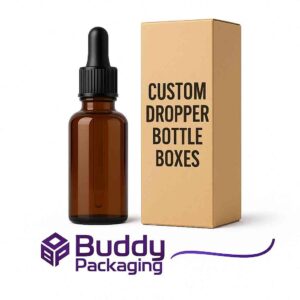
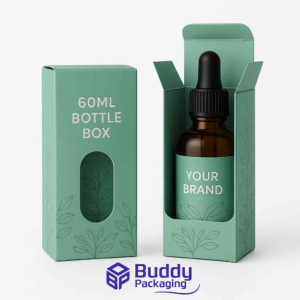
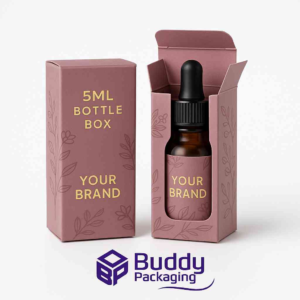
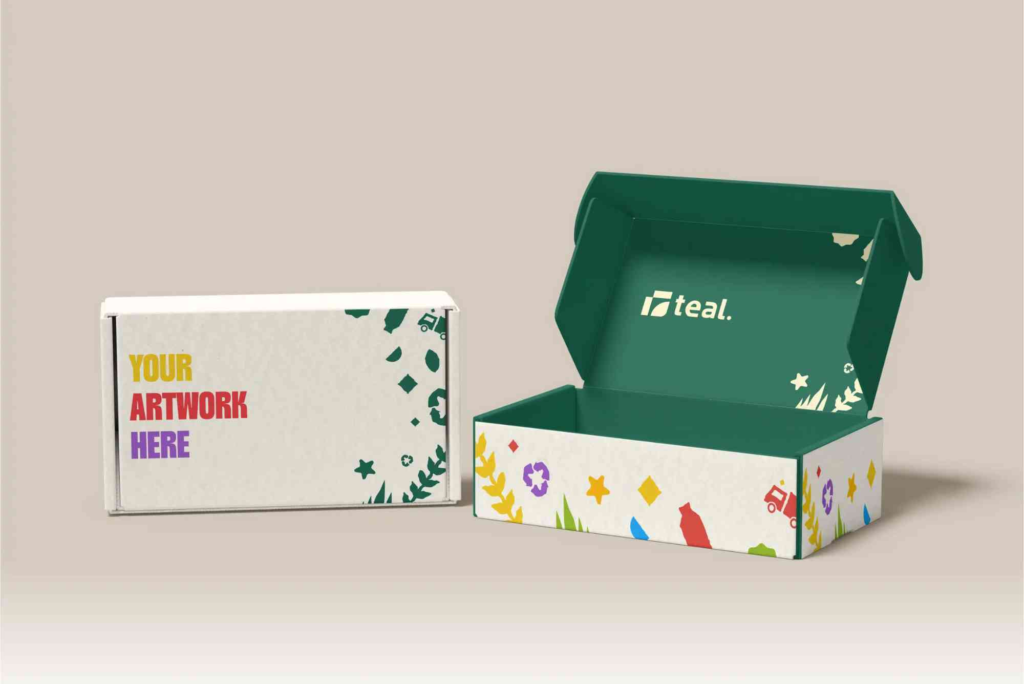
Standard packaging may be cost-effective, but it often lacks uniqueness. Custom Packaging allows brands to design boxes, labels, and materials tailored to their identity. Customisation provides flexibility in terms of design, colours, and shape, ensuring that products reflect the brand’s personality. It also helps create memorable unboxing experiences that customers love to share on social media, giving brands free promotion.
Choosing the Right Packaging Partner
Designing packaging requires expertise. Many businesses collaborate with specialized agencies or packaging companies that understand branding principles. Reliable partners guide businesses through material selection, sustainability practices, and printing techniques. For instance, Buddy Packaging Location is one example of a provider that helps brands bring creative packaging concepts to life.
Challenges in Packaging Branding Design
Despite its importance, packaging design comes with challenges. Balancing creativity with cost is a major concern, as unique materials and shapes can increase expenses. Compliance with regulations, especially in industries like food and cosmetics, also limits design choices. Furthermore, designing for sustainability while maintaining durability requires careful planning. Overcoming these challenges demands collaboration between designers, marketers, and manufacturers.
Packaging branding design is a powerful tool that bridges the gap between products and consumers. It shapes perceptions, drives purchasing decisions, and communicates brand values without words. By combining creativity with functionality, businesses can create packaging that not only protects but also promotes. In a world where competition is fierce and consumer attention is limited, brands that invest in thoughtful packaging design stand out and succeed. Whether through storytelling, sustainability, or customization, packaging offers endless opportunities to build lasting connections with customers. If you are ready to elevate your brand and create packaging that truly resonates, start exploring innovative design solutions today.
FAQs
What is packaging branding design?
Packaging branding design is the process of creating product packaging that reflects a brand’s identity, values, and message while appealing to consumers.
Why is packaging important for branding?
Packaging is often the first physical interaction customers have with a product. It communicates quality, builds recognition, and influences purchasing decisions.
How does packaging design affect consumer behavior?
Design influences perceptions of quality, trust, and value. Attractive, well-designed packaging makes consumers more likely to choose a product over competitors.
What makes packaging design effective?
Effective packaging combines visual appeal, clear communication, functionality, and consistency with brand identity. It should protect the product while attracting customers.
Is sustainable packaging important in branding?
Yes, eco-friendly packaging reflects responsibility and attracts environmentally conscious consumers. It strengthens brand reputation and long-term loyalty.
Can small businesses benefit from custom packaging?
Absolutely. Even small businesses can use custom packaging to stand out, create unique unboxing experiences, and build stronger brand recognition.