Mirror Printing Design: A Complete Guide for Modern Branding and Packaging
Mirror printing design has become an increasingly popular technique in modern printing and packaging. It combines creativity with technical precision to produce visually striking results. Businesses today use mirror printing design to stand out in competitive markets, especially in packaging, branding, and promotional materials.
Introduction to Mirror Printing Design
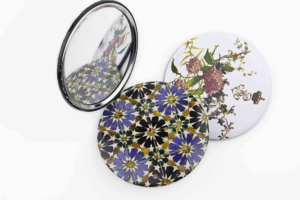
Mirror printing design refers to a printing method where text, images, or graphics are printed in reverse. When viewed directly, the design appears flipped. However, when applied to specific surfaces such as transparent materials, glass, acrylic, or mirrored substrates, the design reads correctly from the other side. This technique is widely used in packaging, signage, labels, and decorative prints.
The growing demand for unique visual effects has pushed designers to experiment with mirror printing design. It allows brands to create depth, sophistication, and a sense of exclusivity. Because of its technical nature, it also signals quality and attention to detail, which helps build trust with customers.
How Mirror Printing Design Works
Mirror printing design works by reversing the artwork digitally before printing. The printer then applies ink or toner onto the chosen surface in a specific order. In many cases, white ink or backing layers are added to enhance visibility and colour accuracy.
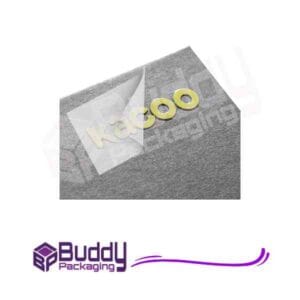
When printed on transparent materials, the mirrored design is usually applied to the back surface. The viewer sees the design through the material, which corrects the reversed orientation. This approach protects the print from scratches and fading, making it ideal for long-term use in packaging and displays.
Professional printers carefully adjust colour profiles and ink density. This ensures that the final result looks sharp and readable. Experience plays a key role here, as mirror printing design requires precise alignment and material knowledge.
Common Applications of Mirror Printing Design
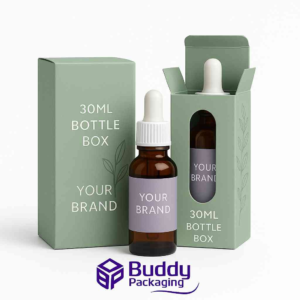
Mirror printing design is widely used across various industries. In packaging, it adds a premium feel to boxes, labels, and stickers. Cosmetic and luxury brands often use this technique to enhance shelf appeal. The reversed printing creates a clean outer surface while keeping the design protected inside.
Retail signage also benefits from mirror printing design. Shop windows, glass doors, and acrylic signs often feature reversed prints applied from the inside. This maintains a polished look while reducing exposure to weather and vandalism.
In branding, mirror printing design is frequently used for decals and promotional materials. Companies that invest in high-quality packaging often combine this technique with finishes such as foiling or spot UV. For businesses looking to elevate their packaging, exploring options like Custom Packaging through trusted suppliers can make a noticeable difference in presentation and brand perception.
Materials Used in Mirror Printing Design
The choice of material greatly affects the success of mirror printing design. Transparent and semi-transparent materials work best. Glass is a popular option for signage and decorative prints. Acrylic offers similar clarity but with more flexibility and durability.
Plastic films and clear vinyl are commonly used in packaging and labelling. These materials allow the reversed design to be viewed correctly from the front while remaining protected. Paper-based substrates can also be used, although they require special handling and backing layers. Ink selection is equally important. UV inks are often preferred because they cure quickly and adhere well to non-porous surfaces. White ink is frequently added behind the mirrored design to improve contrast and readability.
Benefits of Mirror Printing Design for Brands
One of the main benefits of mirror printing design is its visual appeal. It creates a smooth, professional finish that looks intentional and refined. Customers often associate such details with high-quality products and reliable brands. Durability is another advantage. Because the printed surface is often protected behind glass or plastic, the design lasts longer. This reduces maintenance costs and keeps branding consistent over time.
Mirror printing design also offers creative flexibility. Designers can experiment with layers, transparency, and lighting effects. This opens up new possibilities for storytelling and brand identity. When combined with strong packaging design tips, brands can create packaging that not only looks good but also communicates value and purpose effectively.
Mirror Printing Design in Packaging
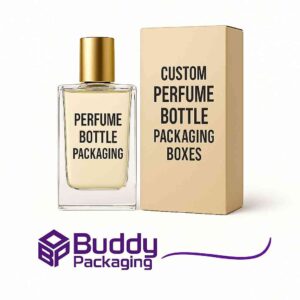
Packaging is one of the most impactful uses of mirror printing design. Clear boxes, windows, and labels benefit greatly from reversed printing. The technique allows brands to showcase products while maintaining clean and readable branding.
Food, cosmetics, and electronics brands often use mirror printing design to protect printed information. Ingredients, instructions, or logos printed on the inside of packaging remain untouched by handling. This improves hygiene and extends shelf life. From an SEO and marketing perspective, packaging plays a role in brand recall. When customers recognise and trust a brand’s packaging, they are more likely to return. Mirror printing design supports this by delivering a polished and consistent look across all touchpoints.
Design Considerations and Best Practices
Successful mirror printing design starts with careful planning. Designers must consider how the final product will be viewed. The orientation, lighting, and background all affect readability. Testing prototypes is essential to avoid costly mistakes. Typography should be clear and simple. Thin fonts may lose clarity when viewed through certain materials. Colour contrast also matters. Dark text on light backgrounds often works best for mirror printing design.
Collaboration between designers and printers is crucial. Experienced printers understand how different materials behave. Their input helps refine the design and ensures accurate reproduction. This practical knowledge aligns with Google’s E-E-A-T principles, as it reflects real-world expertise and experience.
Sustainability and Mirror Printing Design
Sustainability has become a key concern in packaging and printing. Mirror printing design can support eco-friendly goals when used thoughtfully. Printing on the inside of packaging reduces the need for additional protective coatings.
Many printers now offer eco-friendly inks and recyclable materials. Acrylic alternatives and biodegradable films are gaining popularity. Brands that prioritise sustainability can combine mirror printing design with responsible material choices to reduce environmental impact. Clear communication about sustainable practices also builds trust. Customers appreciate transparency and are more likely to support brands that align with their values.
Future Trends in Mirror Printing Design
The future of mirror printing design looks promising. Advances in digital printing technology continue to improve quality and efficiency. Higher resolution printers and better ink formulations allow for more detailed and vibrant designs. Personalisation is another growing trend. Brands are using mirror printing design for limited editions and customised packaging. This creates a sense of exclusivity and strengthens customer relationships.
Integration with smart packaging is also emerging. QR codes and interactive elements can be mirror printed onto transparent surfaces. When scanned, they provide additional information or digital experiences, bridging the gap between physical and digital branding.
Why Location and Expertise Matter
Choosing the right printing partner is essential for mirror printing design. Local expertise ensures better communication and faster turnaround times. Visiting a trusted supplier, such as checking the Buddy Packaging Location, helps businesses understand capabilities and quality standards before committing to large orders.
Experienced printers bring valuable insights into material selection and design optimisation. Their guidance reduces errors and ensures the final product meets both aesthetic and functional goals.
Mirror printing design is more than a visual technique. It is a strategic tool that enhances branding, protects designs, and elevates packaging quality. When used correctly, it communicates professionalism and builds customer trust. Businesses looking to stand out should consider incorporating mirror printing design into their packaging and promotional materials. With the right materials, expert guidance, and thoughtful design, the results can be impressive and long-lasting.
If you are planning to upgrade your packaging or branding, now is the time to explore mirror printing design. Work with experienced professionals, apply proven design principles, and invest in quality. Your brand deserves to be seen clearly and remembered.
Boost your brand identity with Buddy Packaging UK, your trusted partner for custom logo printing and design. We create high-quality, personalized packaging that leaves a lasting impression. Visit our homepage to explore innovative printing solutions tailored to your business:
Frequently Asked Questions
What is mirror printing design used for?
Mirror printing design is used for packaging, signage, labels, and decorative prints. It is especially effective on transparent or mirrored surfaces where the design is viewed from the opposite side.
Is mirror printing design expensive?
The cost depends on materials, ink types, and print volume. While it can be slightly more expensive than standard printing, the added durability and premium look often justify the investment.
Can mirror printing design be used on paper?
Yes, but it requires special backing and careful handling. Transparent or semi-transparent materials usually produce better results for mirror printing design.
Does mirror printing design last longer?
In most cases, yes. Because the printed surface is protected behind the material, it is less exposed to wear, moisture, and scratches.
Is mirror printing design suitable for small businesses?
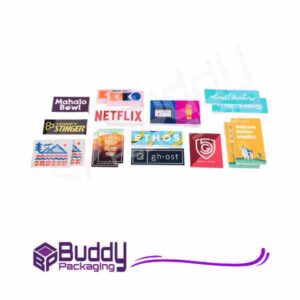
Absolutely. Many printers offer scalable solutions. Small businesses can use mirror printing design for labels, stickers, and packaging to create a strong brand presence without large budgets.