Introduction
A well-crafted medicine bottle label design template is more than just packaging — it’s a critical communication tool that ensures safety, compliance, and brand credibility. Whether you are a pharmaceutical startup, herbal brand owner, or contract manufacturer, the right template balances regulatory requirements with smart design principles.
In this comprehensive guide, we’ll explore how to create a professional medicine bottle label design template that meets industry standards while enhancing shelf appeal and consumer trust.
Why a Medicine Bottle Label Design Template Matters
A medicine label is not simply decorative. It plays a legal and medical role. A structured medicine bottle label design template ensures consistency, accuracy, and compliance across every batch you produce.
Regulatory Compliance
Pharmaceutical labels must include mandatory information such as:
- Drug name (generic and brand)
- Dosage strength
- Active ingredients
- Batch number
- Manufacturing and expiry dates
- Storage instructions
- Warnings and precautions
- Manufacturer details
A properly structured template ensures you never miss critical information. Regulatory authorities strictly evaluate labeling standards to prevent medication errors.
Patient Safety and Clarity
Clear typography, logical layout, and readable instructions reduce misuse. Small design mistakes — like poor contrast or cramped fonts — can cause serious confusion.
Brand Identity
Even pharmaceutical brands compete visually. A clean, professional medicine bottle label design template enhances brand recognition and builds long-term trust.
Key Elements of a Medicine Bottle Label Design Template
Designing a reliable template requires technical understanding and practical experience. Below are the essential components.
Product Name and Strength
This is the most visible element. It should:
- Use bold, legible fonts
- Highlight dosage strength clearly (e.g., 500mg)
- Avoid decorative fonts that reduce readability
Active Ingredients
List ingredients in descending order of concentration. For OTC medicines, this section is critical for allergy and interaction awareness.
Dosage Instructions
Instructions must be:
- Clear
- Age-specific (if applicable)
- Free of ambiguous abbreviations
For example, write “Take one tablet twice daily” instead of “1 tab BID.”
Warnings and Contraindications
Include warnings such as:
- Keep out of reach of children
- Not recommended during pregnancy
- Possible side effects
Your medicine bottle label design template should allocate sufficient space for warning text without overcrowding.
Legal and Manufacturing Information
This includes:
- Manufacturer name and address
- License number
- Batch/lot number
- Manufacturing date
- Expiry date
Consistency in placement ensures compliance audits go smoothly.
Design Principles for a Professional Medicine Bottle Label Design Template
Design in the pharmaceutical sector requires discipline and clarity.
Readability First
- Minimum 6–8pt font for small bottles
- Sans-serif fonts for better clarity
- Strong contrast (black text on white background is safest)
Avoid light gray fonts or decorative scripts.
Colour Psychology in Pharma
Colours influence perception:
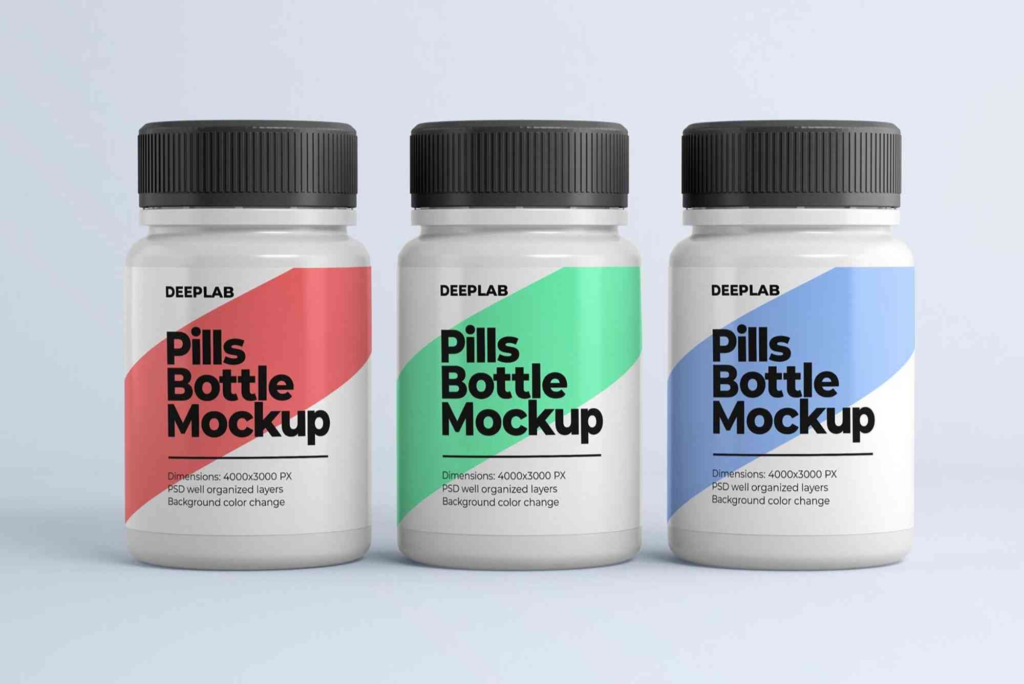
- Blue = trust and reliability
- Green = herbal/natural
- Red = caution or strength
However, never compromise legibility for aesthetics.
Hierarchy and Information Flow
Your template should follow this structure:
- Product Name
- Strength
- Usage Instructions
- Warnings
- Manufacturing Details
Logical flow improves usability.
Material and Printing Considerations
Even the best medicine bottle label design template can fail if printing quality is poor.
Label Material Options
- Paper labels (cost-effective)
- BOPP (moisture-resistant)
- Vinyl (durable)
- Tamper-evident materials
Pharmaceutical bottles often face humidity, refrigeration, and handling stress — so durability matters.
For deeper print & finishing insights, industry publications like print & finishing insights offer professional resources about label technologies and finishing techniques.
Finishing Techniques
- Matte lamination (professional look)
- Gloss coating (enhanced colours)
- Spot UV (highlighting brand name)
- Foil stamping (premium supplements)
Creating a Custom Medicine Bottle Label Design Template
If you want a high-quality template, follow this practical process.
Define Bottle Size
Measure:
- Bottle height
- Circumference
- Label wrap allowance
Always leave a small gap (2–3mm) to avoid overlapping.
Set Up Design Software
Use professional tools such as:
- Adobe Illustrator
- CorelDRAW
- InDesign
Set CMYK colour mode and 300 DPI resolution.
Add Bleed and Safety Margins
- 3mm bleed area
- 2–3mm safe zone inside trim line
This prevents text from being cut off.
Compliance Check
Before finalizing your medicine bottle label design template, verify all required legal details.
Custom Packaging Integration
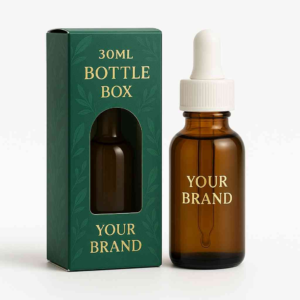
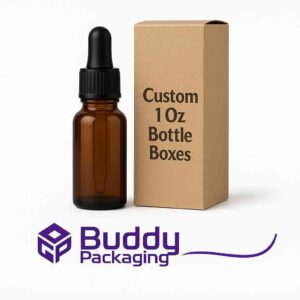
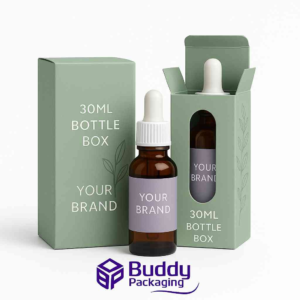
Your label design must align with outer packaging. If you’re also designing secondary packaging, consider pairing your label with branded cartons like Custom Bottle Boxes for a consistent visual identity.
Integrated branding improves shelf presence and customer recognition.
If you’re based in the UK and need local packaging support, you can explore the Buddy Packaging Location for consultation and production guidance.
Common Mistakes to Avoid
Even experienced designers sometimes overlook critical details in a medicine bottle label design template.
Overcrowding the Label
Too much information in small fonts reduces readability.
Ignoring Regulatory Updates
Pharmaceutical laws change. Always verify current guidelines.
Poor Contrast
Light text on coloured backgrounds can become unreadable under pharmacy lighting.
No Version Control
Every update to dosage or ingredients should reflect in a version-controlled template file.
Digital vs. Offset Printing for Medicine Labels
Choosing the right printing method depends on your production volume.
Digital Printing
- Ideal for short runs
- Faster turnaround
- Cost-effective for startups
Offset Printing
- Better for bulk orders
- Consistent colour accuracy
- Lower cost per unit at scale
Your medicine bottle label design template should be prepared according to the printing method you select.
How to Optimize Your Medicine Bottle Label Design Template for Branding
Pharmaceutical branding must remain subtle but strategic.
Add Trust Signals
- Quality certifications
- GMP symbols
- ISO marks (if applicable)
Use Consistent Typography
Avoid switching fonts across different medicines in the same product line.
Incorporate QR Codes
QR codes can link to:
- Detailed usage guides
- Lab reports
- Product verification pages
Real-World Example: Designing for Herbal Supplements
In my experience working with small supplement brands, the most common issue is trying to make labels “look trendy” instead of focusing on clarity.
A good medicine bottle label design template for herbal products should:
- Highlight “Natural” or “Herbal” claims responsibly
- Avoid misleading medical promises
- Keep ingredient lists transparent
Trust is built through clarity — not flashy graphics.
Future Trends in Medicine Bottle Label Design Template
The industry is evolving with:
- Smart labels with NFC chips
- Anti-counterfeit holograms
- Eco-friendly materials
- Variable data printing for serialization
A modern medicine bottle label design template should anticipate future regulatory and technological requirements.
Build a Compliant and Professional Medicine Bottle Label Design Template
A carefully designed medicine bottle label design template protects consumers, ensures compliance, and strengthens brand credibility. From layout hierarchy to material selection, every decision impacts safety and perception.
Whether you’re launching a new pharmaceutical product or upgrading existing packaging, invest in a structured, regulation-ready template that balances clarity and design excellence.
FAQs
What information is legally required on a medicine bottle label?
Most regions require the drug name, dosage, active ingredients, manufacturing details, expiry date, and safety warnings. Regulations vary by country, so always consult local authorities.
How big should a medicine bottle label be?
It depends on bottle size. Measure the circumference and leave a 2–3mm gap to avoid overlap. Small bottles require compact but readable typography.
What font is best for medicine labels?
Sans-serif fonts like Arial or Helvetica are preferred due to high readability.
Can I design a medicine bottle label template myself?
Yes, but you must understand compliance standards. If you lack regulatory knowledge, consult a professional designer or pharmaceutical compliance expert.
What material is best for medicine bottle labels?
BOPP and vinyl are excellent for moisture resistance, especially for refrigerated medicines.