Logo Printing Design: A Complete Guide to Building a Powerful Brand Presence
In today’s competitive market, logo printing design plays a vital role in shaping how a brand is seen and remembered. A logo is not just a symbol on a screen. It becomes a physical representation of your business when printed on packaging, stationery, apparel, and promotional items. When done correctly, logo printing design strengthens trust, improves recall, and creates a professional image that customers instantly recognise.
Businesses often invest heavily in logo creation but overlook how that logo translates into print. Colours can shift, details can disappear, and materials can change the entire feel. This is why understanding logo printing design is essential for any brand that wants consistency across digital and physical platforms. A well-prepared logo ensures clarity, durability, and visual impact, regardless of where it appears.
Understanding Logo Printing Design in Modern Branding
Logo printing design refers to the process of adapting a logo for physical printing across different materials and techniques. It involves considering colour models, resolution, scalability, and surface compatibility. Unlike digital logos, printed logos must deal with ink absorption, texture, and production limitations.
A strong logo printing design starts with flexibility. The logo should work equally well on cardboard, fabric, metal, and paper. This adaptability ensures that branding remains consistent across packaging, marketing materials, and merchandise. When customers see the same logo quality everywhere, it builds confidence in the brand.
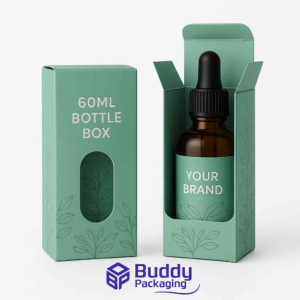
For businesses investing in Custom Packaging, a print-ready logo is essential. Packaging is often the first physical interaction a customer has with a brand. Poor printing can instantly reduce perceived value. High-quality logo printing design ensures that packaging reflects professionalism and attention to detail. You can explore premium packaging solutions through Custom Packaging by visiting .
Why Logo Printing Design Matters for Brand Recognition
Brand recognition relies heavily on repetition and consistency. Logo printing design ensures that your logo appears the same way every time, regardless of the medium. When colours are accurate and shapes are sharp, customers quickly associate those visuals with your brand values.
Printed logos are often seen in real-world environments where lighting and distance vary. A logo that looks great on a website may not perform well on a textured surface or under bright lighting. Logo printing design addresses these challenges by simplifying elements and ensuring strong contrast.
Professional logo printing design also supports long-term branding. As businesses grow, they expand into new products and markets. A well-designed print logo scales easily, saving time and cost on redesigns.
Key Elements That Influence Logo Printing Design
Colour accuracy is one of the most critical aspects of logo printing design. Print uses CMYK or spot colours, unlike RGB screens. Without proper conversion, colours can appear dull or inconsistent. Experienced designers prepare colour profiles to maintain brand integrity. Resolution is equally important. Logos must be created in vector formats to avoid pixelation. This allows the logo to be resized without losing quality, whether it appears on a business card or a large banner.
Material choice also impacts logo printing design. Matte surfaces soften colours, while glossy finishes enhance vibrancy. Fabric absorbs ink differently than paper. Understanding these differences ensures the logo looks intentional, not accidental.
Insights into printing processes and finishes can help brands make informed decisions. For industry updates and expert perspectives, print & finishing insights are available at.
Logo Printing Design for Packaging and Products
Packaging is one of the most powerful branding tools. Logo printing design on packaging must balance aesthetics with practicality. The logo should be placed where it is visible without interfering with legal or informational text.
Consistency across packaging sizes is crucial. A logo that looks good on a large box may lose clarity on smaller packaging. Designers often create variations of the logo specifically for print, ensuring readability at all sizes.
In retail environments, packaging competes for attention. Effective logo printing design uses contrast and spacing to stand out on shelves. When customers can instantly identify a brand, it increases the likelihood of repeat purchases.
Printing Techniques That Affect Logo Design
Different printing methods require different design considerations. Offset printing delivers high colour accuracy and is ideal for large runs. Digital printing offers flexibility for short runs and customisation. Screen printing works well for textiles but requires simplified designs.
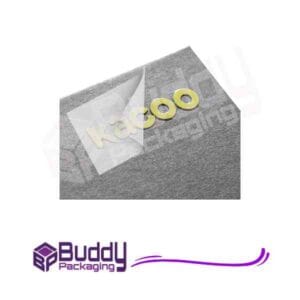
Foil stamping, embossing, and debossing add a premium feel but demand precise logo printing design. Fine details may not translate well with these techniques. Designers often adjust line thickness and spacing to achieve the desired effect.
Understanding these methods helps businesses choose the right approach for their branding goals. A logo designed with printing in mind reduces production errors and ensures consistent results.
Maintaining Brand Consistency Through Logo Printing Design
Brand guidelines play a vital role in logo printing design. These guidelines define colour codes, clear space, minimum sizes, and acceptable variations. They ensure that anyone printing the logo follows the same standards.
Consistency builds trust. When customers see the same logo quality across packaging, signage, and promotional materials, it reinforces brand reliability. Inconsistent printing can confuse customers and weaken brand identity.
Regular quality checks are also important. Print proofs allow businesses to review colours and placement before full production. This step prevents costly mistakes and ensures the logo meets expectations.
The Role of Location and Production in Print Quality
Where your printing is done can influence quality and turnaround time. Local production often allows better communication and faster revisions. It also supports quality control, as samples can be reviewed in person.
For businesses working with packaging suppliers, knowing their production location helps streamline logistics. You can find the Buddy Packaging Location here. Visiting or understanding the location can improve coordination and ensure that logo printing design standards are met.
Future Trends in Logo Printing Design
Sustainability is shaping the future of logo printing design. Brands are choosing eco-friendly inks and recyclable materials. Logos must adapt to these materials while maintaining clarity and impact.
Minimalism continues to influence logo printing design. Simple shapes and fewer colours print more reliably and reduce costs. These designs also perform better across different materials.
Personalisation is another growing trend. Variable data printing allows logos to be customised for campaigns while maintaining brand consistency. This approach enhances engagement without compromising identity.
Invest in Professional Logo Printing Design
Logo printing design is not an afterthought. It is a core part of branding that affects perception, recognition, and trust. A logo that prints well across all materials strengthens your brand presence and supports long-term growth.
By understanding colour management, resolution, materials, and printing techniques, businesses can avoid common pitfalls. Investing in professional logo printing design ensures that your brand looks polished and consistent everywhere it appears.
If you want your packaging, products, and marketing materials to leave a lasting impression, now is the time to review your logo printing design. Work with experienced designers and printers who understand the importance of quality and consistency. Take the next step and elevate your brand through thoughtful, print-ready logo design.
To create strong brand visibility and attract customer attention, investing in custom poster printing and design is a smart marketing choice. High-quality posters help communicate your message clearly while enhancing your brand’s visual appeal across stores, events, and exhibitions. With professional layouts and premium print finishes, poster printing and design services in the UK ensure your promotional materials stand out. Learn more about expert solutions by visitingcustom poster printing and design.
Frequently Asked Questions About Logo Printing Design
What is the best file format for logo printing design?
Vector formats such as AI, EPS, or PDF are best for logo printing design. They allow scaling without quality loss.
How do I ensure colour accuracy in printed logos?
Use CMYK or Pantone colour codes and request print proofs. This helps match printed colours with brand standards.
Can one logo work for all printing materials?
A well-designed logo can, but variations may be needed. Different materials and sizes often require slight adjustments.
Why does my logo look different in print than on screen?
Screens use RGB colour, while printing uses ink-based colour models. Without proper conversion, colours can change.
Is professional logo printing design worth the investment?
Yes. It reduces errors, ensures consistency, and enhances brand perception across all physical touchpoints.