Lino Printing Designs: Creative Ideas and Techniques for Beginners and Experts
Lino printing designs have fascinated artists, crafters, and designers for generations. This printmaking technique combines creativity with craftsmanship, producing bold, striking, and unique patterns. Whether you are just starting out or an experienced printmaker, lino printing designs open a world of endless artistic possibilities. The beauty of lino printing lies in its simplicity, affordability, and versatility, making it a favorite among art enthusiasts, textile designers, and even small business owners who wish to create custom prints.
What is Lino Printing and Why Does It Matter?
Lino printing, short for linoleum block printing, is a relief printmaking process where designs are carved into a linoleum sheet. The carved areas remain blank, while the raised surfaces are inked and pressed onto paper, fabric, or other surfaces. The result is a high-contrast design that often looks bold and textured.
This method has roots in traditional woodcut printing but became popular in the 20th century due to its affordability and ease of use. Artists like Picasso and Matisse experimented with lino printing, elevating it from a simple craft to a respected art form. Today, lino printing designs are widely used for decorative art, textiles, stationery, and even branding projects.
Tools and Materials for Lino Printing Designs
Every successful lino print begins with the right tools. While you do not need expensive equipment, having quality materials ensures better results. Essential tools include:
- Linoleum blocks or sheets for carving
- Sharp carving tools with different blade sizes
- Ink rollers or brayers for even application
- Printing inks in various colours
- Baren or spoon for manual pressing
- Paper, fabric, or other surfaces for printing
Many artists prefer soft-cut linoleum because it is easier to carve, especially for beginners. More experienced artists often use traditional linoleum, which allows for finer detail.
Techniques for Creating Stunning Lino Printing Designs
The real magic of lino printing lies in technique. While the basic principle is simple, experimenting with different methods can dramatically transform your work.
Carving Styles
There are two main carving approaches: subtractive and additive. In subtractive carving, you remove areas you do not want inked, leaving raised surfaces for printing. In additive carving, you carve intricate patterns that allow ink to flow into recessed areas, producing textured designs.
Inking and Pressing
Using a brayer, spread ink evenly on the lino block. Too much ink results in smudges, while too little creates patchy prints. Once inked, press the block firmly onto your chosen surface. Beginners often use a spoon or baren for hand pressing, while professionals may use a printing press for consistent results.
Colours Blending and Layering
One-colours prints are classic, but layering multiple colours adds complexity and depth. You can create gradient effects by blending inks directly on the roller or print different blocks in sequence for multi-colored designs.
Texture Play
Texture is vital in lino printing designs. Varying your carving depth, blade size, and stroke direction can create unique textures that add richness and detail to your final piece.
Inspiring Lino Printing Design Ideas
The scope for lino printing designs is limitless. From minimalist patterns to intricate storytelling prints, artists explore a wide range of themes.
Nature-Inspired Designs
Leaves, flowers, trees, and animals are popular motifs. Their organic shapes and textures translate beautifully into lino prints. Seasonal designs like autumn leaves or winter branches bring warmth and character to prints.
Geometric and Abstract Patterns
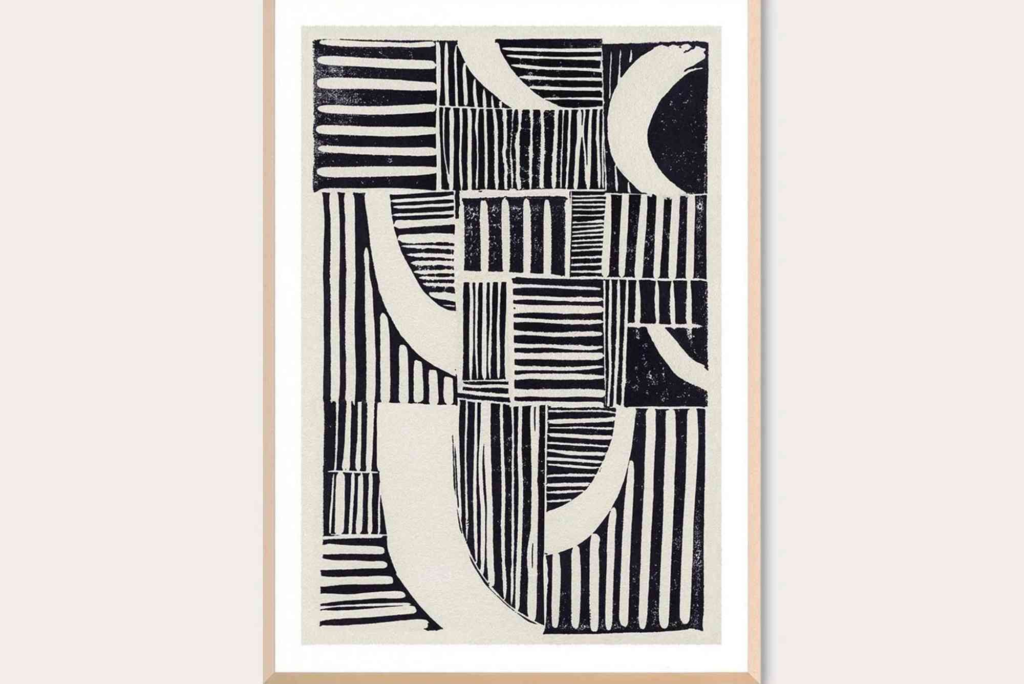
Bold lines, curves, and repeating shapes are ideal for creating modern and eye-catching lino printing designs. Abstract prints also allow artists to experiment freely without limitations.
Portraits and Figures
While more challenging, portraiture in lino printing can result in striking, expressive images. Simplified line work and careful carving highlight the contrast that makes portraits stand out.
Decorative Prints for Everyday Use
Beyond fine art, lino printing designs work well for practical purposes. Artists use them to create greeting cards, wrapping papers, textile prints, or even branding elements. Pairing lino printing with Custom Packaging can give handmade products a distinct, artistic identity, making them stand out in the market.
Lino Printing in Modern Design
The resurgence of handmade crafts has placed lino printing designs back in the spotlight. With growing interest in sustainable and artisanal practices, lino prints appeal to those seeking authenticity in art and design. Artists often showcase their lino printing work at craft fairs, online shops, and exhibitions. Many also collaborate with businesses for branding projects, bringing a handcrafted feel to professional identities.
For businesses looking for packaging design inspiration, lino printing designs provide a rich resource. The bold, handcrafted look can make packaging unique and memorable. Brands that emphasize eco-friendly or artisan values often adopt lino-printed patterns to align with their storytelling.
Common Challenges in Lino Printing and How to Overcome Them
Like any art form, lino printing comes with its challenges. Beginners often struggle with uneven inking, slipping blocks, or accidental cuts. However, with practice and the right techniques, these issues can be minimized.
- Always secure your lino block to prevent slipping.
- Keep your tools sharp to reduce hand strain and achieve cleaner lines.
- Test prints on scrap paper before finalizing.
- Clean tools and rollers thoroughly after each session to maintain quality.
Why Lino Printing Designs Appeal to Artists and Crafters
The enduring charm of lino printing lies in its accessibility and expressive power. Unlike digital design, lino printing offers a tactile, hands-on process that connects artists directly with their work. Every print carries subtle variations, making each piece unique. Whether used for fine art, craft projects, or commercial applications, lino printing continues to captivate creative minds around the world.
Why You Should Try Lino Printing Designs
Lino printing designs offer a creative outlet that is both artistic and practical. Whether you are making prints for personal expression, home décor, or commercial projects, this craft connects tradition with modern creativity. The bold lines, textures, and patterns you can achieve with simple tools are timeless and versatile. For businesses, lino prints can even enhance product appeal when paired with Custom Packaging, while artists can explore endless packaging design inspiration to take their work further.
If you are eager to discover hands-on creativity, explore lino printing today. Visit workshops, try simple designs, and let your imagination carve the path forward. For those in search of art-focused businesses or creative hubs, check out Buddy Packaging Location to connect with inspiring resources in your area.
FAQs
What is lino printing used for?
Lino printing is used to create artwork, textiles, posters, greeting cards, and decorative patterns. It is popular in both art and commercial design.
Is lino printing easy for beginners?
Yes, lino printing is beginner-friendly. With simple tools and practice, anyone can start making prints. Beginners often start with simple designs before moving on to detailed work.
What paper is best for lino printing designs?
Soft, absorbent paper works best. Many artists use Japanese printmaking paper or heavyweight cartridge paper. Fabric printing is also possible with fabric inks.
How long does it take to make a lino print?
The time varies depending on design complexity. Simple prints may take an hour, while detailed designs can take several days.
Can lino printing be done on fabric?
Yes, with the right inks, lino printing works beautifully on fabric. Many textile designers use it for bags, clothing, and home décor items.
What is the difference between woodcut and lino printing?
Both are relief printing methods, but woodcut uses woodblocks, while lino printing uses linoleum, which is softer and easier to carve.