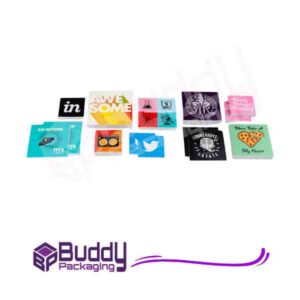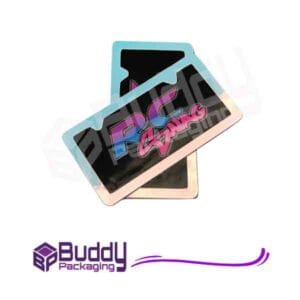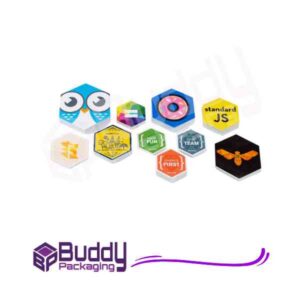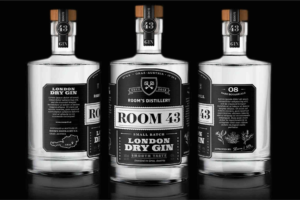
Label And Packaging Design: A Complete Guide
In today’s competitive market, label and packaging design is no longer just about aesthetics. It’s a critical tool that communicates your brand story, attracts consumers, and influences buying decisions. Well-designed packaging ensures your product stands out on shelves and online marketplaces. This guide will walk you through the essentials, strategies, and best practices for creating impactful label and packaging designs.
Understanding Label And Packaging Design
What Is Label And Packaging Design?
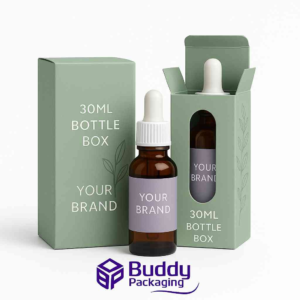
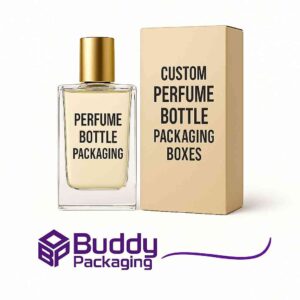
Label and packaging design involves creating visual and functional elements for a product’s container and labeling. It merges creativity with strategy to enhance brand identity, ensure product safety, and provide necessary information to consumers.
Why It Matters for Your Brand
The design of your label and packaging shapes first impressions. A striking design can make consumers pick your product over competitors. Moreover, clear labeling ensures compliance with regulations and builds trust. Research shows that 72% of buyers make purchase decisions based on packaging.
Key Elements Of Effective Label And Packaging Design
Branding And Identity
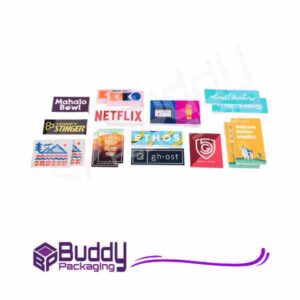
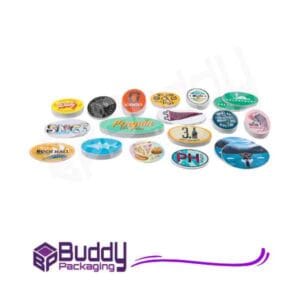
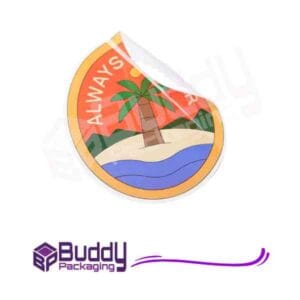
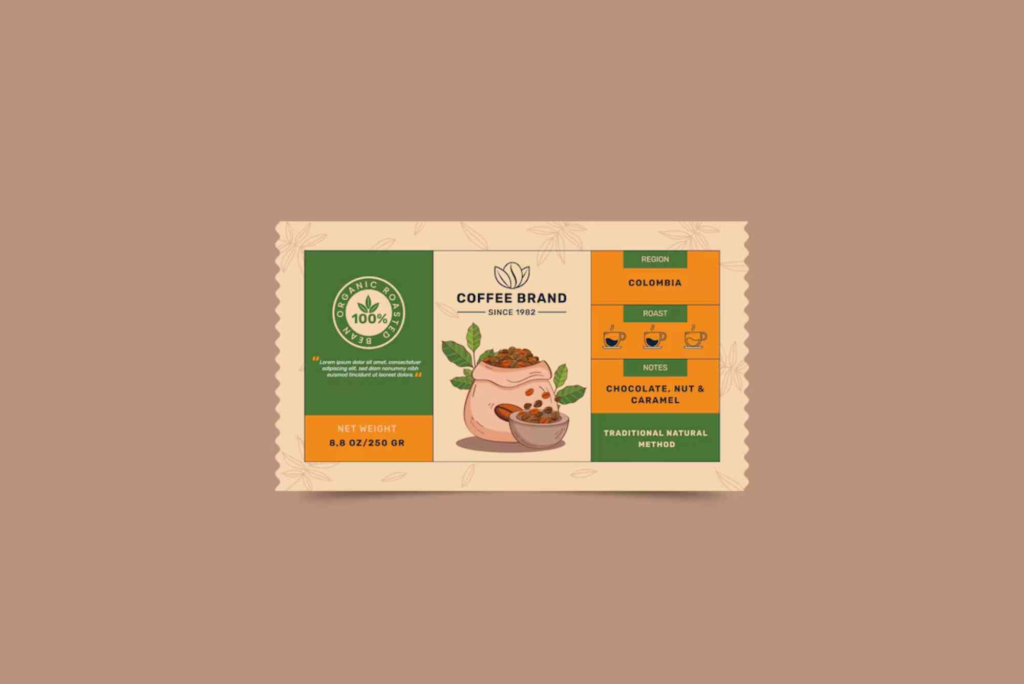
Your packaging should reflect your brand personality. Colors, fonts, and logo placement create a cohesive visual language. Consistency helps consumers recognize your brand quickly. For unique product differentiation, consider investing in custom labels that tell your story clearly.
Typography And Readability
Fonts should be easy to read and match your brand tone. Avoid cluttered text, and prioritize hierarchy to guide the consumer’s attention. Essential details like product name, weight, and key benefits must be immediately visible.
Colors And Visual Appeal
Color psychology plays a huge role in consumer perception. For instance, green often signifies natural or eco-friendly products, while red can evoke urgency or excitement. Use contrasting colors to highlight important features without overwhelming the design.
Material Selection
Packaging materials influence sustainability and product perception. Eco-friendly materials are increasingly preferred, enhancing brand reputation. Consider textures, finishes, and durability to match product needs.
Functional Design
Good packaging protects the product while ensuring ease of use. Features like resealable packs, ergonomic bottles, and spill-proof closures can enhance user experience and satisfaction.
Label And Packaging Design Trends
Minimalist Designs
Clean and simple layouts help your message stand out. Minimalism emphasizes clarity and sophistication, particularly for premium products.
Sustainable Packaging
Consumers are prioritizing sustainability. Biodegradable and recyclable materials not only reduce environmental impact but also strengthen brand credibility.
Interactive Packaging
QR codes, AR features, and scannable labels engage customers digitally. Interactive elements boost consumer engagement and drive repeat purchases.
Personalized Packaging
Personalization increases emotional connection with the product. Customized boxes and labels offer a memorable unboxing experience, fostering brand loyalty.
Best Practices For Label And Packaging Design
Research Your Audience
Understanding your target audience is crucial. Design choices should align with their preferences, cultural values, and expectations. Conduct surveys and focus groups to gather insights.
Focus On Shelf Impact
A product must grab attention quickly. Use bold colors, compelling typography, and unique shapes to make your product visible among competitors.
Ensure Compliance
Labels must follow legal guidelines, including ingredient lists, nutritional info, barcodes, and safety instructions. Regulatory compliance avoids fines and maintains credibility.
Test And Iterate
Before mass production, test your packaging with real users. Small tweaks can significantly enhance usability, appeal, and consumer satisfaction.
Learn From Experts
Regularly explore resources for design inspiration. Following professional label design tips helps refine your skills and keep up with evolving trends.
Common Mistakes To Avoid
Overcrowding The Design
Too much information or cluttered visuals can confuse consumers. Prioritize clarity and simplicity.
Ignoring Brand Identity
Packaging must resonate with your overall brand voice. A mismatch can dilute your brand message.
Poor Material Choice
Selecting cheap or unsuitable materials may compromise product safety and user experience.
Neglecting Sustainability
Consumers increasingly favor eco-conscious brands. Ignoring sustainability can impact brand perception negatively.
Tools And Software For Label And Packaging Design
Graphic design tools like Adobe Illustrator, Photoshop, and Canva are industry standards. These platforms allow precise control over typography, color, and layout. Additionally, 3D modeling tools can simulate how packaging looks in real life, helping prevent costly production errors.
Label And Packaging Design For E-Commerce
Importance For Online Sales
In e-commerce, your packaging acts as a virtual salesperson. Eye-catching product photos with attractive packaging can increase click-through and conversion rates.
Optimizing For Delivery
Design packaging that protects the product during shipping. Consider sturdy boxes, cushioning, and moisture-resistant labels to ensure a positive unboxing experience.
Encouraging Social Sharing
Creative packaging can prompt customers to share their unboxing on social media. Engaging visuals, personalized messages, or unique inserts can encourage organic promotion.
Real-Life Examples And Case Studies
Iconic Branding Success
Brands like Apple and Coca-Cola use consistent color schemes, typography, and minimalism to create instantly recognizable packaging. Their designs balance aesthetics, functionality, and brand storytelling effectively.
Small Brand Innovations
Smaller brands achieve success through custom labels and innovative packaging techniques. Personalized touches, eco-friendly materials, or interactive features often resonate more strongly with niche audiences.
How To Choose The Right Label And Packaging Partner
Working with experienced providers ensures your vision is executed professionally. For local solutions, exploring Buddy Packaging Location can help find trusted partners for printing, customization, and material sourcing. A reliable partner streamlines the design-to-production process and maintains quality standards.
Investing in thoughtful label and packaging design is crucial for brand visibility, consumer trust, and sales growth. Effective packaging communicates your story, protects your product, and engages your audience. By following best practices, staying updated with trends, and collaborating with expert designers, your products can stand out in any market.
Ready to elevate your product’s appeal? Start exploring custom labels and packaging solutions that make your brand unforgettable.
FAQ
What makes a good label and packaging design?
A good design balances aesthetics, clarity, brand identity, and functionality while complying with regulations.
How can packaging influence buying decisions?
Attractive, clear, and functional packaging can catch attention, communicate value, and build trust, ultimately increasing sales.
Are sustainable materials important for packaging?
Yes, eco-friendly materials appeal to conscious consumers and enhance brand credibility.
Can small brands benefit from customized packaging?
Absolutely. Personalized packaging creates a memorable unboxing experience and strengthens brand loyalty.
What are some tools for designing labels and packaging?
Popular tools include Adobe Illustrator, Photoshop, Canva, and 3D packaging modeling software.