Introduction
Screen printing is one of the most popular techniques for creating bold and long-lasting designs. Whether you are printing t-shirts, posters, or custom merchandise, learning how to make screen printing designs can elevate your creative work. This guide explains everything in simple steps, helping beginners and experienced designers alike.
Screen Printing Design
Understanding how to make screen printing designs starts with knowing the basics. Screen printing involves transferring ink through a mesh screen onto a surface. Each colour in your design requires a separate screen, which means planning is essential.
This method is widely used because it produces vibrant colours and durable prints. It works well on fabrics, paper, and even wood. Once you understand the process, you can create professional designs from home or in a studio.
Essential Tools and Materials
Before creating your first design, you need the right tools. Using proper equipment ensures clean results and reduces mistakes.
Design Software
You can use software like Adobe Illustrator or Photoshop. These tools help you create high-resolution designs and separate colours accurately.
Screens and Frames
Screens are made of fine mesh stretched over frames. The mesh count determines how detailed your design can be.
Emulsion and Exposure Unit
Photo emulsion helps transfer your design onto the screen. An exposure unit or strong light source hardens the emulsion to form your stencil.
Squeegee and Ink
A squeegee pushes ink through the screen. Choose inks suitable for your material, such as plastisol or water-based ink.
Understanding Design Basics
To master how to make screen printing designs, you must understand design principles. Good designs are not just about creativity; they also need technical precision.
Keep It Simple
Simple designs print better. Too many details can get lost during printing, especially on fabric.
Use Bold Lines
Thin lines may not transfer well. Bold and clean lines ensure better visibility and durability.
Limit Colours
Each colour requires a separate screen. Using fewer colours reduces cost and complexity.
High Contrast
High contrast designs work best. Black and white designs are ideal for beginners.
Step-by-Step Process to Create Screen Printing Designs
Creating a design for screen printing involves several steps. Following these steps carefully will improve your results.
Create Your Artwork
Start by designing your artwork digitally. Use vector graphics whenever possible because they scale without losing quality.
Separate Colours
If your design has multiple colours, separate them into layers. Each layer represents one screen.
Print the Design on Transparency
Print your design onto a transparent film. This film will be used to expose the screen.
Coat the Screen with Emulsion
Apply a thin layer of emulsion on the screen. Let it dry in a dark place to avoid premature exposure.
Expose the Screen
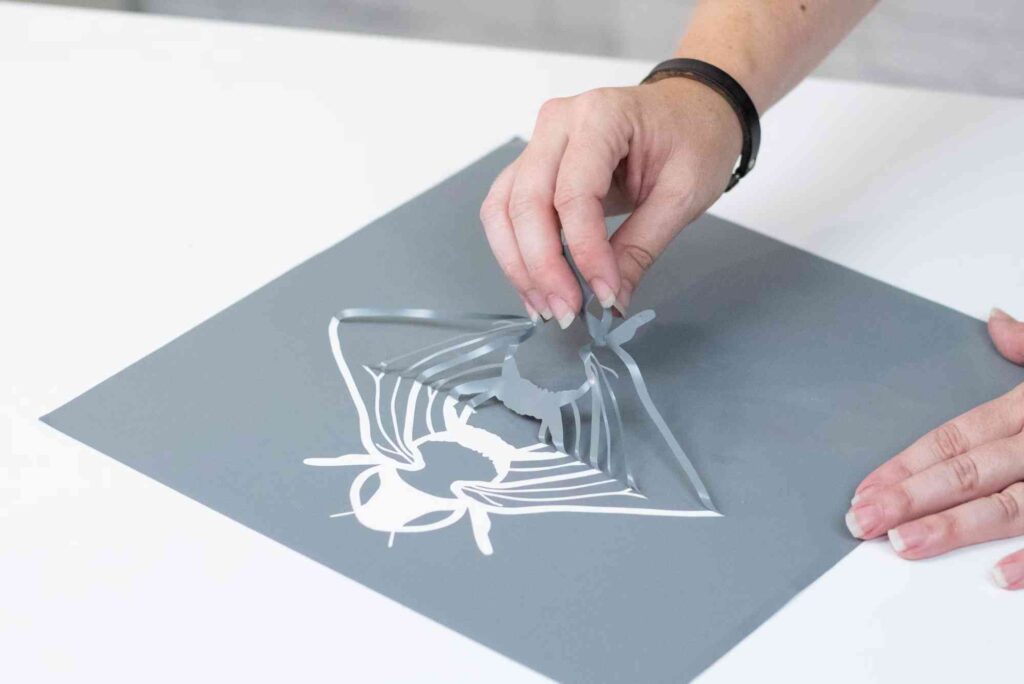
Place your transparency on the screen and expose it to light. The exposed areas harden, while the covered areas remain soft.
Wash Out the Design
Rinse the screen with water. The soft emulsion washes away, leaving your design as a stencil.
Dry and Prepare for Printing
Let the screen dry completely. Once dry, it is ready for printing.
Choosing the Right Fabric and Surface
Your design will look different depending on the surface you print on. Therefore, selecting the right material is crucial.
Cotton is ideal for beginners because it absorbs ink well. Polyester requires special inks and techniques. Paper and cardboard are great for posters and art prints.
Testing your design on different materials helps you understand how ink behaves.
Tips to Improve Your Screen Printing Designs
Improving your skills takes time and practice. However, a few tips can make a big difference.
Test Before Final Printing
Always do a test print. This helps you identify mistakes and adjust your design.
Use Quality Materials
High-quality screens, inks, and fabrics produce better results.
Maintain Consistency
Keep your pressure and angle consistent while using the squeegee.
Learn from Experts
Reading industry blogs and resources can help you grow. For example, exploring print & finishing insights can give you valuable knowledge about professional techniques and trends.
Common Mistakes to Avoid
Even experienced designers make mistakes. Knowing what to avoid can save time and resources.
Overloading your design with details can cause printing issues. Using low-resolution images leads to blurry prints. Not aligning screens properly can ruin multi-colour designs. Skipping test prints often results in wasted materials.
Avoiding these mistakes will improve your efficiency and final output.
Creative Ideas for Screen Printing Designs
Creativity is key when learning how to make screen printing designs. Experimenting with different styles can help you stand out.
Try typography-based designs for a modern look. Use abstract shapes for artistic prints. Vintage designs are popular for clothing. You can also combine hand-drawn elements with digital artwork.
Adding textures and layering effects can make your designs unique. Always think about your audience and purpose when designing.
Using Screen Printing for Business
Screen printing is not just a hobby; it can be a profitable business. Many entrepreneurs start with small setups and grow over time.
Custom merchandise is in high demand. You can create t-shirts, tote bags, and posters for clients. Offering Custom Packaging solutions can also enhance your brand value and attract more customers.
Building a strong portfolio and promoting your work online can help you reach a wider audience. Consistency and quality are essential for long-term success.
Finding Inspiration and Resources
Inspiration plays a vital role in design. Looking at other artists’ work can spark new ideas.
Visit design websites, social media platforms, and industry blogs. You can also explore Buddy Packaging Location to understand how branding and packaging work together in real-world settings. Keeping a sketchbook or digital folder of ideas can help you stay organised and creative.
Advanced Techniques in Screen Printing
Once you master the basics, you can explore advanced techniques.
Halftone printing allows you to create gradients using dots. Discharge printing removes dye from fabric for a soft finish. Puff printing adds texture and dimension. These techniques require practice but can significantly enhance your designs.
Learning how to make screen printing designs is a rewarding journey. It combines creativity with technical skills, allowing you to produce unique and professional results. By understanding the basics, using the right tools, and practising regularly, you can improve your designs and even turn your passion into a business.
Start experimenting today and bring your ideas to life. If you want to grow faster, explore professional resources, invest in quality materials, and keep learning. Your next great design could be just one print away.
Discover innovative solutions for custom packaging and branding with expert insights into glass printing design. Whether you’re a business looking to enhance product appeal or exploring creative techniques, this guide offers practical tips and inspiration. Learn more about the process and elevate your packaging strategy by visiting the detailed resource provided.
FAQs
What is the easiest way to start screen printing?
The easiest way is to begin with simple one-colour designs. Use basic tools and practise on cotton fabric.
Do I need expensive equipment for screen printing?
No, beginners can start with affordable kits. However, better equipment improves quality over time.
How do I make my screen printing designs last longer?
Use high-quality ink and cure it properly. Proper washing and care also extend durability.
Can I use regular images for screen printing?
It is better to use high-resolution or vector images. Low-quality images may not print clearly.
How many colours should I use in my design?
Start with one or two colours. This makes the process easier and more cost-effective.
Is screen printing suitable for small businesses?
Yes, it is ideal for small businesses. It allows you to create custom products and build a brand.