Holographic Packaging Design: A Complete Guide to Modern Brand Impact
Holographic packaging design is one of the most striking, innovative trends in modern product presentation. In a world where consumers scroll and browse for mere seconds, packaging that literally catches the eye can be the difference between a glance and a purchase. From shimmering effects to advanced security features, holographic packaging offers brands a way to elevate shelf presence while reinforcing authenticity and identity. In this detailed guide, we’ll explore what holographic packaging is, why it matters, how designers can use it smartly, and answers to some of the most commonly asked questions about this exciting design approach.
Introduction to Holographic Packaging Design
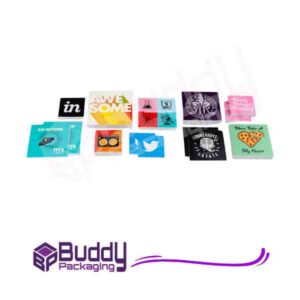
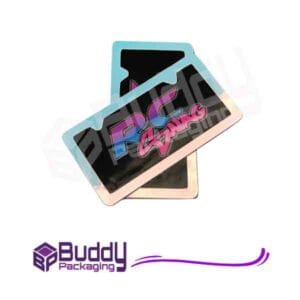
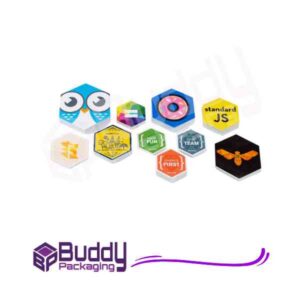
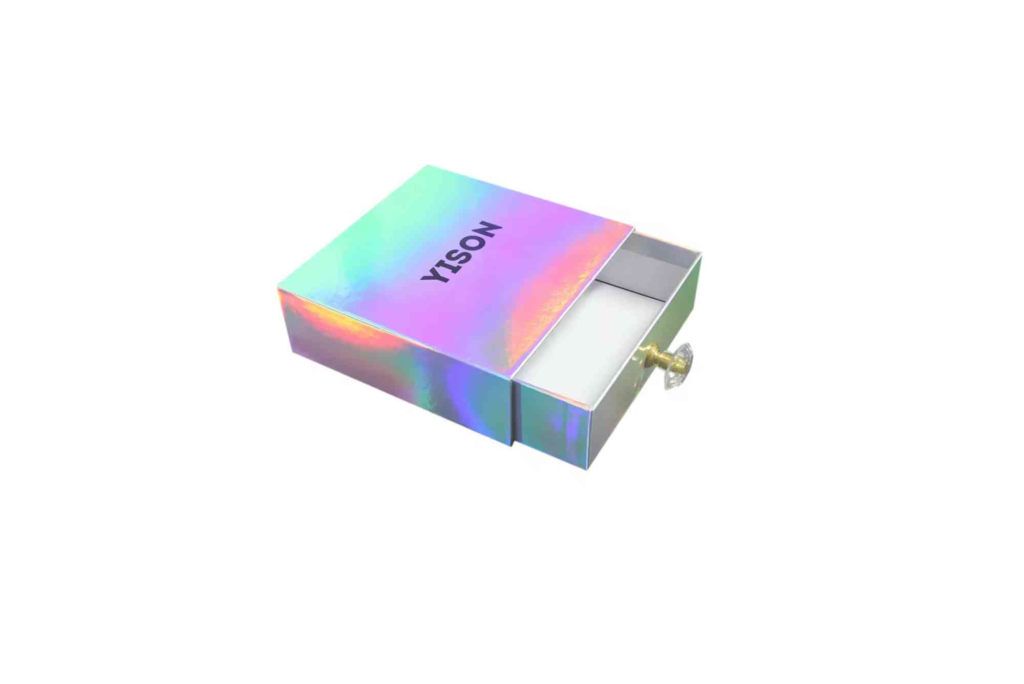
Holographic packaging design refers to the use of holographic films, foils, and visual effects on packaging surfaces to create dynamic, light-responsive visuals. Unlike standard flat print, holographic surfaces shift colours and appear three‑dimensional as light changes or the viewer moves. This approach blends creativity with technology — transforming simple packaging into an experience. Brands across beauty, technology, food and luxury markets are adopting holographic elements to stand out in crowded retail environments and online marketplaces.
Notably, holographic packaging does more than just look beautiful. It enhances brand perceived value, increases consumer engagement, and can even offer advanced security features that defend against counterfeiting. By integrating visual appeal with practical benefits, holographic design has become a go‑to strategy for brands seeking both aesthetic impact and functional performance.
What Makes Holographic Packaging So Effective?
Eye‑Catching Visual Impact
Holographic packaging instantly attracts attention because of the way it reacts to light. The shimmering, colour-shifting surface creates a dynamic effect that draws the eye and encourages closer inspection. In retail environments where shoppers make fast decisions, this kind of impact can directly influence purchasing behaviour.
Enhanced Brand Recognition
Holographic packaging design helps brands stand out visually and builds stronger recall with consumers. The distinct aesthetic becomes part of a product’s identity, signalling innovation, quality, or luxury depending on the design execution. This visual identity can foster long‑term brand loyalty as customers begin to associate the holographic effects with the product experience itself.
Anti‑Counterfeiting and Security Benefits
Beyond aesthetics, holographic packaging is a powerful tool for product protection. The unique patterns and fine optical effects are extremely difficult to reproduce, making them an effective deterrent against counterfeiters. In industries vulnerable to imitation — like pharmaceuticals or high-end goods — integrating holographic features can reassure customers they are buying the genuine product.
Perceived Value Enhancement
Consumers often equate holographic packaging with premium quality. This perception allows brands to position products as high-value, sometimes justifying higher price points. When customers see a vibrant, holographic package, their expectations for what’s inside can be elevated before they even open it.
Key Elements of Successful Holographic Design
Material Selection and Application
Choosing the right holographic material is crucial. Options include full holographic laminates, spot holographic foiling, or holographic film accents on specific areas like logos or text. Each technique affects cost, appearance, and production complexity. Designers balance these elements to create packaging that looks premium without being overly expensive.
Material quality also influences durability. High-quality holographic films resist scuffs, scratches and fading, ensuring that the product maintains its look throughout the supply chain and on store shelves.
Balance Between Function and Form
While visual impact is important, functional performance remains essential. Packaging must still protect the product, meet regulatory standards, and remain practical for logistics and handling. Designers often integrate holographic elements with other finishes like matte lamination or gloss coatings to enhance both look and performance.
Colour and Pattern Strategy
Holographic effects can range from subtle rainbow glimmers to bold shifting visuals. Choosing the right pattern and colour intensity is key to aligning the packaging with the brand’s personality. Simple, elegant holography may suit a luxury cosmetics brand, while bold, high-energy effects might better match youth-oriented products. Strategic use of holographic accents can highlight key parts of the design, such as brand logos or product names.
Design Considerations and Tips
Know Your Target Audience
Understanding consumers’ preferences helps determine how bold or subtle holographic effects should be. Markets like beauty, technology and luxury goods often benefit from strong holographic visuals, while others may require restrained use to avoid overwhelming the core brand message.
Integrate with Overall Brand Story
Holographic design should amplify the brand story, not distract from it. Align holographic elements with your product’s positioning — whether that’s premium, tech-forward, playful, or eco-friendly. Thoughtful integration ensures that packaging feels cohesive and intentional.
Combine with Other Design Principles
Holographic packaging works best when paired with effective typography, colour contrast, and clean layout. Too much visual noise can dilute the impact. Using clear hierarchy and strong focal points allows the holographic elements to shine without overcomplicating the overall design.
Plan for Both Shelf and Digital Presentation
In the age of e-commerce, packaging must look exceptional both in person and in photographs. Holographic surfaces photograph beautifully when lit correctly, making products more shareable across social media and online stores. This dual consideration ensures consistent brand visibility across platforms.
Practical Applications Across Industries
Beauty and Cosmetics
Holographic packaging is widely used in beauty products to convey luxury and innovation. Its shimmering effects align with trends for premium personal care items and limited-edition releases, making products feel special and collectible.
Food and Beverages
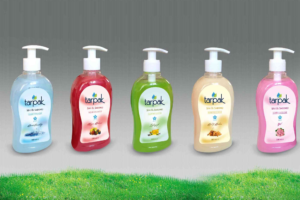
Innovative food brands use holographic labels and carton elements to enhance sensory appeal and communicate product authenticity. In some cases, holographic packaging includes security codes that reassure consumers about product origin and safety.
Technology and Electronics
Tech products often adopt holographic design to reflect modernity and futuristic aesthetics. These visual cues support the product narrative and help position items as cutting-edge.
Luxury and Limited Edition Products
Limited-run products benefit greatly from holographic packaging because it elevates perceived exclusivity and encourages unboxing experiences that are memorable and shareable.
Future Trends in Holographic Packaging
Holographic packaging design continues to evolve with technology. Innovations include biodegradable holographic films and interactive elements such as QR codes or augmented reality features that engage consumers digitally. As sustainability becomes more central, holographic materials are being adapted to work with recyclable substrates, allowing brands to combine visual impact with environmental responsibility.
Holographic packaging Custom Packaging design isn’t just a trend — it’s a strategic tool that marries visual impact with brand value and product protection. Its ability to attract attention, build emotional engagement, and stand out in both physical and digital marketplaces makes it an invaluable packaging design tips part of modern product presentation. Whether you’re positioning a premium cosmetic, an innovative tech gadget, or a limited edition item, harnessing the magic of holographic Buddy Packaging Location effects can elevate your brand story and create memorable moments for customers.
Looking to elevate your brand identity? Our professional team can help you create a unique and memorable logo that truly represents your business. Explore our design and print logo services to make your brand stand out and leave a lasting impression on your audience.
FAQs
What is holographic packaging and why use it?
Holographic packaging uses light-responsive surfaces to create colour-shifting, dynamic visuals. It attracts attention, builds brand recognition, and can help protect products through anti-counterfeiting measures.
How does holographic packaging improve shelf visibility?
The shimmering, rainbow effect catches the eye more than standard print, encouraging shoppers to notice and engage with the product.
Is holographic packaging suitable for all products?
While highly effective for premium, gift and lifestyle goods, some simpler product categories may need subtler holographic use to avoid overwhelming the core branding message.
Can holographic packaging be sustainable?
Yes, newer holographic films are designed to be recyclable or used with eco-friendly substrates, supporting sustainability initiatives.
Does holographic packaging increase production costs?
Costs vary depending on materials and methods, but many brands find that increased customer engagement and perceived value justify the investment.