Introduction
The history of packaging design is a fascinating journey that reflects human innovation, cultural shifts, and technological progress. From simple natural materials used for storage to highly engineered modern packaging, the evolution of packaging tells the story of how societies have adapted to changing needs in trade, marketing, and sustainability.
Early Beginnings of Packaging
Packaging dates back to ancient civilizations where people used natural materials such as leaves, animal skins, gourds, and woven baskets to store and transport goods. Egyptians were among the first to use glass containers, while early Chinese societies developed paper-based packaging centuries before it became widespread elsewhere.
At this stage, packaging served a purely functional purpose—protection and transportation. There was little to no emphasis on branding or visual appeal, as trade was local and products were often sold in bulk.
The Rise of Trade and Functional Packaging
As trade routes expanded across regions and continents, packaging became more sophisticated. Wooden crates, barrels, and ceramic containers were commonly used to transport goods over long distances. These materials provided better durability and protection, especially for fragile or perishable items.
During this period, packaging started to reflect the nature of the product it carried. For example, spices, oils, and wines required airtight or sealed containers, pushing innovation in packaging design.
Industrial Revolution and Packaging Transformation
The Industrial Revolution marked a turning point in the history of packaging design. Mass production created a need for standardized packaging solutions that could be produced quickly and efficiently.
Key developments during this time included:
- The invention of tin cans for food preservation
- The use of cardboard boxes for shipping
- Printed labels for product identification
This era introduced the concept of branding. Companies began to realize that packaging could influence consumer choices. Labels, logos, and colours became important elements, laying the foundation for modern marketing strategies.
The Birth of Branding and Consumer Appeal
In the late 19th and early 20th centuries, packaging evolved from purely functional to visually appealing. Businesses started using packaging as a marketing tool to attract customers.
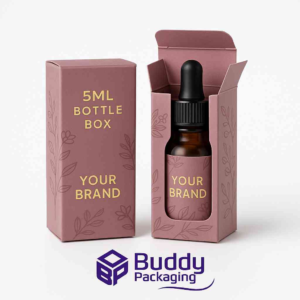
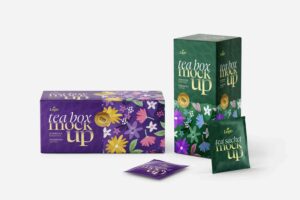
Colouful designs, typography, and logos were introduced to create brand identity. This shift led to the rise of Custom Packaging, where businesses tailored packaging to reflect their brand personality and stand out on store shelves. You can explore modern solutions here.
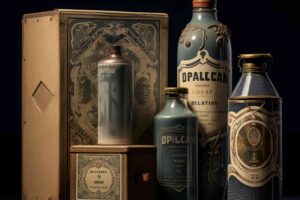
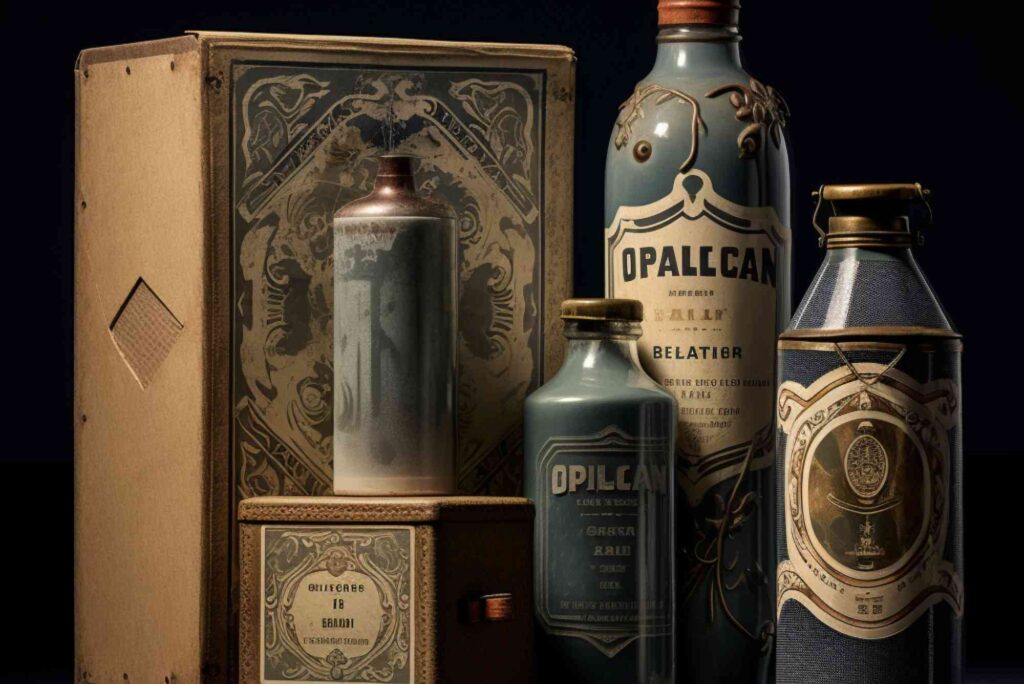
This period also saw the introduction of paperboard cartons, glass bottles with unique shapes, and early plastic materials.
Modern Packaging Design and Innovation
Today, packaging design is a blend of creativity, technology, and strategy. It plays a crucial role in branding, user experience, and product protection.
Modern packaging focuses on:
- Sustainability and eco-friendly materials
- Minimalist and clean design aesthetics
- Smart packaging with QR codes and tracking features
- Enhanced durability and functionality
Designers now rely on advanced tools and techniques to create packaging that not only looks appealing but also performs efficiently. For deeper industry updates and print & finishing insights, visit.
Sustainability and the Future of Packaging
In recent years, sustainability has become a major focus in packaging design. Consumers are increasingly aware of environmental issues, pushing brands to adopt eco-friendly practices.
Trends shaping the future include:
- Biodegradable and recyclable materials
- Reduced packaging waste
- Reusable packaging solutions
- Sustainable production methods
Companies that prioritize sustainability not only contribute to environmental protection but also build stronger trust with consumers.
The Role of Packaging in Branding Today
Packaging is no longer just a container—it is a powerful communication tool. It tells a story about the brand, its values, and the quality of the product inside.
From luxury packaging to eco-friendly solutions, businesses invest heavily in design to create memorable customer experiences. The right packaging can influence purchasing decisions, improve brand recall, and even encourage repeat sales.
Local Innovation and Industry Presence
Packaging companies around the world are continuously evolving to meet modern demands. If you’re interested in exploring a real-world example of industry presence, check out this Buddy Packaging Location.
This highlights how packaging businesses operate globally while serving local markets with customised solutions.
The history of packaging design showcases a remarkable transformation from simple storage solutions to sophisticated branding tools. What started as a necessity for protection and transportation has evolved into a critical element of marketing and sustainability.
As technology continues to advance and environmental concerns grow, the future of packaging design will focus even more on innovation, efficiency, and eco-conscious solutions. Businesses that adapt to these trends will not only stay competitive but also contribute to a more sustainable world.