Introduction
Packaging has evolved far beyond simple product protection. Today it plays a vital role in branding, storytelling, and customer experience. One trend that continues to attract attention is Hexagonal Packaging Design. This geometric format offers a visually striking structure that stands out immediately on retail shelves and digital marketplaces.
Brands across industries are increasingly exploring hexagonal shapes because they combine aesthetics with functionality. Unlike traditional square or rectangular boxes, hexagonal structures provide a unique balance between design creativity and structural efficiency. As a result, businesses seeking memorable packaging often turn to Hexagonal Packaging Design to create a premium impression.
Another important factor is consumer perception. Shoppers are naturally drawn to unusual shapes because they break visual patterns. When used correctly, hexagonal packaging signals quality, innovation, and thoughtful branding. This article explores how this packaging style works, why brands adopt it, and how companies can integrate it effectively into their product strategy.
Understanding Hexagonal Packaging Design
Hexagonal Packaging Design refers to packaging structures built around a six-sided geometric shape. This design differs from conventional boxes because it distributes weight evenly while providing strong structural integrity. The six panels create natural symmetry, which helps packaging appear balanced and aesthetically pleasing.
From a production perspective, hexagonal boxes are surprisingly efficient. The structure allows manufacturers to use materials strategically while maintaining strength. In many cases, the design improves stacking stability and product protection during shipping.
Another advantage lies in visual presentation. Hexagonal panels provide additional surfaces for branding elements such as logos, colours, and typography. This extra visual space allows designers to tell a brand story more effectively. For premium products, this type of packaging can create a luxury unboxing experience that resonates with modern consumers.
Why Brands Choose Hexagonal Packaging Design
Strong Shelf Impact
Retail environments are crowded with competing products. Traditional rectangular packaging often blends into surrounding displays. Hexagonal Packaging Design immediately disrupts this pattern and attracts attention.
When customers scan a shelf, their eyes naturally gravitate toward shapes that differ from the norm. A hexagonal box can therefore become a silent marketing tool. Even without bold colours or graphics, the structure itself communicates uniqueness.
This advantage becomes even more important in high-competition sectors such as cosmetics, specialty foods, and gift products. In these markets, packaging frequently influences purchasing decisions before customers even read product descriptions.
Enhanced Structural Strength
A hexagon is one of the most structurally efficient shapes found in nature. Honeycomb structures demonstrate how hexagons distribute pressure evenly while using minimal material. Packaging designers often draw inspiration from this principle.
Because of this natural strength, Hexagonal Packaging Design can protect fragile items more effectively than certain traditional packaging forms. The six panels reinforce each other, reducing the likelihood of bending or collapse during shipping.
For businesses selling delicate products such as glass jars, candles, or artisanal goods, this added durability can significantly reduce damage rates and returns.
Premium Brand Perception
Consumers often associate unique packaging shapes with premium products. Hexagonal Packaging Design creates a perception of craftsmanship and thoughtful design.
Luxury brands frequently use unconventional packaging structures to differentiate themselves. When customers encounter hexagonal packaging, it signals that the brand invested effort in presentation. This perception can elevate a product’s value in the customer’s mind.
Even smaller businesses can benefit from this psychological effect. With the right design approach, hexagonal packaging can transform a simple product into a memorable brand experience.
Applications Across Industries
Hexagonal Packaging Design has gained popularity in several industries because it adapts easily to different products. Food brands, beauty companies, and gift manufacturers increasingly use this format to enhance presentation and brand storytelling.
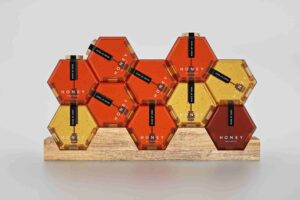
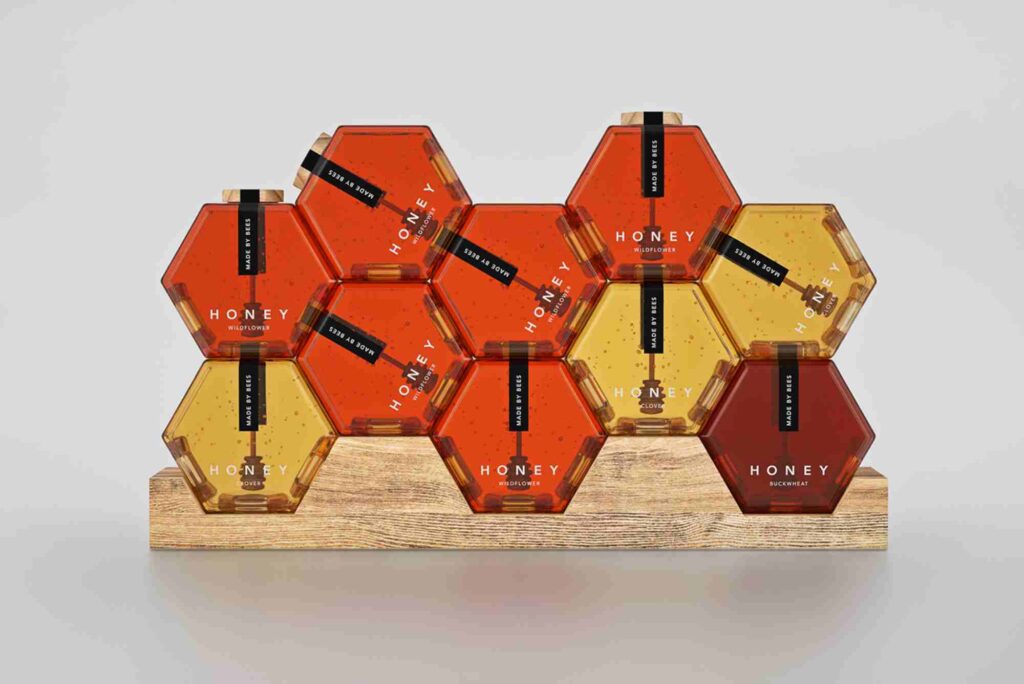
In the gourmet food industry, hexagonal boxes often package chocolates, honey, tea, or premium snacks. The shape complements artisanal branding and reinforces the idea of craftsmanship. Many honey brands specifically use hexagonal packaging because it visually references honeycomb structures.
The cosmetics sector also embraces this design. Hexagonal containers create an elegant and modern appearance for skincare, perfumes, and beauty products. Because these products rely heavily on visual appeal, packaging becomes part of the brand identity.
Gift packaging represents another growing area. Hexagonal gift boxes provide an element of surprise and luxury. When customers open such packaging, the unique shape enhances the overall unboxing experience and strengthens brand recall.
Sustainability and Material Efficiency
Sustainability has become a critical factor in packaging design. Modern consumers expect brands to reduce waste and use eco-friendly materials. Hexagonal Packaging Design can support these goals when implemented thoughtfully.
The geometric efficiency of hexagons allows designers to maximise material usage while maintaining strength. This approach can reduce unnecessary packaging layers and minimise waste. In addition, many manufacturers now produce hexagonal packaging using recyclable cardboard, kraft paper, or biodegradable materials.
Sustainable packaging also strengthens brand reputation. Customers increasingly support companies that demonstrate environmental responsibility. By combining innovative shapes with eco-friendly materials, businesses can align creativity with sustainability.
Brands looking for adaptable solutions often explore Custom Packaging options to tailor materials, finishes, and shapes to their sustainability strategy. Companies can learn more about innovative packaging solutions through this resource:
Designing Effective Hexagonal Packaging
Creating successful Hexagonal Packaging Design requires more than choosing a geometric shape. Designers must carefully consider branding, usability, and production feasibility.
The first step involves understanding the product itself. Packaging should complement the product’s size, weight, and protection requirements. A hexagonal structure works best when it enhances the product rather than complicating storage or transportation.
Branding elements must also integrate naturally with the six-panel layout. Designers often place the logo on one panel while using the remaining surfaces for storytelling, instructions, or visual patterns. This approach creates a 360-degree brand experience.
Another important aspect is print and finishing quality. Techniques such as embossing, foil stamping, and spot UV coating can elevate hexagonal packaging to a luxury standard. Businesses interested in industry updates can explore professional resources offering print & finishing insights:
Consumer Psychology and Packaging Shapes
Human psychology plays a powerful role in packaging effectiveness. Consumers subconsciously respond to shapes, colours, and textures. Hexagonal Packaging Design appeals to this psychological response because it introduces novelty while maintaining visual harmony.
Research in retail design shows that unfamiliar shapes trigger curiosity. When shoppers encounter a hexagonal box, they instinctively want to examine it more closely. This moment of curiosity creates an opportunity for the brand to communicate its value.
Furthermore, symmetrical shapes often evoke feelings of balance and quality. The hexagon’s geometry appears organised and purposeful, which reinforces perceptions of reliability and craftsmanship.
These psychological cues explain why innovative packaging structures can significantly influence purchasing behaviour.
Hexagonal Packaging in Experiential Marketing
Packaging increasingly contributes to brand experiences rather than serving only functional purposes. Hexagonal Packaging Design fits naturally into experiential marketing strategies because it encourages interaction.
Customers often photograph distinctive packaging and share it on social media. This organic promotion extends brand visibility beyond traditional advertising. Unique shapes are particularly effective for this purpose because they look visually interesting in photos and videos.
Some brands integrate storytelling elements directly into hexagonal panels. Each side may reveal a different aspect of the brand narrative, ingredients, or product journey. This storytelling approach transforms packaging into an interactive experience.
Retail environments can also use hexagonal packaging displays to create visually dynamic arrangements. Stacked hexagonal boxes form honeycomb-like structures that attract attention in store layouts.
Businesses exploring creative packaging concepts can also examine innovative packaging providers through resources such as the Buddy Packaging Location listing:
Case Insight: Creative Packaging and Brand Identity
Many brands have demonstrated how Hexagonal Packaging Design enhances brand identity. In lifestyle and wellness industries, innovative packaging can reinforce brand values such as energy, vitality, and modern design.
For example, fitness-oriented environments like Orange Theory locations, including Orange Theory Mountain View, often emphasise strong visual branding. Packaging used for promotional products or merchandise in such spaces benefits from bold geometric designs that reflect energy and performance.
Hexagonal packaging aligns well with this visual identity because it symbolises structure, balance, and movement. While packaging strategies vary across brands, geometric innovation consistently strengthens brand memorability.
Challenges and Considerations
Despite its advantages, Hexagonal Packaging Design also presents certain challenges. Manufacturing complexity can increase production costs compared with simple rectangular boxes.
Printing alignment requires careful planning because graphics must match across angled panels. Without precise design preparation, branding elements may appear misaligned.
Shipping logistics also require attention. Hexagonal shapes may occupy slightly more space than rectangular boxes when stacked inefficiently. Designers therefore need to optimise dimensions to maintain transportation efficiency.
However, modern packaging technologies and digital design tools have reduced many of these limitations. With proper planning, companies can achieve both visual impact and logistical practicality.
Future Trends in Hexagonal Packaging Design
Packaging innovation continues to evolve alongside consumer expectations. Hexagonal Packaging Design is likely to remain popular as brands seek distinctive visual identities.
Advances in digital printing and sustainable materials will further expand design possibilities. Brands can experiment with textured finishes, biodegradable materials, and interactive packaging elements.
Smart packaging technology may also integrate with geometric packaging structures. QR codes, augmented reality features, and interactive storytelling could appear across hexagonal panels, turning packaging into a digital gateway for customer engagement.
As e-commerce continues to grow, memorable packaging will become even more important. Online purchases lack physical shelf interaction, so packaging must create excitement when customers receive their orders.
Hexagonal Packaging Design represents a powerful blend of creativity, functionality, and branding potential. Its six-sided structure offers durability, visual uniqueness, and expanded space for storytelling. These advantages allow businesses to transform ordinary packaging into a memorable brand experience.
In competitive markets, packaging often determines whether a product attracts attention or goes unnoticed. Hexagonal packaging disrupts visual patterns and communicates innovation immediately. When combined with high-quality printing and sustainable materials, it can significantly elevate brand perception.
Businesses aiming to differentiate their products should explore geometric packaging strategies that capture attention while supporting sustainability goals. Investing in thoughtful packaging design not only improves shelf presence but also strengthens long-term brand recognition.
If your brand wants packaging that stands out and reflects innovation, consider integrating Hexagonal Packaging Design into your next product launch. Creative packaging can transform the way customers experience your brand.
Frequently Asked Questions
What is hexagonal packaging used for?
Hexagonal packaging is commonly used for premium products such as chocolates, cosmetics, candles, and gift items. The shape improves visual appeal and brand differentiation while maintaining strong structural support.
Is hexagonal packaging environmentally friendly?
Hexagonal packaging can support sustainability when produced using recyclable or biodegradable materials. Its efficient geometric structure may also reduce unnecessary material usage.
Why do brands use unique packaging shapes?
Brands use distinctive shapes to attract attention and enhance customer experience. Unique packaging creates stronger shelf presence and improves brand memorability.
Does hexagonal packaging cost more to produce?
Production costs can be slightly higher because the structure requires specialised die-cutting and printing alignment. However, the branding benefits often justify the investment.
How does packaging design influence customer buying decisions?
Packaging design strongly affects purchasing behaviour. Consumers often judge product quality based on packaging appearance before reading product details.