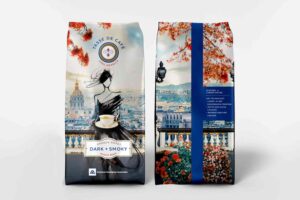
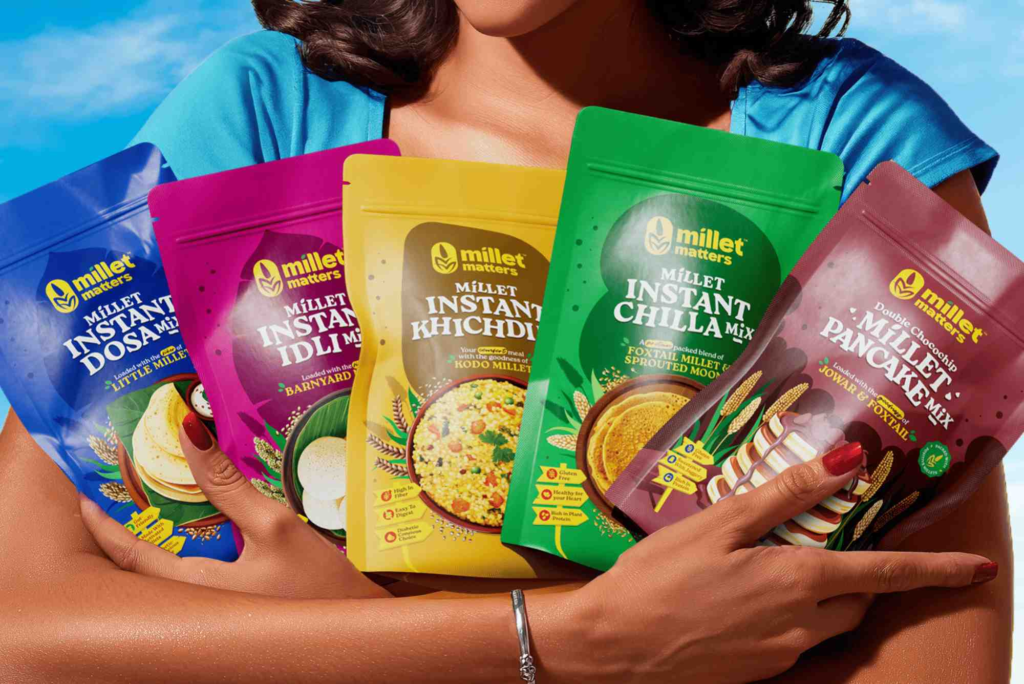
Health food packaging design plays a critical role in how consumers perceive wellness brands today. In a market driven by transparency, sustainability, and trust, packaging is no longer just a container. It is a brand statement. From organic snacks to functional supplements, the right design influences buying decisions in seconds.
Health-conscious shoppers read labels closely and expect honesty. They want packaging that reflects clean ingredients and ethical values. When done well, health food packaging design communicates safety, quality, and lifestyle alignment without saying a word. This article explores how smart design choices support brand growth, compliance, and customer loyalty.
Understanding the Role of Health Food Packaging Design
Health food packaging design sits at the intersection of marketing, regulation, and user experience. It must protect the product, meet food safety standards, and still look appealing. Each design decision should support clarity and credibility.
Unlike conventional food packaging, health-focused products require restraint. Loud colours and exaggerated claims can reduce trust. Instead, minimal layouts, calm colours palettes, and clear typography work better. These choices help consumers feel confident about what they are buying.
Brands that succeed in this space understand that packaging is often the first point of contact. Before a customer tastes the product, they judge the packaging. That judgement determines whether the item reaches the checkout.
Why Consumers Trust Thoughtful Packaging
Trust is everything in the health food sector. Shoppers expect honesty, especially when products promise wellness benefits. Health food packaging design supports this trust through transparency and consistency.
Clear ingredient lists, readable nutrition panels, and accurate claims reduce scepticism. When packaging avoids clutter and focuses on essential information, it feels more credible. Materials also matter. Recyclable or compostable packaging signals environmental responsibility.
Many brands now test designs with real users. Feedback helps identify confusing elements or misleading impressions. This user-centred approach aligns with Google’s E-E-A-T principles by demonstrating experience and authority through informed decisions.
The Influence of Fitness and Wellness Culture
The rise of boutique fitness brands has shaped expectations around health products. Spaces such as Orangetheory Fitness Mountain View promote performance, balance, and measurable results. These values influence how consumers view health food packaging design.
Packaging inspired by fitness culture often uses clean lines and performance-driven language. It focuses on outcomes while remaining factual. This alignment helps products feel relevant to active lifestyles without overstating benefits.
Health food brands that understand this cultural context design packaging that fits seamlessly into gym bags, kitchen shelves, and social media feeds. Consistency across these environments strengthens brand recognition.
Balancing Aesthetics and Compliance
Health food packaging design must comply with strict regulations. Claims, symbols, and nutritional information require accuracy. Designers must work closely with regulatory experts to avoid costly mistakes.
In the UK, labelling laws demand clarity. Fonts must remain legible, and mandatory information cannot be obscured by design elements. A strong design respects these rules while still standing out.
Successful brands treat compliance as a creative constraint. They use layout, spacing, and hierarchy to make required information easy to read. This approach improves user experience and reduces confusion.
Sustainability as a Design Priority
Sustainability now sits at the heart of health food packaging design. Consumers expect brands to reduce waste and carbon impact. Packaging choices influence purchasing decisions, especially among younger audiences.
Eco-friendly materials such as recycled paper or plant-based plastics reinforce health-focused messaging. However, sustainability must be genuine. Overstated claims can damage credibility.
Designers should communicate sustainability through subtle cues. Natural textures, earthy colours, and simple finishes convey environmental awareness without overwhelming the message. These details support long-term brand trust.
Typography and Colours Psychology in Health Food Packaging Design
Typography shapes how information feels. In health food packaging design, clean and modern fonts suggest purity and reliability. Overly decorative fonts can reduce readability and appear unprofessional.
Colours psychology also plays a role. Greens and neutrals suggest freshness and nature. Soft blues imply calm and trust. Bright colours can work when used sparingly, especially for active nutrition products.
Consistency across packaging ranges builds recognition. When customers spot familiar colours and fonts, they feel reassured. This familiarity supports repeat purchases and brand loyalty.
The Importance of Structural Design
Packaging structure affects usability and perception. Resealable pouches, portion control packs, and easy-open lids enhance convenience. These features show consideration for real-world use.
Health food packaging design should protect freshness while supporting lifestyle needs. For example, compact designs suit on-the-go consumers. Sturdy materials reduce waste from damaged goods.
Structural design also influences sustainability. Right-sized packaging reduces excess material. This practical approach benefits both the environment and shipping costs.
Branding Through Storytelling
Every health food brand has a story. Packaging is the perfect place to tell it. Whether the focus is local sourcing or scientific research, storytelling builds emotional connections.
Health food packaging design should reflect brand values clearly. Short narratives, icons, or imagery can communicate origin and purpose. These elements must remain authentic and verifiable.
When storytelling aligns with product quality, customers feel informed rather than persuaded. This balance strengthens trust and supports long-term growth.
Digital Shelf Impact and E-commerce Considerations
Online shopping has changed how packaging performs. Health food packaging design must look good on screens as well as shelves. Clear visuals and readable text matter at thumbnail size.
Designers should consider how packaging photographs under different lighting. Matte finishes and strong contrast improve digital visibility. Consistency across product lines helps customers navigate online stores.
E-commerce also increases the importance of durability. Packaging must survive shipping while still looking premium on arrival. These practical factors influence customer reviews and repeat sales.
Integrating Custom Solutions for Brand Differentiation
Customisation helps brands stand out in crowded markets. Tailored shapes, finishes, and labels reinforce uniqueness. Strategic use of Custom Packaging solutions allows brands to maintain flexibility without excessive costs.
Custom elements should enhance clarity rather than distract. Subtle embossing or textured labels can elevate perceived quality. These details show attention to detail and professionalism.
When brands invest in thoughtful customisation, they communicate commitment. This investment often translates into higher perceived value and stronger customer relationships.
Learning from Print and Finishing Expertise
Print quality affects how packaging feels in hand. Poor finishes undermine even the best design. Brands benefit from staying informed through trusted industry resources such as print & finishing insights.
Understanding printing techniques helps designers choose appropriate materials and finishes. Knowledge of ink behaviour, coatings, and sustainability options improves decision-making.
This technical awareness supports better collaboration with suppliers. The result is packaging that looks and feels consistent across production runs.
Location and Local Trust Signals
Local presence can enhance credibility. Brands that highlight their origins often build stronger connections. Including location cues subtly within health food packaging design reinforces transparency.
Referencing a verified address or production site reassures customers. Tools like Buddy Packaging Location help demonstrate authenticity without overwhelming the design.
Local trust signals work best when understated. They should support the story rather than dominate it.
FAQs About Health Food Packaging Design
What makes health food packaging design effective?
Effective health food packaging design combines clarity, compliance, and visual appeal. It communicates benefits honestly while protecting product integrity.
How important is sustainability in health food packaging?
Sustainability is increasingly important. Consumers expect eco-conscious materials and responsible sourcing as part of a health-focused brand promise.
Does packaging design affect trust in health foods?
Yes, packaging strongly influences trust. Clean layouts, accurate information, and quality materials reassure buyers about product safety and authenticity.
How can small brands compete through packaging?
Small brands can focus on simplicity and consistency. Thoughtful design choices often outperform expensive but confusing packaging.
What role does compliance play in packaging design?
Compliance ensures legality and credibility. Designs that respect regulations while remaining user-friendly perform best in competitive markets.
Designing for Health, Trust, and Growth
Health food packaging design shapes how consumers experience wellness brands. It influences trust, usability, and long-term loyalty. By prioritising clarity, sustainability, and authenticity, brands can stand out without overstating claims.