Introduction
Packaging is no longer just a container. It is a brand storyteller, a silent salesperson, and a user experience. Today, businesses focus heavily on graphic design packaging ideas to stand out in crowded markets. Good packaging blends visual appeal, usability, and emotional connection. It helps brands attract customers, build trust, and encourage repeat purchases.
This guide explores practical and creative ways to improve packaging design using modern techniques, psychology, and real-world strategies. You’ll see how packaging can influence buying behavior, support sustainability goals, and elevate your brand identity. Whether you run a startup or an established brand, these insights will help you create packaging that captures attention and boosts sales.
If you’re thinking about developing wood boards, boxes, rigs, or display products, these same principles apply. Strong design transforms simple materials into branded assets customers remember.
Why Graphic Design Packaging Ideas Matter for Modern Brands
Great packaging differentiates your product in a world full of choices. Buyers make quick decisions. They rely on visual cues such as colour, typography, layout, illustrations, and texture. Packaging must communicate value, quality, and uniqueness without overwhelming the viewer.
Strong graphic design packaging ideas also build brand recall. A distinctive box or label can become an identity symbol. Think of iconic brands where packaging is instantly recognizable. That’s the power of intentional design.
Packaging also affects user experience. Good structure, brand messaging, and eco-friendly materials influence how people feel during unboxing. The more memorable the experience, the stronger the emotional bond.
Core Principles That Make Graphic Design Packaging Ideas Stand Out
Understanding the Audience Behind Graphic Design Packaging Ideas
Know your audience before designing anything. Identify their needs, preferences, and motivations. Younger buyers may prefer bold colours and playful layouts. Luxury customers may expect clean lines and premium finishes. Practical users look for clarity and function.
Research shows people respond emotionally to packaging. Colours, shapes, and textures trigger subconscious reactions. Understanding these reactions helps you shape a design that creates trust and desire.
Brand Consistency in Graphic Design Packaging Ideas
Packaging must reflect your brand identity. Colours, fonts, icons, and tone must align with your core message. Consistency builds familiarity. Familiarity creates trust. Trust leads to conversions.
When packaging stays consistent across product lines, customers instantly recognize your brand. This makes your products easier to spot both online and in physical stores.
Clear Communication in Packaging Graphics
Your packaging must communicate the product’s purpose quickly. Shoppers skim. They read only the essentials. Ensure the brand name, product name, benefits, and instructions appear clearly. Avoid clutter. Simplicity enhances comprehension and visual appeal.
Use hierarchy in your layout. Important messages appear larger or bolder. Secondary details should support the main idea without overwhelming the viewer.
Emotional and Sensory Appeal
Packaging should engage the senses. Although customers cannot touch digital images, textures and finishes still influence perception. Matte, gloss, embossing, and foil details contribute to premium perception.
Colour psychology is powerful. Warm tones feel inviting. Cool tones feel sophisticated. Earthy colours suggest eco-friendliness. Colour choice shapes the buyer’s assumptions about product quality.
Creative Graphic Design Packaging Ideas to Elevate Your Products
Minimalist Packaging With Purpose
Minimalist design removes distractions and focuses on clarity. Clean layouts, simple fonts, and soft colours create a professional aesthetic. Consumers associate minimalism with high quality. It works well for beauty, tech, and luxury goods.
Use negative space strategically. It helps your main elements stand out. Keep your palette tight, usually two to three colours. Minimalism is not about being plain; it is about creating meaningful impact.
Illustration-Driven Packaging
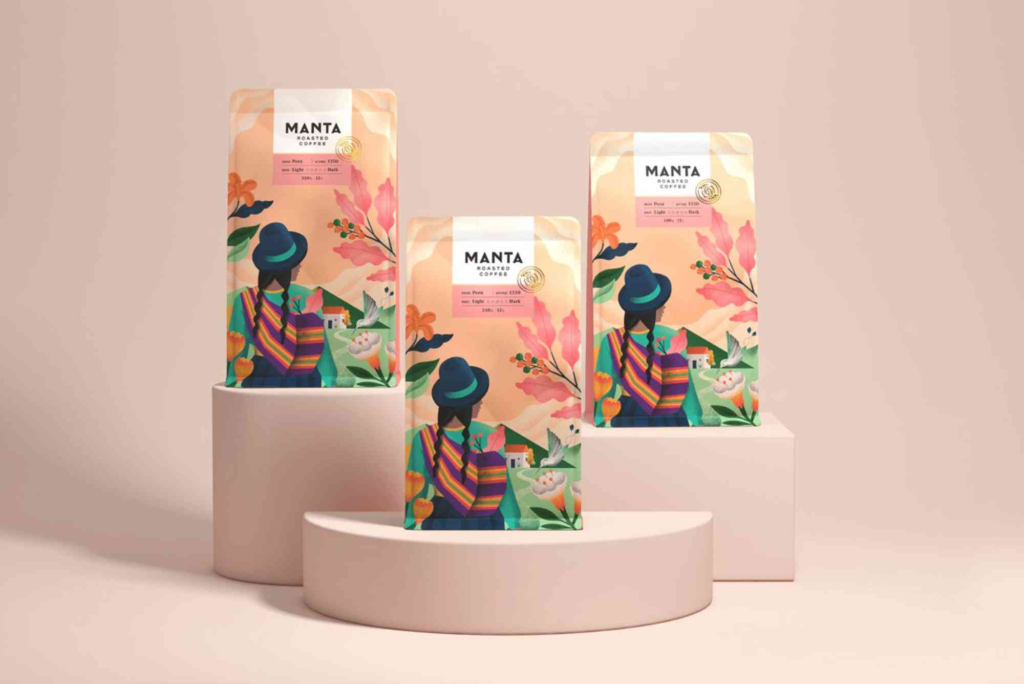
Custom illustrations add personality and originality. Hand-drawn sketches, patterns, or playful drawings can make your product feel approachable. Illustrations also help tell a story. Whether it’s a heritage theme or a modern cartoon style, illustrations humanize your brand.
The key is balance. Ensure the illustrations support the product message rather than overpower it.
Eco-Centric Packaging Design
Sustainable packaging is growing fast. Many brands use recycled paper, compostable materials, and soy-based inks. The design should reflect the environmental values of the company.
Use earthy colours, organic shapes, and texture-heavy paper. Green branding appeals to conscious consumers, especially if the design communicates your sustainability message honestly.
Bold Typography for Strong Brand Presence
Typography can be the main visual element. Large type, dynamic shapes, and custom fonts make your packaging noticeable even from a distance. Bold type works well for modern and trendy brands.
Choose fonts that represent your identity. A serif font feels premium. A geometric sans-serif feels clean and contemporary.
Vintage and Retro Packaging Styles
Vintage design appeals to nostalgia and tradition. It works for food, beverages, grooming products, and handcrafted items. Use old-style typography, classic borders, and muted tones.
Retro design creates emotional warmth. It signals craftsmanship and reliability. Combined with modern usability, it creates a timeless feel.
Interactive Packaging Design
Interactive elements increase engagement. QR codes can lead customers to tutorials, stories, or promo pages. Peel-away labels, hidden messages, and augmented reality filters make packaging fun.
Interactive designs enhance user experience and create shareable moments. This boosts brand exposure on social media.
Photography-Focused Packaging
High-quality photos help customers visualize the product. Food brands use vivid images to increase appetite appeal. Beauty brands use photos to show shades and textures. Photography makes packaging realistic and relatable.
The key is using high-resolution images placed strategically to avoid clutter.
Storytelling Through Packaging
Every brand has a story. Packaging is the ideal medium to display it. A short narrative, mission statement, or origin story builds connection.
Storytelling works best when integrated visually, not placed as a block of text. Use icons, timeline graphics, or subtle paragraphs to guide the audience.
Practical Tips for Implementing Your Graphic Design Packaging Ideas
Balancing Creativity and Practicality
Beautiful packaging is important, but functionality matters too. Your packaging must protect the product, maintain its form, and be easy to open. Think about storage, stacking, shipping, and temperature.
Good design considers real-world use. The size, shape, and weight should match the customer’s expectations.
Prototyping Your Packaging Design
Always test your designs before launch. Print mockups to see how colours appear in real life. Lighting, textures, and materials change how the design looks. Adjust as needed.
Prototyping avoids costly mistakes during mass production.
Working With Packaging Specialists
Experts can help you choose better materials and structures. If you need custom solutions, consider exploring Custom Packaging. Professional guidance helps refine your ideas into reliable and scalable packaging.
Finding Inspiration for New Designs
When you want fresh ideas, explore platforms that showcase modern packaging work. Use resources like packaging design inspiration to study trends, colours, and creative layouts. Inspiration helps you improve your designs and understand global standards.
Local Support for Packaging Development
If you prefer visiting a packaging company in person, you can check directions to Buddy Packaging Location. Seeing materials and samples firsthand helps you make confident decisions.
FAQs
What makes a packaging design effective?
Effective packaging communicates the product clearly and attracts attention. It uses strong visuals, readable text, and consistent branding. It must also be functional and easy to handle.
How do I choose the right colours for packaging?
Choose colours based on emotion, audience, and industry standards. Research your competitors. Test your palette on different materials to ensure accurate printing.
What are the latest trends in packaging design?
Current trends include sustainability, minimalism, bold typography, interactive elements, and paper-based alternatives. These trends focus on aesthetics and eco-friendly functionality.
How important is typography in packaging design?
Typography is crucial. It shapes readability and personality. Good typography guides the customer through the information and sets the tone of your brand.
How can packaging improve customer experience?
Packaging enhances experience through ease of use, visual appeal, and memorable unboxing. When packaging feels premium, customers perceive higher product value.
Graphic design packaging ideas help shape your brand identity and influence customer purchase decisions. Great packaging communicates value, builds trust, and enhances the user experience. When you combine creativity with strategy, your packaging becomes a powerful marketing tool.