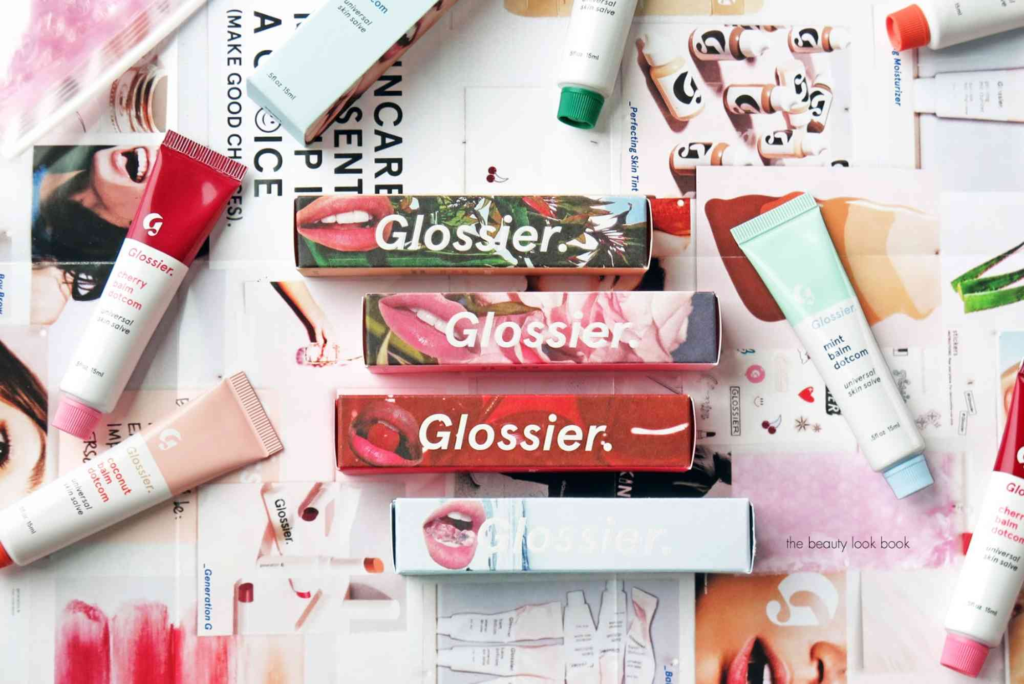
When you think of modern beauty brands, Glossier packaging design instantly comes to mind. It’s minimal, soft, and customer‑centric — creating a look and feel that consumers around the world instantly recognise. But what exactly makes it so iconic? How did Glossier build such a powerful visual identity through packaging alone? In this article, we explore the roots of Glossier’s design philosophy, unpack its key principles, and explain how smart packaging strategy drives brand loyalty.
Right from the outset, this article will show why Glossier packaging design is more than a pretty box. It’s a thoughtful intersection of customer psychology, product usability, and brand storytelling. Whether you’re a designer, marketer, or business owner, there’s plenty to learn about crafting packaging that resonates.
The Origins of Glossier’s Visual Identity
Glossier began as a beauty brand founded on community feedback. What set it apart was its focus on real people over traditional advertising. Rather than push aspirational ideals, Glossier celebrated everyday beauty. This ethos translated into every part of the brand, including packaging design.
The minimalist aesthetic was not a mere trend — it was a strategic choice. In a crowded market of glossy, ornate beauty packaging, Glossier opted for simplicity. Clean typefaces, pastel hues, and tactile materials reflect a brand that wants to feel friendly and accessible.
In many ways, Glossier packaging design feels like a conversation. It doesn’t shout; it invites. The packaging speaks to consumers the same way the brand speaks through its social media, making consistency a key part of its success.
Why Packaging Matters in Beauty Products
Packaging is more than a container. It’s the first physical interaction a customer has with a product. Beauty brands, in particular, rely on visual and tactile cues to evoke emotion. Consumers often choose with their eyes and hands first. Glossier understood this early on.
When packaging feels thoughtful, customers feel appreciated. A package that opens smoothly, with a pleasing texture and clean design, sets the tone for the entire user experience. This emotional response plays a big role in customer satisfaction.
A well‑designed package can even influence purchasing decisions before a customer tests the product. That’s why Glossier packaging design stands out — it aligns product identity with customer expectations in every detail.
Key Principles Behind Glossier Packaging Design
What exactly goes into Glossier packaging design? While the brand never published a strict rulebook, its approach follows certain principles consistently. Each of these contributes to a cohesive brand identity.
Simplicity Over Complexity
One of the most striking features of Glossier packaging is its simplicity. The brand uses clean lines, minimal text, and a restrained colours palette. This simplicity reduces visual clutter and allows the product to speak for itself.
Minimalism isn’t just about appearance. It reflects a deeper understanding of what modern consumers value: clarity, ease, and authenticity. In an age of information overload, simplicity feels refreshing.
Consistent Brand Language
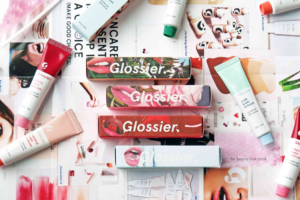
Whether it’s a sticker, a label, or a shipping box, Glossier’s visual language remains consistent. The signature pink and white colours, rounded typefaces, and gentle tones appear in every touchpoint. This consistency builds recognition and strengthens brand memory.
A consistent brand language also reinforces trust. Every time a customer sees that familiar pink, they know what to expect: a trusted product and a thoughtful experience.
Sustainable Thinking (Evolving Approach)
Recently, environmental consciousness has become a bigger part of packaging decisions across all industries, including beauty. While Glossier started with iconic bubble wrap bags and glossy pouches, the brand has been exploring ways to reduce waste.
Reducing unnecessary packaging and using recyclable materials are challenges many brands are addressing today. Brands must balance brand identity with responsibility to the planet. Thoughtful packaging considers both aesthetic and ecological factors.
Packaging as Part of the Customer Experience
Packaging isn’t just about beauty; it’s about experience. When a customer unboxes a product, every moment matters. Glossier understood this long before “unboxing videos” became a viral phenomenon.
Think about the tactile pleasure of the soft touch packaging. The way the product is nestled inside, the quick reveal without complicated wraps — these moments are intentional. They heighten satisfaction and encourage customers to share their experience on social media.
In fact, thoughtfully designed packaging fuels user‑generated content. When customers share photos of their Glossier products, they are effectively broadcasting the brand’s identity worldwide. This organic visibility is invaluable.
How Glossier Influences Broader Design Trends
Influence is one way to measure design success. Glossier packaging design has inspired a wave of brands to embrace minimalism and authenticity. From skincare to lifestyle products, many companies now prioritise clean design and customer‑centric packaging.
Even outside beauty, industries like food, tech, and lifestyle have adopted similar principles. Brands now focus on transparency, simplicity, and thoughtful presentation — all elements Glossier made mainstream.
Another trend influenced by Glossier is focusing on customer communities. Packaging is no longer just functional; it must tell a story. Customers want to feel seen and understood. When packaging carries that emotional relevance, brands build stronger connections.
Lessons for Businesses and Designers
There’s much to learn from Glossier’s packaging success. Regardless of industry, certain lessons apply broadly. First, design should never exist in isolation. It must reflect the brand’s story and values.
Second, always consider the emotional impact of packaging. How does it feel in the customer’s hands? Does it make them feel valued? These questions matter more than elaborate aesthetics.
Third, simplicity doesn’t mean boring. Thoughtful simplicity can communicate elegance, clarity, and confidence. It removes distraction and lets the product shine.
For brands looking to refine their own packaging, there is no single formula. But by studying what works — like the principles behind Glossier packaging design — it’s possible to elevate your own product presentation.
If you’re designing a product today, consider combining voice‑of‑customer feedback with minimalist aesthetics. Prioritise quality materials and avoid unnecessary frills. And never forget that packaging is part of the promise you make to your customer.
When you feel ready to push your packaging further, explore Custom Packaging options. Customisation allows your brand to express identity on every package and create a more memorable experience.
The Role of Design Research and Testing
Effective packaging doesn’t happen by accident. Good design is the result of research, iteration, and testing. Glossier’s approach relied heavily on listening to customer feedback. Early products were influenced by insights from social media, forums, and direct engagement with users.
Design research explores how customers perceive colours, texture, shape, and messaging. For example, simple typefaces may convey clarity, while softer colours may evoke comfort. But these associations vary widely across cultures and demographics.
Testing packaging concepts with real customers ensures that design choices resonate. It helps brands avoid costly redesigns after launch. Whether it’s through focus groups, surveys, or online testing, feedback loops improve the final outcome.
Even colours choices matter. Packaging colours influence moods and purchasing decisions far more than many people realise. Glossier’s choice of soft pink tones signals warmth and approachability, aligning with its brand voice.
Balancing Aesthetics with Practicality
While aesthetics are crucial, practical considerations cannot be ignored. Packaging must protect the product from damage, be easy to open, and minimise waste. Glossier’s design manages this balance well. For example, tubes, bottles, and pouches are intuitive to use and reliably functional.
In some industries, packaging fails because it looks great but performs poorly. Consumers get frustrated when they struggle to open a package or the product spills. Good design must integrate form and function seamlessly.
Increasingly, brands are prioritising sustainability as part of functionality. Packaging that can be repurposed, easily recycled, or even composted adds value beyond aesthetics. The shift toward greener solutions is not a passing trend — it’s a necessary evolution of thoughtful design.
For more insight into fundamental design strategy, explore packaging design tips from seasoned experts. Such guidance reveals how small adjustments can significantly improve consumer perception and usability.
Glossier Packaging Design and Brand Community
One remarkable aspect of Glossier’s success is its cult‑like community. Packaging plays an indirect yet powerful role in cultivating that following. When customers feel proud to show off their products, they become ambassadors for the brand.
Community feedback influenced product development, naming, and even packaging updates. This collaborative mindset builds trust. It makes customers feel like they are part of the journey rather than simply recipients of a product.
In today’s social‑driven consumer culture, brands must consider more than product quality. They must consider the emotional resonance of every touchpoint. Packaging that reflects community values contributes to a stronger, more loyal customer base.
Case Studies: Packaging That Tells a Story
There are few better examples than Glossier’s bubble wrap bags. They became iconic not because they were complicated, but because they felt fun and unique. Customers started sharing them online long before influencer marketing became widespread.
The bubble wrap packaging was tactile, playful, and distinct. It created an experience that customers remembered. Many brands have since tried to replicate that emotional engagement, but few have matched the simplicity and effectiveness of Glossier’s approach.
Another noteworthy element is the use of short, conversational copy on packaging. Glossier’s voice feels like a friendly guide — not a salesman. This tone extends from on‑screen copy to printed packaging text, reinforcing a human connection.
Thinking Ahead: The Future of Beauty Packaging
As consumer expectations evolve, packaging will continue to change. Digital technologies like augmented reality (AR) and smart packaging may become part of the experience. But the core principles remain the same: clarity, emotional resonance, and functionality.
Consumers care about sustainability more than ever. Brands that integrate recyclable materials and ethical design practices will earn trust. Even luxury brands are exploring greener alternatives without sacrificing aesthetics.
Packaging also needs to fit into digital ecosystems. Many customers research products online before purchase, so packaging images must be compelling in digital storefronts as well. Visual consistency across physical and online channels strengthens brand recall.
Finally, packaging must complement product performance. A great package heightens the delight of use but never overshadows the product itself. As competitive markets grow, packaging becomes a key differentiator.
Why Packaging Design Matters
In a crowded beauty market, Glossier packaging design stands out not because it’s flashy, but because it’s intentional. The simplicity, consistency, and emotional resonance create an experience customers remember and share.
Every brand can learn something from Glossier’s approach. Packaging is not an afterthought. It’s a strategic ingredient in building connection, trust, and loyalty. Whether you are launching a new product or refreshing an existing one, thoughtful packaging strengthens your brand story.
If you’re ready to elevate your own products, start by investing in high‑quality packaging. Custom packaging can help your products make a memorable first impression. Take lessons from design leaders, mix them with your unique brand voice, and always prioritise the customer experience.
Would you like more insight into how strong design drives customer engagement? Buddy Packaging Location Let’s talk about how you can apply these principles to your own brand today.
Frequently Asked Questions
What makes Glossier packaging design so iconic?
Glossier’s packaging design stands out due to its minimal aesthetic, consistent visual language, and strong emotional appeal. The brand’s simple typography and soft colours palette contribute to a welcoming and recognisable identity.
How does packaging affect customer perception?
Packaging affects customer perception by shaping emotional response before the product is even used. Clean, thoughtful packaging can communicate quality, build trust, and enhance the unboxing experience, making customers feel valued.
Can packaging design influence sales?
Yes. Packaging is often the first thing customers see and touch. Well‑designed packaging can attract attention, communicate value, and sway purchasing decisions, especially in competitive markets like beauty.
Is Glossier’s packaging sustainable?
While Glossier initially focused on iconic aesthetic packaging, the brand has been making efforts toward more sustainable materials and reduced waste. Sustainable packaging remains an evolving focus across the beauty industry.
How can small brands improve their packaging?
Small brands can improve packaging by understanding customer preferences, investing in quality materials, and prioritising clarity in design. Exploring expert packaging design tips and seeking feedback can uncover opportunities for refinement.