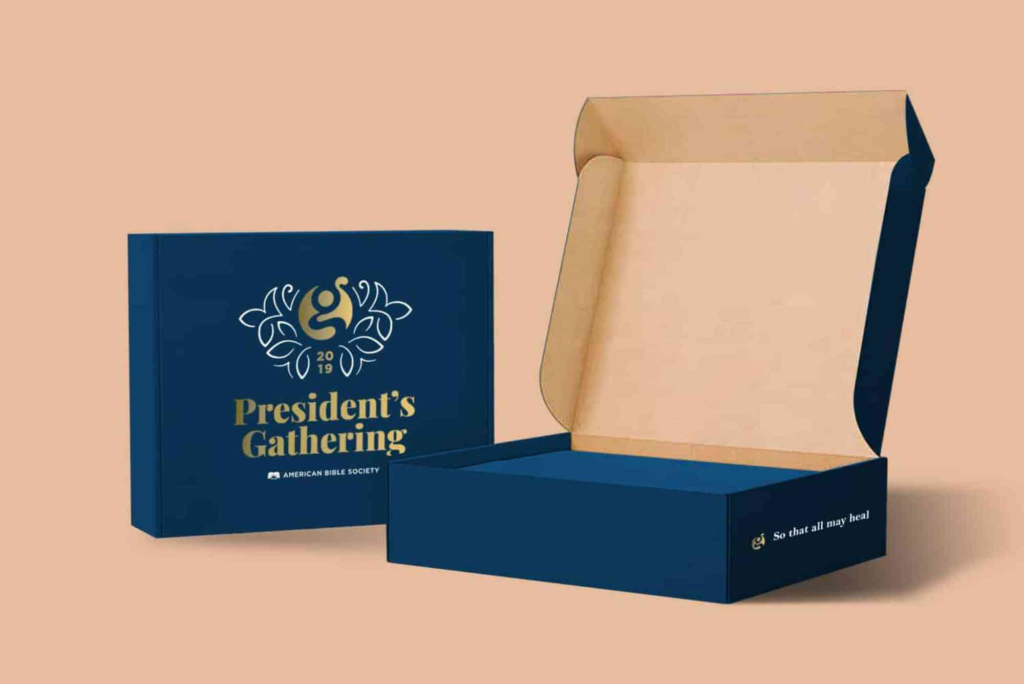
Future Packaging Design – Trends, Technology & Sustainability
Future packaging design is no longer just about aesthetics. It’s about sustainability, technology, consumer psychology, and brand storytelling working together in one intelligent system. As environmental regulations tighten and customer expectations rise, brands must rethink how packaging functions, feels, and communicates value.
In 2025 and beyond, future packaging design blends eco-conscious materials, smart technology, and personalized branding to create meaningful consumer experiences. Businesses that adapt early gain not just market relevance but long-term loyalty.
This guide explores where future packaging design is headed, how businesses can prepare, and what practical strategies you can apply today.
Why Future Packaging Design Matters More Than Ever
Packaging has evolved from a protective shell into a strategic marketing asset. The modern consumer judges a product within seconds—often based on packaging alone.
Environmental Responsibility Drives Innovation
Sustainability is no longer optional. Governments across Europe and the UK are introducing stricter waste regulations, and consumers expect brands to minimize their environmental footprint.
Future packaging design prioritizes:
- Biodegradable materials
- Recyclable mono-material structures
- Compostable packaging solutions
- Minimalist structural designs to reduce waste
Brands investing in eco-friendly packaging are seeing stronger consumer trust and increased repeat purchases.
Packaging as a Brand Experience
Unboxing has become a shareable moment. Social media platforms reward visually appealing, unique packaging. Future packaging design considers:
- Texture and tactile experience
- Structural creativity
- Emotional storytelling
- Reusable packaging concepts
Premium packaging is no longer limited to luxury brands. Even small businesses are leveraging high-quality Custom Packaging to differentiate themselves in crowded markets.
Key Trends Shaping Future Packaging Design
Let’s explore the major innovations driving the next generation of packaging solutions.
Smart Packaging Technology
Future packaging design integrates digital features such as:
- QR codes for traceability
- NFC chips for product authentication
- Temperature-sensitive labels
- Augmented reality (AR) interactions
Smart packaging bridges the gap between physical and digital experiences. Consumers can scan packaging to verify authenticity, access tutorials, or learn about sustainability efforts.
Sustainable Materials Revolution
The materials landscape is rapidly evolving. Emerging materials include:
- Mushroom-based packaging
- Seaweed bioplastics
- Recycled cardboard composites
- Plant-based inks
Future packaging design emphasizes circular economy principles—designing packaging that can be reused, recycled, or composted efficiently.
Minimalist Structural Design
Less is more. Brands are reducing unnecessary layers and eliminating plastic inserts. Structural engineers now collaborate closely with graphic designers to optimize material use.
Future packaging design focuses on:
- Flat-pack structures
- Foldable designs
- Glue-free assemblies
- Modular packaging systems
This reduces shipping costs and carbon emissions while improving supply chain efficiency.
The Role of Technology in Future Packaging Design
Technology is accelerating innovation across every stage of packaging development.
AI & Predictive Design Systems
Design software powered by AI analyzes consumer data to recommend layouts, materials, and colour schemes. It predicts how packaging will perform in retail environments.
Future packaging design benefits from:
- Automated prototype simulations
- Data-driven colour psychology
- Consumer preference analytics
3D Printing for Prototyping
Rapid prototyping through 3D printing reduces development time dramatically. Brands can test structural packaging models before full production.
This allows businesses to refine their future packaging design strategy without expensive trial-and-error manufacturing.
Digital Printing & Customisation
On-demand printing enables personalisation at scale. Short-run packaging is becoming more cost-effective.
Brands now experiment with:
- Seasonal editions
- Personalised names
- Limited collaboration designs
For practical guidance, many designers refer to professional packaging design tips to stay ahead of creative and technical trends.
Consumer Psychology & Future Packaging Design
Understanding human behavior is essential for effective packaging.
Colour & Emotional Response
Colours influence purchasing decisions subconsciously. For example:
- Green signals sustainability
- Black suggests luxury
- Blue conveys trust
- Yellow implies energy
Future packaging design carefully balances brand identity with emotional triggers.
Transparency & Trust
Clear labeling and visible materials build credibility. Consumers want to know:
- Where materials come from
- Whether packaging is recyclable
- How to dispose of it properly
Transparency strengthens brand authenticity.
Accessibility & Inclusivity
Designing packaging accessible to all users—including elderly and disabled customers—is becoming standard practice.
Future packaging design considers:
- Easy-open mechanisms
- Braille labeling
- High-contrast typography
- Ergonomic grip structures
Inclusive design improves usability and widens market reach.
Sustainability Regulations & Industry Standards
In the UK and EU markets, Extended Producer Responsibility (EPR) policies require brands to manage packaging waste responsibly.
Future packaging design must align with:
- Reduced plastic usage mandates
- Carbon footprint tracking
- Recyclability benchmarks
- FSC-certified materials
Brands operating locally can collaborate with packaging providers familiar with compliance standards. Businesses near Buddy Packaging Location benefit from working directly with specialists who understand regional sustainability regulations.
Circular Economy & Closed-Loop Systems
The circular economy model aims to eliminate waste entirely.
Reusable Packaging Systems
Subscription brands are testing returnable packaging programs. Durable boxes circulate between company and customer.
Compostable Innovations
Compostable packaging breaks down naturally within months. This reduces landfill waste significantly.
Future packaging design prioritizes life-cycle assessments to measure environmental impact from production to disposal.
E-Commerce & Future Packaging Design
Online shopping continues to grow, transforming packaging requirements.
Shipping Durability
E-commerce packaging must withstand transportation stress. Future packaging design includes shock-resistant structures without excessive filler materials.
Unboxing Experience
First impressions matter more in online retail. Brands design:
- Branded inner prints
- Personalised thank-you cards
- Eco-friendly filler materials
The box itself becomes a marketing channel.
Data-Driven Decision Making
Analytics now shape packaging strategy.
Brands measure:
- Damage rates
- Consumer feedback
- Return frequency
- Social media engagement
Future packaging design evolves continuously based on real-world performance data.
Challenges in Implementing Future Packaging Design
Despite exciting innovations, businesses face obstacles.
Higher Initial Costs
Sustainable materials can be more expensive upfront. However, long-term benefits include:
- Increased brand loyalty
- Regulatory compliance
- Reduced waste management fees
Supply Chain Complexity
Switching materials or structural designs may require supplier adjustments. Planning and testing are essential.
How Businesses Can Prepare Today
- Conduct a packaging audit
- Evaluate sustainability gaps
- Research emerging materials
- Invest in smart packaging pilots
- Partner with experienced suppliers
Future packaging design requires strategic thinking rather than reactive changes.
The Road Ahead for Future Packaging Design
Future packaging design is about balance—innovation with responsibility, creativity with functionality, and sustainability with profitability.
Brands that embrace change today will lead tomorrow’s markets. Whether through eco-friendly materials, smart packaging technology, or personalised design systems, the opportunities are vast.
Packaging is no longer just a container. It is a communication tool, an environmental statement, and a competitive advantage.
Build Smarter with Future Packaging Design
The shift toward future packaging design is inevitable. Consumers demand transparency, sustainability, and meaningful brand experiences. Companies that adapt will not only comply with regulations but also strengthen their market position.
FAQs
What is future packaging design?
Future packaging design refers to innovative packaging solutions focused on sustainability, smart technology, and enhanced consumer experience.
Why is sustainable packaging important?
Sustainable packaging reduces environmental impact, meets regulatory requirements, and builds customer trust.
What materials will dominate future packaging design?
Biodegradable plastics, recycled cardboard, plant-based composites, and compostable materials are expected to dominate.
How does smart packaging work?
Smart packaging integrates digital technologies like QR codes and NFC chips to provide product information and authentication.
Is future packaging design more expensive?
Initially, it can cost more, but long-term savings and brand growth often offset the investment.