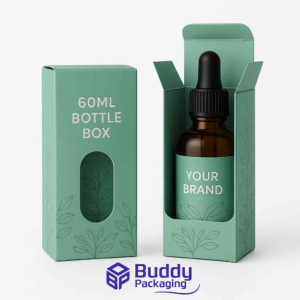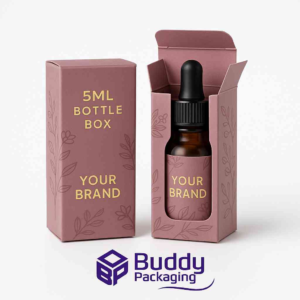
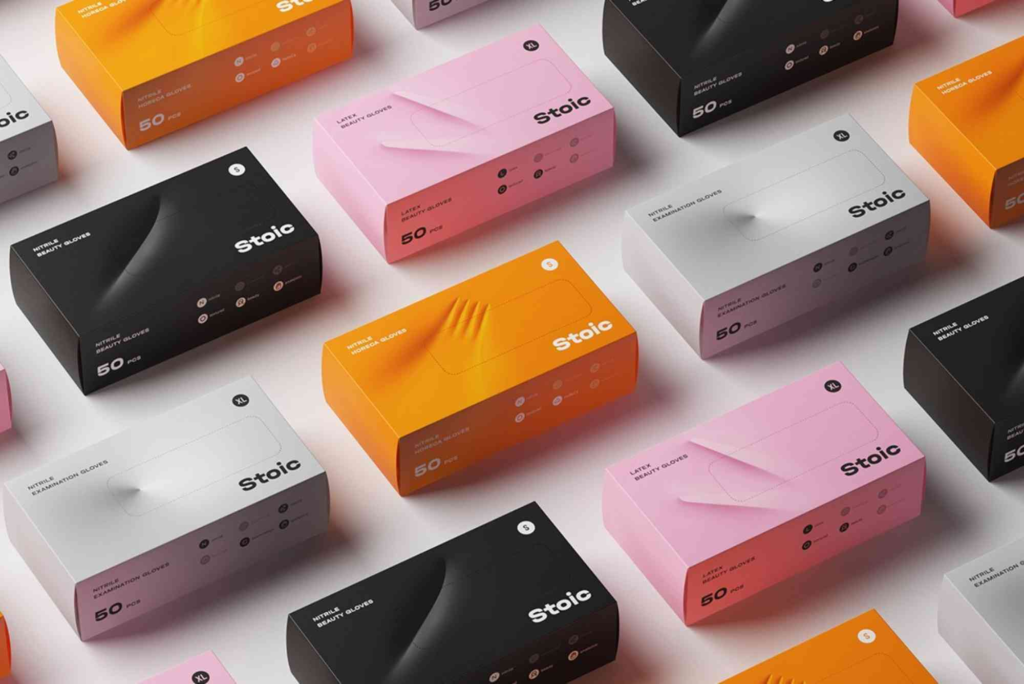
The Future Of Packaging Design is transforming faster than ever before. As consumer behavior evolves and technology advances, brands must rethink how they design, produce, and deliver packaging. Today, packaging is not just about protection. It is about storytelling, sustainability, and smart functionality.
Businesses that embrace the Future Of Packaging Design gain a competitive edge. They create memorable unboxing experiences while reducing environmental impact. In addition, modern packaging influences buying decisions at the shelf and online. Let’s explore how innovation, sustainability, and digital transformation are shaping the next era of packaging.
Why the Future Of Packaging Design Matters More Than Ever
The Future Of Packaging Design is driven by changing consumer expectations. Customers now demand eco-friendly materials, minimal waste, and transparent brand values. They want packaging that aligns with their lifestyle and ethics. As a result, brands must innovate to stay relevant in crowded markets.
Moreover, e-commerce growth has reshaped packaging requirements. Products must withstand shipping while still looking attractive on arrival. This shift has forced designers to balance durability with aesthetics. Consequently, packaging is now both a protective layer and a marketing tool.
Regulatory pressures also influence the Future Of Packaging Design. Governments worldwide enforce stricter sustainability standards. Companies must comply while maintaining profitability. Therefore, innovation is no longer optional; it is essential for survival.
Sustainability as the Core of the Future Of Packaging Design
Sustainability is the backbone of the Future Of Packaging Design. Consumers increasingly choose brands that reduce environmental impact. This trend has pushed companies to adopt recyclable, compostable, and biodegradable materials. The focus is on reducing carbon footprints without compromising quality.
Bioplastics, plant-based materials, and recycled fibers are gaining popularity. Brands also experiment with refillable systems to reduce waste. According to research shared by organizations like World Economic Forum, sustainable innovation is critical for long-term business resilience.
Furthermore, minimalist packaging designs reduce material usage. Less ink, fewer layers, and smarter shapes lower production costs. At the same time, they improve brand perception. The Future Of Packaging Design blends environmental responsibility with smart cost management.
Smart Technology and the Digital Transformation of Packaging
Technology plays a significant role in the Future Of Packaging Design. Smart packaging solutions integrate QR codes, NFC chips, and augmented reality features. These technologies connect consumers directly to brands. A simple scan can reveal product origin, usage instructions, or promotional content.
For example, tech companies like Tetra Pak have introduced intelligent packaging systems. These solutions improve supply chain transparency and product safety. They also enhance user engagement through digital storytelling.
In addition, data-driven design tools streamline packaging development. Designers use AI-powered software to test prototypes virtually. This reduces production waste and speeds up time to market. The Future Of Packaging Design is increasingly data-driven and digitally connected.
Personalisation and Custom Experiences
Personalisation is redefining the Future Of Packaging Design. Modern consumers appreciate brands that speak directly to them. Limited-edition prints, personalized messages, and regional designs create emotional connections. As a result, packaging becomes part of the product experience.
Digital printing technology allows small-batch customization. Brands can target specific demographics without high production costs. This flexibility strengthens customer loyalty and enhances brand recognition.
Companies offering Custom Packaging solutions help businesses adapt quickly. Innovative providers like Custom Packaging enable brands to create tailored designs that align with marketing campaigns. Personalisation is no longer a luxury. It is a strategic necessity in the Future Of Packaging Design.
The Role of Minimalism and Functional Aesthetics
Minimalism continues to influence the Future Of Packaging Design. Clean layouts, neutral colors, and clear typography create modern appeal. Consumers associate minimal designs with transparency and authenticity. Therefore, brands use simplicity to communicate trust.
Functional aesthetics also matter. Easy-open features, resealable closures, and ergonomic shapes improve usability. Good packaging design balances beauty and practicality. It should feel intuitive and effortless.
Designers often explore advanced creative techniques through expert platforms like packaging design tips. These insights help refine visual hierarchy and material choices. In the Future Of Packaging Design, less is often more, but purpose remains essential.
E-Commerce and the Reinvention of Shipping Packaging
The rise of online shopping has transformed the Future Of Packaging Design. E-commerce packaging must protect products during transit. At the same time, it must deliver a memorable unboxing experience. Customers often share these experiences on social media, increasing brand exposure.
Protective inserts, lightweight materials, and tamper-proof seals are now standard. However, brands also invest in premium finishes. A well-designed shipping box can turn a simple delivery into a marketing moment.
Sustainable shipping solutions are gaining traction as well. Recyclable mailers and compostable fillers reduce environmental impact. Consequently, the Future Of Packaging Design integrates logistics efficiency with environmental awareness.
The Integration of Circular Economy Principles
Circular economy principles are central to the Future Of Packaging Design. Instead of single-use systems, brands now design for reuse and recycling. This approach reduces waste and extends product life cycles.
Companies collaborate with recycling organizations to create closed-loop systems. Packaging materials are collected, processed, and reused. Such initiatives demonstrate corporate responsibility and build consumer trust.
Global brands inspired by sustainability leaders like Patagonia integrate environmental values into their operations. Similarly, packaging designers adopt eco-conscious frameworks. The Future Of Packaging Design supports a circular and regenerative economy.
Human-Centered Design and Emotional Branding
The Future Of Packaging Design prioritizes human experience. Packaging should evoke emotion, tell a story, and build trust. Emotional branding creates memorable interactions that go beyond the product itself.
Texture, color psychology, and typography influence perception. Warm tones can signal comfort, while bold designs convey innovation. Every detail matters in shaping customer impressions.
When brands combine storytelling with sustainability, they build deeper connections. The Future Of Packaging Design merges creativity with empathy. It ensures packaging resonates with real human needs and values.
Local Innovation and Global Impact
Packaging innovation often begins at the local level. Regional suppliers experiment with materials and printing techniques. Over time, successful models scale globally. Businesses can explore innovative partners through resources like Buddy Packaging Location.
Local production reduces transportation emissions and supports communities. At the same time, global distribution spreads sustainable practices worldwide. The Future Of Packaging Design balances local craftsmanship with international standards.
As sustainability awareness grows, consumers appreciate brands that invest in local ecosystems. This approach enhances authenticity and strengthens brand loyalty.
Regulatory Compliance and Ethical Responsibility
Compliance plays a critical role in the Future Of Packaging Design. Governments impose stricter regulations on plastic use and labeling transparency. Brands must adapt quickly to avoid penalties and reputational damage.
Ethical sourcing is equally important. Companies now verify supply chains to ensure responsible material sourcing. Transparent labeling builds trust and improves brand credibility.
Organizations such as Ellen MacArthur Foundation promote circular design standards. These guidelines influence packaging policies worldwide. The Future Of Packaging Design aligns innovation with ethical accountability.
The Business Advantage of Forward-Thinking Packaging
Investing in the Future Of Packaging Design offers measurable benefits. Sustainable packaging reduces long-term costs through material efficiency. Smart packaging enhances consumer engagement and brand loyalty. Personalized solutions increase customer retention.
Moreover, forward-thinking packaging strengthens brand differentiation. In saturated markets, design becomes a silent salesperson. It communicates value instantly. Businesses that prioritize innovation gain trust and market share.
By integrating sustainability, technology, and personalisation, companies future-proof their operations. The Future Of Packaging Design is not a passing trend. It is a strategic investment in long-term growth.
Embracing the Future Of Packaging Design
The Future Of Packaging Design is dynamic, innovative, and deeply connected to sustainability. It combines smart technology, minimalist aesthetics, and human-centered storytelling. As consumer expectations evolve, brands must adapt with purpose and creativity.
Businesses that embrace sustainable materials, digital integration, and personalized experiences will lead the market. Packaging is no longer just a container. It is a brand ambassador and environmental statement.
Now is the time to rethink your packaging strategy. Explore innovative solutions, prioritize sustainability, and invest in design excellence. The Future Of Packaging Design starts with bold decisions today. Take action and transform your packaging into a powerful growth driver.
Frequently Asked Questions (FAQs)
What is the Future Of Packaging Design?
The Future Of Packaging Design focuses on sustainability, smart technology, and personalisation. It integrates eco-friendly materials with digital features to enhance user experience. Modern packaging also supports circular economy principles and regulatory compliance.
How is sustainability shaping the Future Of Packaging Design?
Sustainability drives material innovation and waste reduction. Brands adopt recyclable and biodegradable materials to meet consumer expectations. Sustainable practices also improve brand reputation and reduce long-term costs.
What role does technology play in the Future Of Packaging Design?
Technology enables smart packaging solutions like QR codes and NFC tags. These features enhance transparency and customer engagement. Digital tools also streamline design processes and reduce waste.
Why is personalisation important in modern packaging?
Personalisation strengthens emotional connections with consumers. Customized packaging enhances brand loyalty and improves customer retention. It also differentiates products in competitive markets.
How can businesses prepare for the Future Of Packaging Design?
Businesses should invest in sustainable materials, adopt smart technology, and prioritize customer experience. Collaborating with innovative packaging providers ensures adaptability. Staying informed about industry trends is key to long-term success.