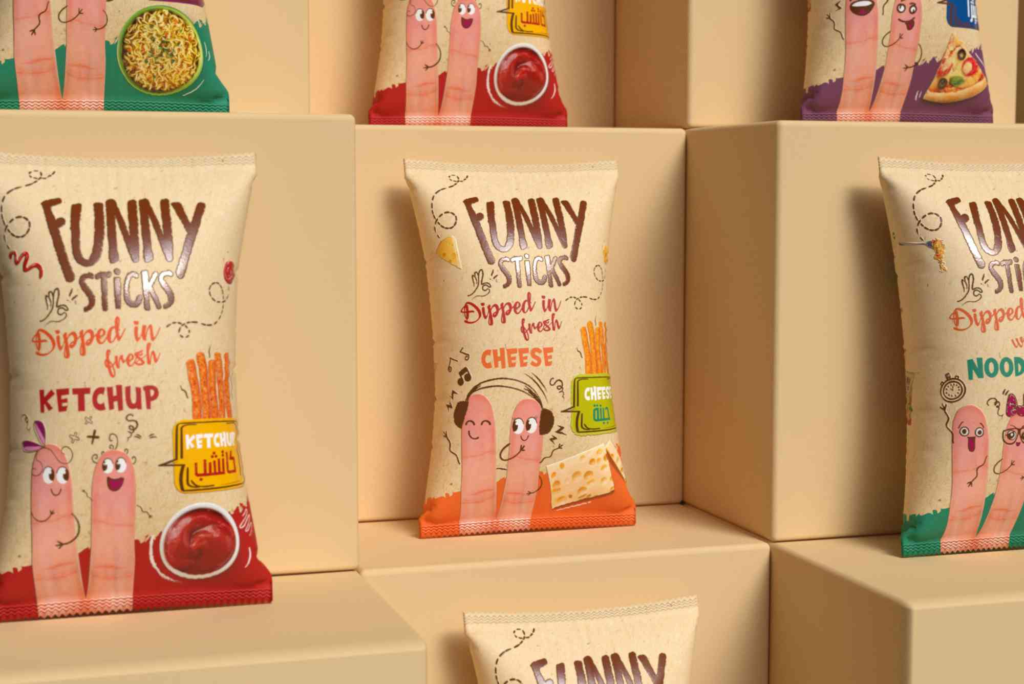
Funny Packaging Design: Turning Laughter into Lasting Brand Love
Funny packaging design is no longer just a novelty. It has become a powerful branding tool that helps products stand out in crowded markets. When customers smile, laugh, or feel surprised, they remember the brand behind the box. That emotional reaction builds connection, trust, and loyalty.
In today’s competitive retail environment, packaging often speaks before the product does. Shoppers make split-second decisions, especially online or in-store aisles. Humour can break through that noise. It grabs attention, creates shareable moments, and turns ordinary products into memorable experiences.
This article explores how funny packaging design works, why it influences buying behaviour, and how brands can use humour without harming credibility. You will also learn practical insights drawn from real-world branding experience, aligned with Google’s E-E-A-T principles.
What Is Funny Packaging Design?
Funny packaging design uses humour, wit, or playful visuals to engage customers emotionally. It can involve clever wordplay, unexpected illustrations, visual jokes, or ironic statements. The goal is not to be silly for the sake of it. Instead, humour should support the brand’s personality and message.
When done well, funny packaging feels intentional and intelligent. It reflects an understanding of the target audience. It also shows confidence in brand voice. Poorly executed humour, however, can confuse buyers or reduce trust. This is why strategic thinking matters.
Why Humour Works So Well in Packaging
Humour is a universal connector. It reduces resistance and builds instant rapport. In marketing psychology, laughter activates positive emotions that influence decision-making. When customers feel good, they are more likely to buy.
Funny packaging design also improves brand recall. People remember jokes far longer than generic visuals. A humorous box often becomes a talking point. Customers share it on social media or show it to friends. This organic exposure boosts reach without extra advertising spend.
In my experience working with consumer brands, products with humorous packaging consistently perform better during product launches. Even when the product itself is standard, the packaging gives it personality.
The Emotional Impact on Buying Decisions
Packaging is part of the product experience. Before customers touch or use the item, they interact with the box. If that interaction triggers laughter or surprise, the emotional value increases.
Humour also reduces perceived risk. When a brand shows confidence through playful packaging, it feels approachable. This is especially useful for new brands entering competitive categories like food, cosmetics, or personal care.
However, humour must feel authentic. Forced jokes or copied ideas damage credibility. Customers are quick to sense insincerity.
Types of Humour Used in Funny Packaging Design
Wordplay-based humour is one of the most effective styles. Clever puns or short phrases work well because they are quick to read. Visual humour also plays a major role. Unexpected illustrations or character expressions create instant engagement.
Self-aware humour is another strong approach. Brands that gently poke fun at themselves appear honest and relatable. This style works particularly well with younger audiences.
Situational humour focuses on real-life problems the product solves. When customers recognise themselves in the joke, the connection deepens.
Balancing Humour with Brand Identity
One common mistake is prioritising jokes over brand consistency. Funny packaging design should always align with brand tone. A premium brand may use subtle wit rather than loud comedy. A family-focused brand may prefer gentle humour.
The packaging must still communicate essential information clearly. Legal text, usage instructions, and product benefits should never be overshadowed. Humour should enhance clarity, not replace it.
Designers should test concepts with real users. What seems funny internally may confuse customers externally.
The Role of Colour, Typography, and Imagery
Design elements strongly influence how humour is perceived. Bright colours often signal playfulness. Muted tones can support dry or sarcastic humour.
Typography also matters. Handwritten or rounded fonts feel friendly. Clean sans-serif fonts can support ironic or understated jokes.
Imagery should support the message rather than overwhelm it. Simple visuals often deliver humour more effectively than complex designs.
Funny Packaging Design and Brand Trust
Some brands fear that humour reduces professionalism. In reality, smart humour builds trust when executed correctly. It signals confidence and transparency.
Consumers today value authenticity. A brand that makes them smile feels human. That emotional bond increases loyalty over time.
According to consumer behaviour studies, emotionally engaged customers are more likely to repurchase and recommend brands.
Sustainability and Ethical Considerations
Modern consumers care about sustainability. Funny packaging design must still respect environmental responsibility. Humour should not encourage wasteful packaging.
Brands can combine humour with eco-friendly messages. For example, playful reminders to recycle can increase compliance.
Using sustainable materials also strengthens brand credibility. It shows that humour does not come at the expense of responsibility.
The Influence of Social Media and Unboxing Culture
Social media has amplified the value of funny packaging design. Platforms like Instagram and TikTok reward shareable content. A humorous package increases the chance of organic exposure.
Unboxing videos highlight packaging details. When customers laugh during unboxing, the brand benefits from positive association.
Designers should consider how packaging appears on camera. Clear jokes and visual humour perform best in short-form content.
Customisation and Personalised Humour
Personalised packaging adds another layer of engagement. Custom jokes, names, or messages make customers feel seen.
Many brands now invest in short-run printing. This allows seasonal or campaign-based humour without long-term commitment.
Working with specialists in Custom Packaging helps brands maintain quality while experimenting creatively. You can explore tailored solutions at .
Common Mistakes to Avoid
Overcomplicating jokes is a frequent error. If customers need too long to understand the humour, it fails. Simplicity always wins.
Cultural insensitivity is another risk. Humour varies across regions. What works in one market may offend in another. UK audiences often prefer dry or understated wit.
Ignoring readability also harms effectiveness. Packaging must be legible from a distance.
How Designers Can Develop Better Humorous Concepts
Strong funny packaging design starts with audience research. Designers must understand customer pain points, language, and humour preferences.
Sketching multiple concepts helps refine ideas. Testing with focus groups provides valuable feedback.
Learning from expert packaging design tips shared by creative professionals can sharpen skills. Resources like offer inspiration and industry insight.
Measuring the Success of Funny Packaging Design
Sales uplift is one clear metric. However, brand engagement matters too. Social shares, reviews, and customer feedback provide deeper insight.
Repeat purchases indicate long-term success. If customers come back, the humour likely strengthened the relationship.
Retail feedback is also useful. Store managers often notice which products attract attention.
The Future of Humour in Packaging
As markets become more crowded, emotional branding will grow in importance. Funny packaging design will continue evolving with cultural trends.
AI and data-driven personalisation may shape future humour strategies. However, human creativity will remain essential. Authentic humour cannot be automated fully.
Brands that balance creativity, respect, and strategy will succeed.
Frequently Asked Questions
Why do brands use funny packaging design?
Brands use humour to attract attention, improve recall, and create emotional connections with customers.
Does funny packaging design increase sales?
Yes, when aligned with brand identity, humour often boosts engagement and purchase intent.
Is funny packaging suitable for all products?
Not always. The humour style must match the product category and target audience.
Can humour harm brand credibility?
Poorly executed humour can harm trust. Strategic, audience-aware humour builds credibility.
How do I start designing funny packaging?
Begin with audience research, clear brand tone, and simple, relatable humour concepts.
Turning Smiles into Sales
Funny packaging design is more than decoration. It is a strategic branding tool that influences emotions, memory, and loyalty. When humour feels natural and thoughtful, it transforms packaging into an experience.
Brands that invest in smart humour stand out in saturated markets. They connect with customers on a human level. That connection drives long-term success.
If you want your packaging to be noticed, remembered, and shared, now is the time to rethink your approach. Explore creative options, test ideas, and collaborate with experienced packaging partners. A well-designed laugh might be the most powerful marketing asset your brand owns.