Introduction
Fresh food packaging design plays a vital role in how consumers judge quality, safety, and freshness. In today’s competitive food market, packaging is no longer just a container. It is a communication tool that protects food, extends shelf life, and shapes buying decisions. When done well, it reassures shoppers, reduces waste, and strengthens brand credibility. When done poorly, it can lead to spoilage, mistrust, and lost sales.
In the UK market, consumers are more informed than ever. They care about freshness, sustainability, and transparency. This makes fresh food packaging design a strategic investment rather than a cost. Brands that understand this gain a clear advantage.
Why fresh food packaging design matters
Fresh food is sensitive to air, moisture, light, and bacteria. Packaging must control these elements while remaining practical and appealing. A strong design protects food from contamination and damage during transport and storage. At the same time, it must communicate freshness at a glance.
Shoppers often decide within seconds. Clear visuals, honest labelling, and smart structure help products stand out. Fresh food packaging design also builds trust. When customers see well-sealed, thoughtfully designed packaging, they feel confident about safety and quality.
The role of consumer psychology
Packaging influences perception before taste. Colour, texture, and shape all signal freshness. Green often suggests natural produce. Transparent windows suggest honesty. Minimal designs imply purity and care.
Fresh food packaging design should match consumer expectations. For example, organic buyers prefer natural tones and recyclable materials. Busy urban shoppers value convenience and resealability. Understanding these behaviours allows brands to design packaging that connects emotionally.
Materials used in fresh food packaging design
Material choice is central to performance and perception. Each option offers benefits and limitations, depending on the product.
Paper and cardboard solutions
Paper-based packaging is popular for fruit, vegetables, and bakery items. It is breathable, lightweight, and widely recyclable. Cardboard trays and sleeves provide structure without trapping excess moisture. However, they often require coatings or liners for wet foods.
Plastic and flexible packaging
Despite criticism, plastic remains common in fresh food packaging design. It offers excellent barrier protection and visibility. Modified atmosphere packaging uses plastics to slow spoilage by controlling oxygen levels. The challenge lies in reducing environmental impact through thinner films and recyclable polymers.
Glass and rigid containers
Glass is associated with premium quality and safety. It does not absorb odours and is fully recyclable. However, it is heavier and less practical for everyday fresh produce. It suits sauces, dairy, and prepared foods more than loose items.
Sustainability in fresh food packaging design
Sustainability is no longer optional. UK consumers expect brands to reduce waste and use responsible materials. Fresh food packaging design must balance protection with environmental impact.
Reducing food waste is a key sustainability goal. Packaging that extends shelf life can prevent tonnes of food from being thrown away. At the same time, brands must minimise excess material. Right-sizing packaging helps achieve both aims.
Compostable and recyclable options are growing. Clear labelling is essential so consumers know how to dispose of packaging correctly. Confusing messages can undermine even the best intentions.
Design elements that communicate freshness
Visual clarity is crucial. Fresh food packaging design should feel clean, open, and honest. Overcrowded graphics can suggest processing or artificiality.
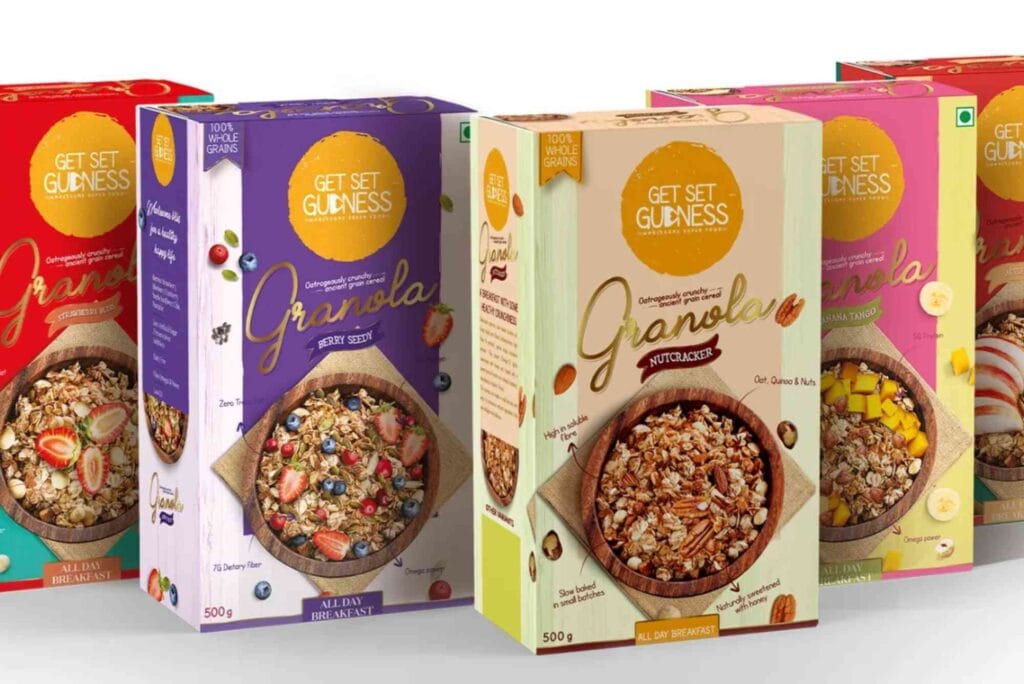
Typography should be readable and calm. Sans-serif fonts often work well. Imagery should be realistic rather than exaggerated. High-quality photography or simple illustrations can reinforce freshness without overpromising.
Structural design also matters. Ventilation holes, easy-open seals, and resealable closures improve usability. These features show that the brand understands real-life needs.
Branding and differentiation
In crowded chillers and shelves, packaging is the brand’s voice. Fresh food packaging design must balance category norms with distinct identity. Standing out does not mean ignoring expectations. It means refining them.
Consistent colours, logos, and messaging build recognition. However, flexibility is important across product ranges. Seasonal updates and limited editions can refresh the look without confusing loyal customers.
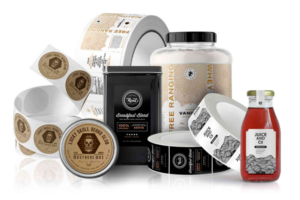
Working with specialists in Custom Packaging can help brands achieve this balance. Tailored solutions allow for precise sizing, material choice, and brand expression, all while meeting food safety standards. You can explore custom options at to see how structure and branding work together.
Compliance and food safety considerations
Fresh food packaging design must comply with strict regulations. In the UK, packaging materials must be food-safe and properly tested. Labelling must include clear information on allergens, storage, and use-by dates.
Designers need to consider ink safety, migration risks, and barrier performance. Poor choices can lead to contamination or legal issues. This is why collaboration between designers, suppliers, and food technologists is essential.
Technology and innovation in packaging
Innovation continues to reshape fresh food packaging design. Smart packaging is gaining traction. Time-temperature indicators show whether food has been stored correctly. QR codes link to sourcing information, recipes, or sustainability details.
Active packaging technologies can absorb moisture or release preservatives. These solutions extend freshness without additives. While costs can be higher, they often pay off through reduced waste and higher consumer trust.
The importance of transparency
Modern shoppers value openness. They want to know where food comes from and how it is handled. Fresh food packaging design should support this demand.
Clear windows allow customers to inspect produce. Honest claims build credibility. Avoid vague terms and focus on verifiable benefits. Transparency strengthens brand reputation over time.
Learning from global design trends
Looking beyond local markets can spark creativity. Studying international examples provides insight into structure, colour, and storytelling. Platforms focused on packaging design inspiration showcase how brands worldwide approach freshness and sustainability. Exploring resources like helps designers stay informed and inspired without copying trends blindly.
Balancing cost and quality
Budget constraints are real, especially for small producers. However, cutting corners in fresh food packaging design often costs more in the long run. Damaged goods, short shelf life, and poor perception hurt profitability.
Smart design focuses on efficiency. Using fewer materials, optimising shapes for transport, and choosing scalable solutions can reduce costs. Investing in quality design upfront leads to stronger returns.
Evolving expectations in the UK market
UK consumers are increasingly health-conscious and environmentally aware. Fresh food packaging design must reflect these values. Simple language, clear nutritional information, and sustainable cues matter.
Retailers also influence design. Supermarkets have strict guidelines on dimensions, materials, and labelling. Meeting these requirements while maintaining brand identity is a key challenge.
The future of fresh food packaging design
The future points towards smarter, lighter, and more responsible packaging. Digital printing allows shorter runs and personalisation. This suits local producers and seasonal products.
Refill systems and reusable packaging are being tested, especially for produce. While not suitable for all categories, they signal a shift in thinking. Fresh food packaging design will continue to evolve alongside consumer habits and technology.
Fresh food packaging design is a powerful tool that combines protection, communication, and brand value. It influences how food is perceived, handled, and enjoyed. In a market driven by trust and sustainability, thoughtful design makes a real difference.
Brands that invest in clear, functional, and responsible packaging build stronger relationships with consumers. They reduce waste, improve shelf life, and stand out with confidence. If you want your fresh food products to succeed, now is the time to rethink your packaging strategy and work with experts who understand both design and food safety.
Take the next step by reviewing your current packaging. Ask whether it truly reflects freshness, quality, and care. The right design can transform how customers see your food.
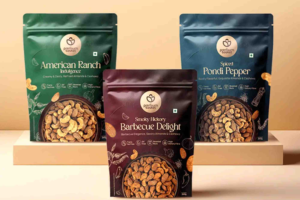
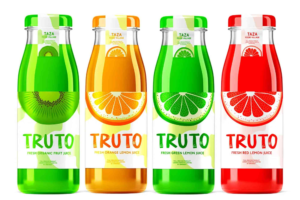
Fruit Juice Packaging Design Fruit juice packaging design plays a vital role in attracting consumers and protecting freshness. Effective designs use vibrant colours, clear labelling, and sustainable materials to highlight natural ingredients. Well-designed packaging builds brand trust, enhances shelf appeal, and ensures the juice remains safe, fresh, and convenient for everyday consumption
Frequently Asked Questions
What is fresh food packaging design?
Fresh food packaging design focuses on protecting perishable food while communicating freshness and quality. It combines materials, structure, and visuals to meet safety and consumer needs.
Why is packaging important for fresh food?
Packaging protects food from damage and contamination. It also extends shelf life and builds consumer trust through clear design and information.
What materials are best for fresh food packaging?
The best material depends on the product. Paper works well for dry produce, plastics offer strong barriers, and glass suits premium items. Sustainability should guide the choice.
How does packaging affect food freshness?
Good packaging controls air, moisture, and light. This slows spoilage and keeps food fresh for longer, reducing waste.
Is sustainable packaging safe for fresh food?
Yes, many sustainable materials are food-safe. Proper testing and design ensure they meet safety standards while reducing environmental impact