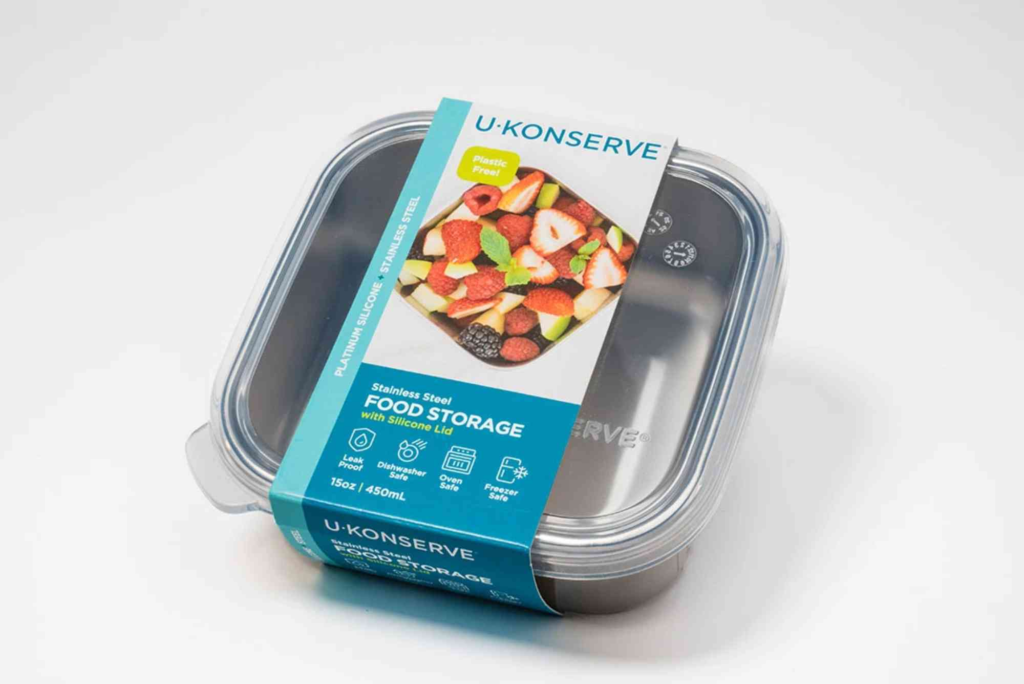
Food Sleeve Packaging Design: A Complete Guide for Modern Brands
In today’s competitive food market, food sleeve packaging design has become more than just an outer layer—it’s a powerful branding tool, a protector of product integrity, and a silent salesperson on the shelf. From artisanal bakeries to large-scale food manufacturers, businesses are using sleeves to elevate visual appeal without the cost of fully printed boxes.
This in-depth guide explores everything you need to know about food sleeve packaging design: its benefits, materials, design principles, trends, sustainability aspects, and common questions consumers ask. Whether you’re launching a new product or rebranding an existing one, this article will help you make informed, practical decisions.
What Is Food Sleeve Packaging Design?
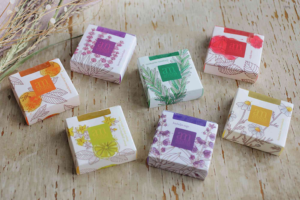
Food sleeve packaging design refers to a printed paperboard or cardboard sleeve that wraps around a primary food container such as a box, tray, cup, jar, or pouch. The sleeve usually carries branding, product information, and visual elements, while the inner packaging focuses on protection and hygiene.
Unlike full packaging replacements, sleeves offer flexibility, cost efficiency, and quick customisation—making them ideal for seasonal products, promotions, and limited editions.
Why Food Sleeve Packaging Design Matters
Enhances Brand Visibility
A well-executed food sleeve packaging design instantly communicates brand identity through colours, typography, and imagery. On crowded shelves, sleeves help products stand out without changing the core container.
Cost-Effective Customisation
Instead of redesigning the entire package, brands can update just the sleeve. This reduces printing costs and allows faster market testing.
Improves Customer Experience
Sleeves can include stories, usage instructions, QR codes, or sustainability messages, creating a richer unboxing and consumption experience.
Key Benefits of Food Sleeve Packaging Design
Flexibility Across Products
One container, multiple sleeve designs—perfect for flavor variations or regional campaigns.
Faster Production Time
Sleeves are quicker to print and easier to modify compared to full box packaging.
Lightweight and Space Efficient
They add minimal weight and are easy to store flat, reducing logistics and storage costs.
Common Uses of Food Sleeve Packaging
Bakery and Confectionery Items
Cakes, pastries, chocolates, and cookies often use sleeves to showcase premium branding while keeping costs controlled.
Ready-to-Eat Meals
Meal trays and takeaway boxes benefit from sleeves that display nutritional info and branding clearly.
Beverage Cups and Bottles
Paper cups, smoothie bottles, and jars often rely on sleeves for seasonal or promotional designs.
Materials Used in Food Sleeve Packaging Design
Paperboard
The most popular choice due to its print quality, recyclability, and food-safe options.
Kraft Paper
Offers a natural, eco-friendly look that works well for organic and artisanal food brands.
Coated Cardstock
Provides better resistance to moisture and grease, ideal for oily or chilled food items.
Sustainable Food Sleeve Packaging Design
Sustainability is no longer optional. Modern food sleeve packaging design increasingly focuses on:
- Recyclable and biodegradable materials
- Soy-based or water-based inks
- Minimalist designs to reduce ink usage
Brands that communicate sustainability clearly on their sleeves often gain higher customer trust and loyalty.
Design Elements That Make Food Sleeves Effective
Colour Psychology
Colours influence appetite and perception. Warm tones like red and orange stimulate hunger, while green signals health and sustainability.
Typography and Readability
Fonts must remain legible at a distance. packaging design inspiration Clear typography is crucial for ingredients, allergens, and expiry details.
Imagery and Graphics
High-quality images or illustrations help consumers visualize taste and freshness instantly.
Food Safety and Compliance Considerations
A professional food sleeve packaging design must comply with food labeling regulations, including:
- Ingredient lists
- Allergen warnings
- Nutritional information
- Expiry or best-before dates
Failure to include these can result in regulatory issues and loss of consumer trust.
Customisation Options for Food Sleeves
Finishing Techniques
- Matte or gloss lamination
- Spot UV for logos
- Embossing or debossing
These finishes elevate perceived value without redesigning the container.
Die-Cut Windows
Windows allow customers to see the actual product, increasing transparency and confidence.
How Food Sleeve Packaging Supports Marketing
Food sleeve packaging design plays a key role in marketing strategies:
- Limited-edition sleeves for holidays
- Event-specific branding
- QR codes linking to campaigns or recipes
This makes sleeves a dynamic marketing asset rather than static packaging.
Trends Shaping Food Sleeve Packaging Design
Minimalist Design
Clean layouts with fewer colours and bold typography are dominating shelves.
Storytelling Packaging
Brands are using sleeves to tell origin stories, farmer details, or brand missions.
Digital Integration
QR codes and AR features are becoming more common, connecting physical packaging to digital experiences.
Choosing the Right Partner for Food Sleeve Packaging
Working with an experienced packaging provider ensures quality, compliance, and consistency. Companies offering Custom Packaging solutions understand how to balance branding, cost, and food safety effectively.
Where to Find Design Inspiration
Before finalizing your food sleeve packaging design, reviewing global trends and real-world examples can be extremely helpful. Platforms that showcase innovative packaging from around the world provide valuable insights into layouts, colour usage, and materials.
Local Accessibility and Support
For brands that value local communication and quick coordination, knowing your packaging partner’s physical presence can be reassuring. You can easily check the Buddy Packaging Location here.
Food Sleeve Packaging Design for Small vs Large Brands
Small Businesses
- Lower minimum order quantities
- Seasonal or batch-based designs
- Strong storytelling focus
Large Brands
- Consistent brand guidelines
- High-volume printing
- Multi-region compliance
Both benefit from sleeves, but their design strategies differ based on scale and goals.
Measuring the Success of Food Sleeve Packaging Design
Success isn’t just visual—it’s measurable:
- Increased shelf pickup rates
- Improved brand recall
- Better customer feedback
- Higher repeat purchases
Tracking these metrics helps refine future designs
- Overcrowding the sleeve with text
- Ignoring food safety regulations
- Poor colour contrast affecting readability
- Using low-quality printing for premium products
Avoiding these ensures your food sleeve packaging design supports—not harms—your brand.
FAQs
What is a packaging sleeve for food?
A packaging sleeve is a printed outer wrap placed over a food container to display branding, product information, and design elements.
Is food sleeve packaging safe?
Yes, when made from food-grade, compliant materials and printed with safe inks, food sleeve packaging is completely safe.
Are food sleeves recyclable?
Most food sleeve packaging designs use recyclable paperboard or kraft materials, making them environmentally friendly.
Can food sleeves be customised?
Absolutely. Food sleeves can be customised in size, colour, finish, and print to match branding or campaigns.
What foods are best for sleeve packaging?
Bakery items, ready meals, beverages, confectionery, and takeaway foods commonly use sleeve packaging.
Elevate Your Brand with Smart Food Sleeve Packaging Design
A thoughtful food sleeve packaging design can transform ordinary food containers into powerful branding tools. It offers flexibility, cost efficiency, sustainability, and marketing potential—all without compromising food safety