Introduction
Food packaging design UK businesses rely on is far more than visual appeal. It shapes how customers judge quality, safety, and brand values within seconds. In a competitive retail environment, packaging often decides whether a product is picked up or ignored.
In the UK food market, strong packaging design must balance branding, compliance, sustainability, and consumer psychology. From artisan producers to large manufacturers, the right design can transform a product’s success. This guide explores how food packaging design in the UK works, why it matters, and how brands can use it strategically to grow.
Why Food Packaging Design Matters in the UK Market
The UK food industry is highly regulated and extremely competitive. Consumers expect transparency, quality, and responsibility from brands. Packaging is the first point of contact between a product and a buyer, both online and on shelves.
Food packaging design UK standards reflect consumer trust. Clear labelling, honest visuals, and thoughtful materials reassure shoppers instantly. When done well, packaging becomes a silent salesperson that communicates value without words.
Design also influences perception of taste and freshness. Studies show buyers often associate premium packaging with better flavour. This makes design a direct contributor to sales rather than a cosmetic detail.
Understanding UK Consumer Behaviour and Expectations
UK shoppers are informed and cautious. They read labels carefully and notice design details quickly. Packaging that looks misleading or cluttered can damage trust immediately.
Food packaging design UK brands use often focuses on clarity. Simple layouts, readable fonts, and honest imagery perform better than over-designed packs. British consumers value authenticity, especially in organic, local, and health-focused foods.
Cultural cues also matter. Colours, tone, and typography should align with UK preferences. Loud or aggressive designs may work elsewhere but often feel out of place in British supermarkets.
Regulatory Compliance in Food Packaging Design UK
Compliance is non-negotiable in the UK food sector. Packaging must meet strict rules set by the Food Standards Agency and other authorities. Design decisions must account for these requirements from the start.
Mandatory information includes ingredient lists, allergen warnings, nutritional values, and country of origin. These elements must be legible and correctly positioned. Ignoring them can lead to fines or product recalls.
Food packaging design UK professionals understand how to integrate compliance without harming aesthetics. Good design ensures required information feels organised rather than overwhelming.
Branding Through Food Packaging Design
Packaging is often the strongest branding tool for food products. Many buyers encounter a brand for the first time on a shelf. Design must communicate identity instantly.
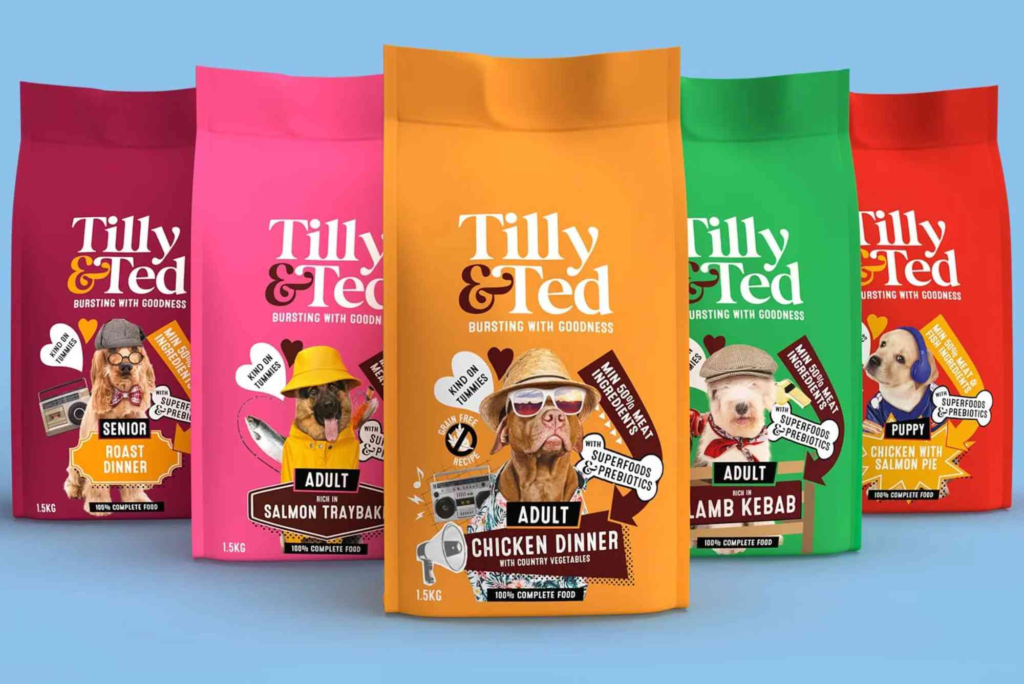
Food packaging design UK brands use strong visual systems. Consistent colours, logos, and tone help products stand out while staying recognisable. This consistency builds long-term brand recall.
Storytelling also plays a role. Packaging can reflect heritage, sourcing, or production methods subtly. British consumers appreciate brands that feel genuine rather than overly promotional.
Sustainability and Eco-Friendly Packaging Trends
Sustainability is no longer optional in the UK. Shoppers actively choose brands that reduce environmental impact. Packaging design must reflect these values clearly and honestly.
Food packaging design UK trends now favour recyclable, compostable, and minimal materials. Kraft boards, paper-based packs, and reduced plastics are increasingly popular. However, sustainability claims must be accurate to avoid greenwashing.
Designers also consider structural efficiency. Using less material while protecting food properly improves both cost and environmental performance.
The Role of Structure and Functionality
Good food packaging design UK projects always balance form and function. Packaging must protect food, extend shelf life, and remain easy to use.
Resealable features, portion control, and easy-open designs enhance user experience. These details improve customer satisfaction and encourage repeat purchases.
Structural design also affects logistics. Packaging that stacks well and resists damage reduces waste during transport and storage.
Custom Solutions for Growing Food Brands
Off-the-shelf packaging rarely supports strong branding. Custom solutions allow brands to stand out and scale effectively. Many UK food businesses invest in Custom Packaging to match their product and brand perfectly.
Custom designs give control over size, materials, finishes, and print quality. This flexibility helps brands communicate premium value or affordability clearly. It also ensures packaging aligns with sustainability goals.
For startups, custom packaging can feel expensive. However, it often pays for itself by increasing perceived value and shelf impact.
Typography and Visual Hierarchy in Food Packaging Design UK
Typography plays a critical role in food packaging. Fonts influence readability, trust, and brand personality. UK packaging often favours clean, balanced typography over decorative styles.
Visual hierarchy guides the eye naturally. Product name, flavour, and key benefits should appear first. Supporting information follows logically without clutter.
Food packaging design UK experts use spacing and contrast carefully. This approach ensures important details stand out while maintaining a calm, organised look.
Colour Psychology in the UK Food Sector
Colour choices directly affect buyer behaviour. In the UK market, certain colours carry strong associations. Green often signals health or sustainability. Black suggests premium quality. Pastels feel friendly and approachable.
Food packaging design UK projects consider how colours perform under supermarket lighting. What looks good on screen may appear dull on shelves if not tested properly.
Consistency across product ranges is also essential. Colour systems help customers recognise variations quickly without confusion.
Digital Influence on Packaging Design
Online shopping has changed packaging priorities. Products now appear as small images on screens before reaching physical shelves. Design must work at both large and small scales.
Food packaging design UK brands optimise layouts for thumbnails. Clear product names and bold visuals improve click-through rates online.
Social media also plays a role. Attractive packaging encourages user-generated content and brand sharing. This organic exposure adds significant marketing value.
Learning from Global Design Inspiration
While local preferences matter, global trends still influence UK packaging. Designers often look beyond borders for fresh ideas. Platforms offering packaging design inspiration showcase innovative concepts from around the world.
Adapting global ideas to UK sensibilities requires care. The goal is inspiration, not imitation. Successful brands translate trends into designs that feel relevant to British consumers.
Working with Professional Packaging Designers
Expertise matters in food packaging design UK projects. Professional designers understand regulations, materials, printing, and consumer psychology. This knowledge reduces costly mistakes.
A collaborative process works best. Brands should share goals, target audiences, and budget clearly. Designers can then create solutions that balance creativity and practicality.
Investing in professional design often leads to stronger brand positioning and long-term savings.
Cost Considerations and ROI
Packaging design is an investment, not an expense. While initial costs may seem high, strong design improves conversion rates and brand loyalty.
Food packaging design UK businesses evaluate return on investment through sales growth, reduced returns, and improved shelf presence. Even small design improvements can have measurable impact.
Smart material choices and efficient structures also help control production costs without compromising quality.
Common Mistakes to Avoid in Food Packaging Design UK
Overcrowded designs confuse buyers. Too much text or imagery reduces clarity and trust. Simplicity usually performs better.
Ignoring compliance during design is another costly error. Fixing regulatory issues late can delay launches significantly.
Finally, copying competitors too closely weakens brand identity. Differentiation is essential in crowded categories.
Future of Food Packaging Design in the UK
The future of food packaging design UK brands adopt will focus on transparency, sustainability, and digital integration. Smart packaging with QR codes and traceability features is already emerging.
Personalisation may also increase. Limited editions and seasonal designs help brands stay relevant and engaging.
As consumer expectations evolve, packaging will continue to play a central role in brand success.
Frequently Asked Questions
What is food packaging design UK focused on most today?
It focuses on compliance, sustainability, and clear branding that builds consumer trust.
How much does food packaging design cost in the UK?
Costs vary widely depending on complexity, materials, and customisation level.
Do UK food products need special labelling rules?
Yes, UK regulations require detailed ingredient, allergen, and nutrition information.
Is sustainable packaging more expensive in the UK?
Initially, it can be. However, long-term savings and brand loyalty often offset costs.
Can small food brands benefit from professional packaging design?
Absolutely. Strong design helps small brands compete with established names.
Invest in Food Packaging Design That Works
Food packaging design UK brands depend on is a strategic business tool. It influences trust, perception, and purchasing decisions at every stage. From compliance to creativity, every detail matters.
Brands that invest thoughtfully in packaging gain a clear competitive advantage. They connect with consumers emotionally while meeting practical demands.
If you want your food product to stand out, now is the time to rethink your packaging strategy. Work with experts, focus on clarity, and design with purpose. Your packaging should not just protect food. It should sell it.