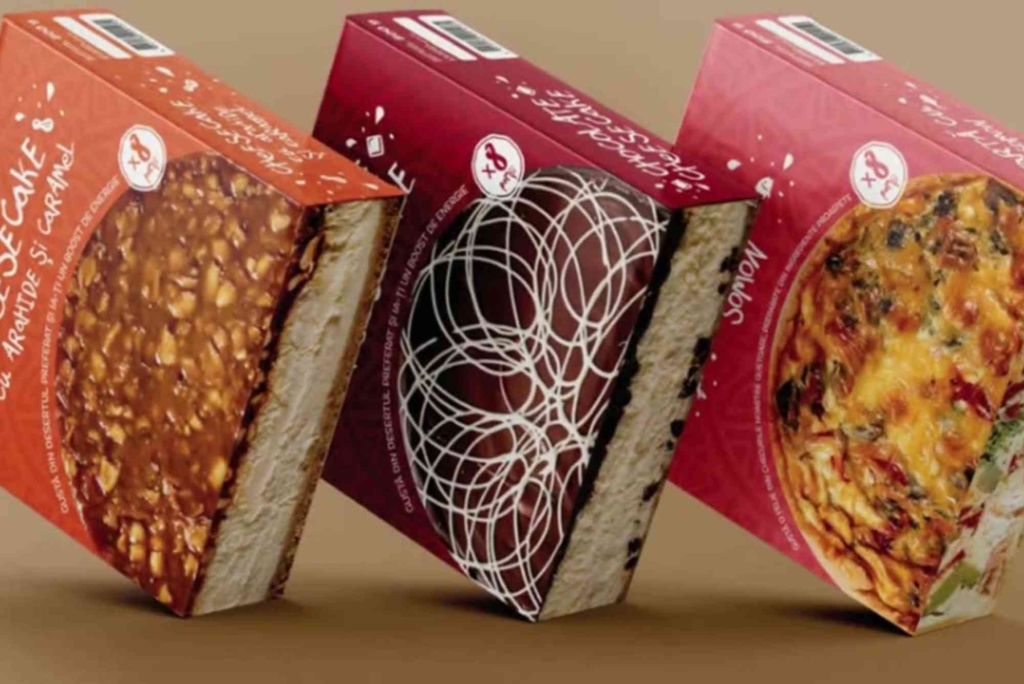
In today’s competitive market, Food Packaging Design Trends 2024 are more than visual appeal. They influence consumer choice, brand identity, and product sustainability. As environmental awareness grows and digital experiences evolve, packaging must adapt. Smart design now merges aesthetics, purpose, and practicality. In this article, we explore key trends reshaping how food brands connect with customers in 2024.
Understanding the latest developments helps brands keep pace. Whether you’re a business owner, designer, or marketer, these insights will inspire thoughtful packaging updates. We’ll discuss sustainability, technology, storytelling, and consumer psychology. Plus, we share practical ideas and strategies to apply the trends effectively.
Why Food Packaging Matters More in 2024
Packaging has long served to protect products. Now, it plays a vital role in communication, brand loyalty, and sustainability. Consumers increasingly expect packaging that reflects their values. They want eco‑friendly materials, clear messaging, and convenience. Brands that prioritise design will stand out on crowded shelves and digital platforms.
Innovative packaging also supports cost efficiency and waste reduction. With rising environmental concerns, consumers scrutinise packaging choices. They research what materials are used and how products are disposed of. This shift pushes designers and brands to rethink the entire lifecycle of packaging.
The Evolution of Consumer Expectations
Consumers no longer accept generic packaging. They seek a deeper connection with the brands they choose. Food packaging design now conveys trust, quality, and responsibility. Elements such as clear labelling, minimalistic graphics, and recyclable materials help build credibility.
Moreover, buyers are influenced by how packaging makes them feel. Emotional design elements — colours, narrative cues, and sensory details — now shape purchase decisions. As a result, brands must align packaging with consumer needs and cultural trends to remain relevant.
Sustainability in Packaging Design
Eco‑Conscious Materials
One of the most powerful Food Packaging Design Trends 2024 is the shift towards sustainable materials. Brands are abandoning traditional plastics in favour of biodegradable and compostable alternatives. Paper, plant‑based polymers and recycled materials now dominate.
This transition benefits the planet and resonates strongly with eco‑aware consumers. Packaging that clearly states its environmental credentials builds trust and boosts brand reputation. Sustainability is no longer an option — it’s expected.
Reduced and Minimalist Packaging
Less is more in 2024. Reducing packaging waste without compromising safety is key. Minimalist design reduces materials and cuts costs. Simpler packaging also creates a modern, clean and premium look that attracts consumers.
This trend encourages designers to focus on essential elements. Removing excess layers and prioritising functional design supports environmental goals. At the same time, minimal packaging often enhances the unboxing experience and product visibility.
Digital Integration and Smart Packaging
QR Codes and Interactive Elements
Technology now plays a significant role in packaging innovation. QR codes provide instant access to product information, origin stories, and digital experiences. These interactive elements drive engagement and support transparency.
Smart packaging integrates sensors and indicators that monitor freshness or temperature. This not only improves consumer confidence but also reduces food waste. As digital technology becomes more accessible, interactive packaging will be a core part of successful food branding.
Augmented Reality (AR) Experiences
AR experiences are emerging as exciting tools for storytelling. Shoppers can scan packaging with their mobile devices to unlock immersive content. This may include recipe ideas or brand history narrated through animation.
These digital layers deepen consumer interaction and lift brands above the competition. They transform ordinary packaging into engaging platforms that extend beyond the product itself. This also boosts shareability on social media, increasing organic reach.
Visual and Sensory Design Trends
Bold Colours and Playful Graphics
Visual trends in 2024 embrace bold colours and playful graphics. Brands are experimenting with vibrant palettes and unique patterns to grab attention. Standout visuals help products pop on shelf and attract impulse buyers.
Graphic elements that reflect cultural narratives or regional inspiration also appeal to niche markets. This creates authenticity and emotional connection. Packaging that tells a story visually can bridge the gap between product and consumer.
Transparent and Honest Labelling
Consumers want to understand what they’re buying. Transparent packaging and honest labelling build trust. Clear windows on packaging allow customers to see the product, reinforcing quality and freshness.
This trend pairs well with clean, modern typography and simplified information hierarchy. Labels that highlight key attributes — organic, sugar‑free, locally sourced — help consumers make quick decisions. Clear labelling now plays a strategic role in conversion.
Functional and User‑Centred Packaging
Convenience and Portability
Convenience is a top priority for modern consumers. Busy lifestyles require packaging that is easy to open, reseal, and transport. Innovative closures, ergonomic shapes, and portion‑friendly formats respond to this need.
Brands that prioritise functionality maintain customer satisfaction and brand loyalty. Packaging that feels intuitive and efficient enhances the overall product experience. In 2024, user‑centred design is essential for repeat purchases.
Multi‑Use and Refillable Options
Refillable packaging is gaining traction. This trend supports sustainability by reducing single‑use packaging. Consumers appreciate brands that offer long‑term value and environmental solutions.
Multi‑use packaging also adds practicality. Containers that can be repurposed after use — as storage jars or planters — extend the lifecycle of materials. This design choice reinforces brand values and reduces waste.
Storytelling Through Packaging
Cultural and Local Narratives
Storytelling remains a powerful tool in design. Packaging that reflects cultural heritage or local production connects with audiences on a deeper level. This approach elevates brand identity and highlights authenticity.
Brands that celebrate origin stories can differentiate themselves in crowded markets. Including narratives on the package brings the brand voice to life. Consumers feel grounded in the product’s journey from source to table.
Emotional Engagement
Packaging that evokes emotion makes a lasting impression. Whether nostalgic, playful, or aspirational, emotional design builds memory and loyalty. This trend harnesses colours psychology, typography, and messaging to stir feelings.
When consumers feel understood, they are more likely to choose and recommend a product. Emotional engagement now plays a central role in successful Food Packaging Design Trends 2024.
Balancing Trends with Brand Authenticity
Adopting trends should never sacrifice brand identity. True design success finds harmony between innovation and authenticity. Packaging must still reflect the brand’s core values and story.
Before implementing any trend, brands should ask: Does this align with our identity? Does it improve the customer experience? Trends are tools, not shortcuts. Effective packaging design enhances function, elevates aesthetics, and supports long‑term brand growth.
Incorporating Custom Packaging Solutions
Customized packaging adds uniqueness and precision to product presentation. Tailored design ensures packaging fits the brand’s personality and messaging. For businesses ready to innovate, exploring Custom Packaging options can inspire standout solutions.
Custom approaches can include bespoke shapes, special finishes, and materials that strengthen brand recognition. In a market driven by differentiation, tailored packaging gives products the ability to tell their own story.
Practical Packaging Design Tips
When planning new packaging, start with consumer research and brand values. Consider how packaging reflects your product’s promise and customer needs. Effective packaging design tips focus on clarity, consistency, and user experience.
Design cohesion strengthens recognition across platforms and touchpoints. Thoughtful choices in typography, imagery, and structure make packaging easier to understand and more memorable. Prioritising clarity over clutter enhances trust and usability.
Sustainability Beyond Materials
Sustainability isn’t just about materials. It also means optimising transport, reducing waste, and improving recyclability. Packaging should be designed with the end of life in mind.
Brands can take further steps by adopting circular economy principles. This includes designing for reuse, offering take‑back programmes, and educating customers on disposal. Genuine sustainability efforts reduce environmental impact and resonate deeply with conscious consumers.
Consumer Education on Packaging
Packaging can become a tool for education. Informational cues about recycling, composting, or repurposing encourage responsible behaviour. Brands that communicate clearly on packaging build trust and authority.
Consumers appreciate transparency and guidance. When packaging tells users how to care for materials after use, it adds value to the entire product experience. This practice aligns with growing environmental expectations worldwide.
The Future of Food Packaging Design
Data‑Driven Design Decisions
Data and analytics are shaping packaging innovation. Brands can now track consumer interactions, preferences, and purchase drivers. These insights inform design choices that resonate more deeply with target audiences.
Predictive trends and real‑time feedback loops will continue to shape design. Packaging decisions are becoming less subjective and more evidence‑based. This evolution ultimately leads to stronger customer connections and improved sales performance.
Global Trends and Local Adaptation
While global trends influence design, regional preferences still matter. Packaging that adapts to local cultures, languages, and habits performs better. A tailored approach ensures packaging feels relatable across diverse markets.
In 2024 and beyond, brands that balance international appeal with local relevance will find greater success. Understanding consumer behaviour at every level enhances both design and marketing effectiveness.
The Food Packaging Design Trends 2024 Buddy Packaging Location reflect a dynamic and consumer‑centric landscape. Sustainability, technology, storytelling, and functionality now guide successful packaging strategy. By aligning design with consumer values and behaviours, brands can build trust and stand out in competitive markets.
Updating your food packaging isn’t only about following trends. It’s about creating meaningful connections that last. Thoughtful packaging supports brand credibility, environmental responsibility, and long‑term success.
Are you ready to elevate your product presentation? Explore how strategic packaging design can transform your brand presence and engage your audience more deeply. Reach out to learn more and stay ahead with innovative design solutions.
FAQs on Food Packaging Design Trends 2024
What are the main packaging trends for food in 2024?
The main trends include sustainability, smart packaging with digital integration, minimalist design, transparent labelling, and convenience features. These reflect consumer expectations for transparency, environmental responsibility, and functionality.
How does sustainable packaging impact consumer choice?
Sustainable packaging builds trust and aligns with eco‑aware values. Consumers often choose products with recyclable, biodegradable materials. Honest environmental messaging strengthens brand loyalty.
Why is digital integration important for food packaging?
Digital features like QR codes and AR enhance engagement and transparency. They provide product information, storytelling, and interactive experiences that deepen consumer connection without cluttering physical design.
How can packaging reflect a brand’s story?
Storytelling through imagery, cultural cues, and narrative text helps packaging express brand identity. Personalised or locally inspired designs resonate emotionally and differentiate products on shelf.
What role does convenience play in packaging design?
Convenience features such as easy‑open seals, resealable closures, and portable formats support busy lifestyles. Functional design improves user experience and encourages repeat purchases.