Food Packaging Design Trends: What’s Shaping the Future of Food Brands
Food packaging is no longer just about wrapping a product safely. In today’s competitive market, packaging is a powerful marketing tool that influences buying decisions, builds brand trust, and communicates values instantly. Understanding food packaging design trends is essential for food brands that want to stay relevant, compliant, and visually appealing in 2026 and beyond.
From eco-friendly materials to bold typography and smart packaging technology, this guide explores the most important food packaging design trends, why they matter, and how businesses can apply them strategically.
Why Food Packaging Design Matters More Than Ever
Walk into any supermarket and you’ll see hundreds of products competing for attention. Shoppers make decisions in seconds, often based purely on packaging. This is where food packaging design trends come into play.
Modern consumers want more than good taste. They care about sustainability, transparency, convenience, and aesthetics. Packaging must communicate all of this instantly while also protecting the product and complying with regulations.
As someone who has worked closely with packaging suppliers and food brands, I’ve seen firsthand how the right packaging design can increase shelf impact, boost perceived value, and even justify premium pricing.
Let’s explore the trends that are redefining food packaging design today.
Sustainable and Eco-Friendly Packaging
Recyclable, Compostable, and Biodegradable Materials
Sustainability remains the most dominant force shaping food packaging design trends. Brands are actively moving away from single-use plastics toward recyclable cardboard, kraft paper, glass, aluminum, and compostable bioplastics.
Consumers are now checking labels for recycling symbols just as often as nutritional information. Packaging that clearly communicates its eco-friendly nature builds trust and brand loyalty.
Minimal Packaging to Reduce Waste
Another sustainability-driven trend is packaging reduction. Slimmer designs, fewer layers, and right-sized boxes help reduce waste and shipping costs while appealing to environmentally conscious buyers.
Many brands are now opting for Custom Packaging solutions that use only what’s necessary while still protecting the product. Thoughtful structural design is just as important as visual appeal.
Learn more about sustainable and branded Custom Packaging options tailored for food businesses.
Minimalist and Clean Design Aesthetics
Less Clutter, More Clarity
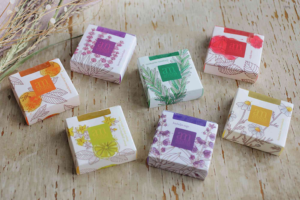
Minimalism continues to dominate food packaging design trends. Clean layouts, ample white space, and simple colour palettes help products stand out in crowded aisles.
Minimalist packaging also enhances readability, making it easier for customers to understand what they’re buying at a glance.
Focus on Core Brand Messaging
Instead of overwhelming consumers with too much information, brands are highlighting only what matters: ingredients, origin, and key benefits. This approach aligns with modern consumer preferences for transparency and honesty.
Bold Typography and Unique Fonts
Typography as a Visual Hero
One of the most noticeable food packaging design trends is the use of bold, expressive typography. Fonts are no longer just functional; they’re becoming the main design element.
Large, confident typefaces help products stand out from a distance and reinforce brand personality.
Handwritten and Custom Fonts
Hand-drawn or custom typography adds authenticity and a human touch, especially for artisanal, organic, and small-batch food brands. These fonts suggest craftsmanship and care, which resonates strongly with today’s consumers.
Transparent Packaging and Honesty in Design
Clear Windows to Build Trust
Transparency is both literal and symbolic in modern food packaging design trends. Clear windows or transparent materials allow consumers to see the product inside, reinforcing trust and quality.
This trend is particularly popular for snacks, baked goods, and fresh food items.
Honest Labeling and Ingredient Visibility
Consumers want to know exactly what they’re eating. Packaging designs now emphasize ingredient lists, nutritional facts, and sourcing details in a clear and accessible way.
Smart Packaging and Technology Integration
QR Codes and Interactive Packaging
Smart packaging is gaining momentum. QR codes on food packaging allow customers to access recipes, sourcing information, sustainability efforts, or promotional content instantly.
This trend enhances engagement without cluttering the physical design.
Freshness Indicators and Smart Labels
Advanced packaging technologies, such as freshness indicators and temperature-sensitive labels, are becoming more common. These innovations improve food safety while adding a premium feel to the product.
Retro and Nostalgic Design Styles
Vintage Colours and Classic Layouts
Interestingly, one of the more emotional food packaging design trends is nostalgia. Brands are revisiting vintage aesthetics, retro colour palettes, and old-school typography to evoke familiarity and comfort.
This approach works particularly well for traditional snacks, beverages, and heritage food brands.
Blending Old with New
Successful nostalgic packaging doesn’t feel outdated. Instead, it blends retro elements with modern layouts and printing techniques, creating a timeless yet contemporary look.
Premium Finishes and Tactile Experiences
Matte, Soft-Touch, and Embossed Finishes
Packaging is no longer just visual—it’s tactile. Premium finishes like matte coatings, embossing, foil stamping, and soft-touch lamination elevate the unboxing experience.
These details play a key role in positioning products as high-end or gift-worthy.
Print Quality and Finishing Techniques
Advancements in printing have made luxury finishes more accessible, even for small brands. Staying updated with print & finishing insights helps businesses make informed design decisions.
Explore the latest print & finishing insights shaping modern packaging.
Bold Colours and High-Contrast Palettes
Standing Out on Crowded Shelves
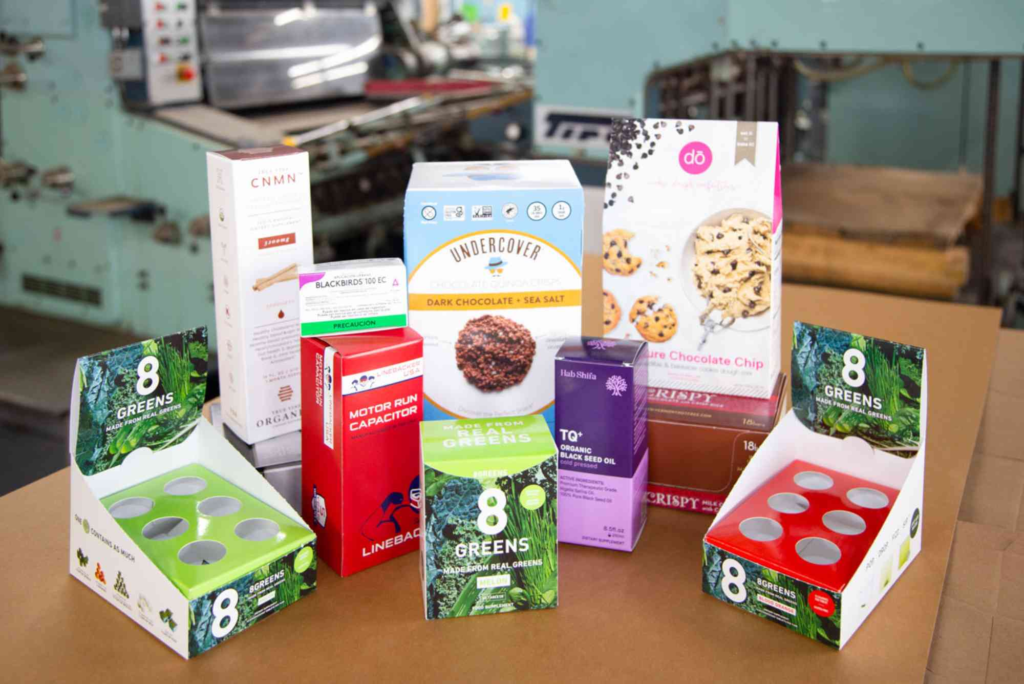
Bright, high-contrast colours are a growing part of food packaging design trends, especially in competitive categories like snacks and beverages.
These designs grab attention quickly and are particularly effective in retail environments with visual overload.
Strategic Colour Psychology
Colours are chosen strategically to evoke appetite, freshness, indulgence, or health. For example, green often signals organic or healthy products, while bold reds and yellows stimulate appetite.
Cultural and Localized Packaging Design
Celebrating Local Identity
Brands are increasingly incorporating cultural patterns, local languages, and regional imagery into their packaging designs. This trend creates emotional connections and appeals to community pride.
Location-Based Branding
Highlighting where a product is made adds authenticity. Many brands now emphasize their physical presence or roots to build trust.
You can even explore the Buddy Packaging Location to see how local identity plays a role in packaging solutions.
Flexible and Convenient Packaging Formats
On-the-Go and Resealable Designs
Modern lifestyles demand convenience. Flexible packaging with resealable features, stand-up pouches, and lightweight materials is now a key part of food packaging design trends.
E-commerce-Friendly Packaging
With the rise of online food sales, packaging must be durable, compact, and visually appealing even when unboxed at home.
FAQs
What are the current food packaging design trends?
Current food packaging design trends include sustainable materials, minimalist layouts, bold typography, smart packaging, premium finishes, and transparent designs that emphasize trust and quality.
Why is sustainable packaging important in food design?
Sustainable packaging reduces environmental impact, meets consumer expectations, and enhances brand reputation. It is now a core element of modern food packaging design trends.
How does packaging design influence food sales?
Packaging design affects first impressions, shelf visibility, brand trust, and perceived value. Well-designed packaging can significantly increase purchase decisions.
What materials are best for eco-friendly food packaging?
Recyclable cardboard, kraft paper, glass, aluminum, and compostable bioplastics are among the most popular eco-friendly materials used today.
Are minimalist food packaging designs effective?
Yes, minimalist designs improve clarity, readability, and shelf impact, making them highly effective in crowded retail environments.
Staying Ahead with Smart Food Packaging Design
The evolution of food packaging design trends reflects changing consumer values, technological innovation, and competitive market dynamics. From sustainability and smart packaging to premium finishes and bold visuals, today’s food packaging must do more than protect—it must communicate, engage, and inspire trust.
Brands that stay ahead of these trends not only stand out on shelves but also build stronger connections with their customers. Whether you’re launching a new product or refreshing an existing line, investing in thoughtful, trend-driven packaging design is no longer optional—it’s essential.