Food Packaging Design Inspiration
In today’s competitive market, standing out on the shelf is crucial. Food packaging is more than just a protective layer; it communicates your brand story, attracts customers, and influences purchasing decisions. Whether you are a small artisan brand or a large food manufacturer, exploring creative food packaging design inspiration can give your products an edge.
The Importance of Innovative Food Packaging
Building Brand Identity
Food packaging is often the first interaction a customer has with your product. Unique designs, colours, and typography help establish a brand identity that is memorable. Using consistent visual elements across all products reinforces brand recognition and trust.
Influencing Consumer Behaviour
Packaging can directly influence consumer choices. Bright colours, appealing illustrations, and functional designs can make a product irresistible. Creative packaging that tells a story or highlights the product’s unique selling points encourages buyers to choose your brand over competitors.
Sustainability and Eco-Friendly Choices
Modern consumers are increasingly eco-conscious. Sustainable packaging materials such as biodegradable plastics, recycled paper, and plant-based films demonstrate environmental responsibility. Innovative food packaging design inspiration often combines aesthetics with sustainability, balancing style and ecological considerations.
Key Elements of Effective Food Packaging
Visual Appeal
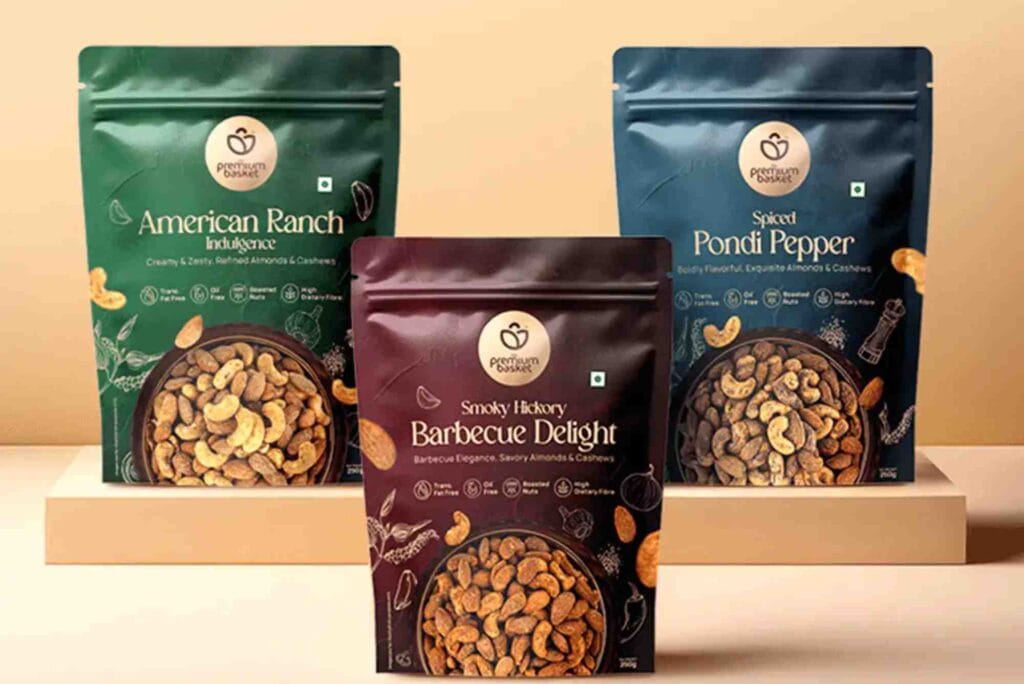
Colour, typography, and imagery are central to catching the consumer’s eye. Bold colours can evoke emotions, while minimalistic designs convey sophistication. Patterns, illustrations, and textures add depth, making your packaging stand out on crowded shelves.
Functional Design
Packaging must not only look good but also be practical. Easy-to-open containers, resealable bags, and portioned packaging improve the consumer experience. A well-thought-out structure ensures the product stays fresh and maintains its quality during transport and storage.
Material Selection
Choosing the right material is critical. Glass jars, tin cans, and paperboard offer different benefits, and each material communicates a message about the brand. For example, premium chocolates often use rigid boxes, while organic products may use kraft paper or compostable packaging.
Typography and Branding
Font selection is not just an aesthetic choice; it communicates your brand’s personality. Elegant serif fonts can signal premium quality, while bold sans-serif fonts convey modernity and simplicity. Including the brand logo and a clear message strengthens recognition.
Sources of Food Packaging Design Inspiration
Competitor Analysis
Observing what other brands are doing is an excellent starting point. Identify trends in colour palettes, materials, and design structures. Analysing competitors helps you understand market expectations while finding opportunities to differentiate.
Art and Cultural References
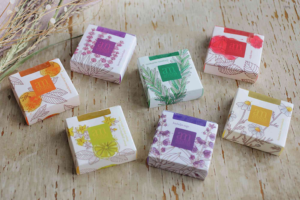
Drawing inspiration from art, history, and culture can create packaging that resonates emotionally. Hand-drawn illustrations, ethnic patterns, or vintage aesthetics can add a unique storytelling element, making your product memorable.
Nature and Sustainability
Many brands now turn to nature for inspiration, incorporating natural textures, earthy colours, and eco-friendly materials. This approach not only enhances visual appeal but also aligns with environmentally conscious consumer trends.
Technology and Innovation
Digital printing, augmented reality, and interactive packaging are transforming how brands engage consumers. QR codes, holographic finishes, and smart packaging allow brands to offer additional value, such as recipe ideas, loyalty programs, or immersive brand experiences.
Creative Approaches to Food Packaging
Minimalist Design
Less is more. Minimalist packaging relies on simplicity, clean lines, and subtle typography. This approach conveys sophistication, making the product appear high-end without overloading the design with information.
Playful and Fun Designs
Bright colours, bold graphics, and humorous illustrations appeal to younger audiences. Fun packaging can make a product shareable on social media, boosting brand visibility and engagement.
Handcrafted and Artisan Feel
Handmade textures, hand-lettered fonts, and rustic materials convey authenticity. Consumers often associate these designs with quality, care, and premium craftsmanship.
Transparent Packaging
Seeing the product builds trust. Clear containers, windows, or partial transparency highlight freshness and quality, encouraging consumers to purchase without hesitation.
Practical Tips for Food Packaging Design
Focus on the Target Audience
Know who your buyers are and tailor the design accordingly. Children, health-conscious adults, or gourmet enthusiasts all respond to different design cues. Understanding your audience ensures packaging resonates and drives sales.
Balance Aesthetics and Functionality
Beautiful packaging is ineffective if it cannot protect the product. Test prototypes for durability, ease of use, and practicality to ensure design choices complement functionality.
Stay Updated with Trends
Packaging trends evolve quickly. Keeping an eye on current innovations helps brands stay relevant. Trend insights can inspire new ideas while maintaining brand uniqueness.
Collaborate with Experts
Professional designers and packaging specialists offer valuable insights. They can transform a concept into practical designs that meet production standards and market expectations. Working with experts ensures both creativity and efficiency.
Using Custom Packaging to Elevate Your Brand
Custom packaging allows brands to express their identity and stand out from competitors. Tailored designs, unique materials, and creative finishes offer a premium feel that mass-produced packaging cannot replicate. Investing in custom packaging can significantly enhance brand perception and customer loyalty.
The Role of Packaging Design Inspiration in Marketing
Creative food packaging often doubles as a marketing tool. Eye-catching packaging grabs attention, increases social media shares, and generates word-of-mouth promotion. Consumers remember visually distinctive packaging, making it a critical element in brand marketing strategy.
Food packaging design inspiration plays a crucial role in branding, marketing, and consumer engagement. From visual appeal to functionality, sustainable choices, and innovative technology, effective packaging elevates your product and strengthens your brand. Investing time in design research, exploring new materials, and collaborating with experts ensures your packaging stands out on crowded shelves.
Take the next step by exploring options for custom packaging, and see how creative design can transform your products. Visit your local Buddy Packaging Location to discover tailored solutions that match your brand vision.
FAQ
What is the best source for food packaging design inspiration?
Observing competitors, exploring cultural and artistic references, and keeping up with current packaging trends provide reliable inspiration.
How can sustainable materials enhance packaging design?
Eco-friendly materials like recycled paper, biodegradable plastics, and plant-based films appeal to environmentally conscious consumers while maintaining aesthetic appeal.
How important is typography in food packaging?
Typography communicates brand personality and quality. Selecting fonts carefully helps convey whether a product is premium, fun, or minimalist.
Can interactive packaging improve customer engagement?
Yes, features like QR codes, augmented reality, and smart labels create immersive experiences, enhancing consumer interaction and loyalty.
What role does custom packaging play in branding?
Custom packaging allows brands to stand out, tell a story, and build a memorable identity, boosting both perception and customer loyalty.