Flour packaging design plays a critical role in how consumers perceive quality, freshness, and trust. In today’s competitive retail environment, packaging is no longer just a container. It is a brand ambassador, a marketing tool, and a promise of product integrity. From artisan bakeries to large-scale flour producers, smart design decisions directly affect buying behaviour and brand loyalty. Even niche brands drawing inspiration from wellness spaces, such as orange theory mountain view, now focus on clean and purposeful visual identities that influence packaging trends.
This article explores flour packaging design in depth, covering materials, branding psychology, sustainability, printing, compliance, and future trends. It is written from a practical packaging perspective, based on real industry standards and buyer expectations in the UK market.
Understanding the Purpose of Flour Packaging Design
Flour packaging design must balance function with aesthetics. At its core, packaging protects flour from moisture, pests, and contamination. However, modern consumers expect far more than protection alone. They look for clarity, authenticity, and visual reassurance.
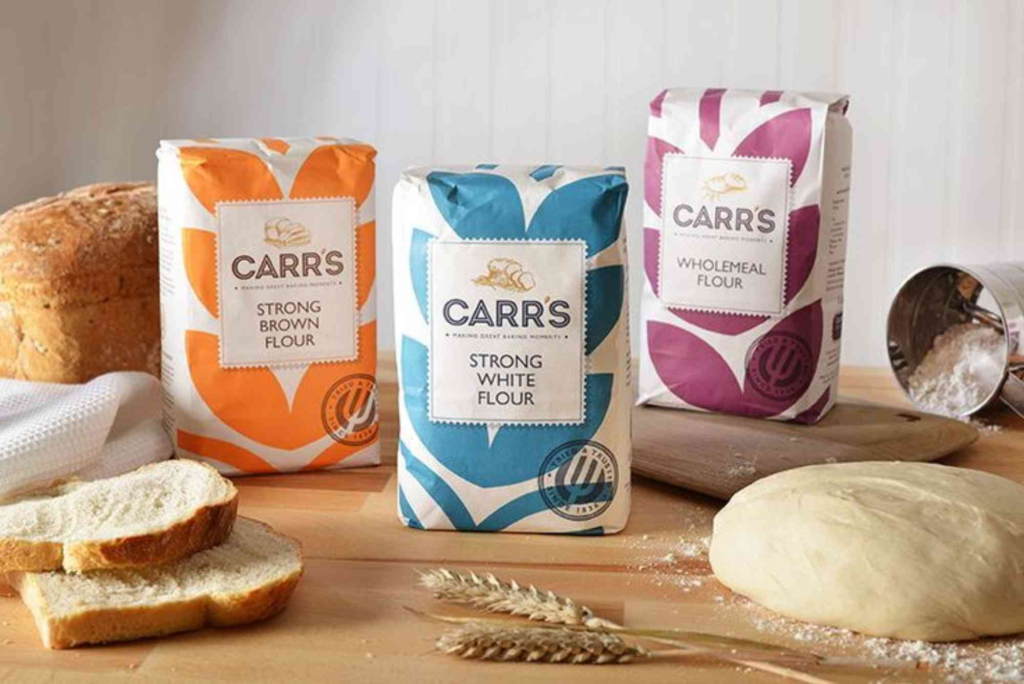
A well-designed flour package communicates grain type, milling method, nutritional value, and intended use. Strong typography and colours harmony help customers quickly identify the right product on crowded shelves. When design aligns with brand values, it builds recognition and trust over time.
The Role of Branding in Flour Packaging Design
Branding is central to effective flour packaging design. Flour may seem like a basic commodity, but branding differentiates premium stone-ground flour from mass-market options. Visual elements such as logos, fonts, and imagery create emotional connections.
In the UK, heritage-inspired designs often perform well. Brands that highlight local milling traditions or British wheat origins gain credibility. Minimalist designs also appeal to health-conscious buyers who associate simplicity with purity. Every design choice should reflect the brand story without overwhelming the consumer.
Choosing the Right Materials for Flour Packaging
Material selection defines both usability and perception. Flour packaging design typically uses paper bags, kraft pouches, woven sacks, or laminated flexible packaging. Each material serves a different market segment.
Paper-based packaging offers a natural and eco-friendly appearance. It works well for artisan and organic flour brands. Laminated pouches provide superior moisture barriers and longer shelf life, making them suitable for retail distribution. Industrial buyers often prefer woven polypropylene sacks for bulk handling and durability.
Material choice should align with brand positioning, storage requirements, and distribution conditions.
Sustainability in Modern Flour Packaging Design
Sustainability is no longer optional. UK consumers increasingly favour brands that demonstrate environmental responsibility. Flour packaging design must consider recyclability, reduced plastic usage, and responsible sourcing.
Compostable films, recyclable paper laminates, and water-based inks are becoming standard. Clear sustainability messaging on packaging reassures buyers and supports purchasing decisions. Brands that invest in sustainable packaging often benefit from stronger brand loyalty and positive public perception.
Typography and Colours Psychology in Flour Packaging
Typography affects readability and brand tone. Serif fonts often suggest tradition and craftsmanship, while sans-serif fonts feel modern and clean. Flour packaging design should ensure that product names and key information remain legible from a distance.
Colours psychology also influences perception. Earthy tones such as beige, brown, and green suggest natural origins. White space conveys cleanliness and quality. Accent colours can differentiate variants like wholemeal, self-raising, or gluten-free flour without confusing the buyer.
Structural Design and Practical Usability
Structure matters as much as visuals. Flour packaging design must consider how the bag opens, pours, reseals, and stores. Poor usability can frustrate customers and reduce repeat purchases.
Resealable closures are increasingly popular for home bakers. Flat-bottom pouches stand well on shelves and improve visibility. Ergonomic shapes reduce spillage and improve handling. Practical design decisions demonstrate care for the end user and elevate brand value.
Compliance and Labelling Requirements in the UK
Flour packaging design must comply with UK food labelling regulations. This includes ingredient lists, allergen information, nutritional values, weight, and country of origin. Failure to meet legal requirements can damage credibility and lead to penalties.
Designers must integrate mandatory information without cluttering the layout. Clear hierarchy and spacing help maintain readability. Compliance should feel seamless, not intrusive, within the overall design.
The Impact of Printing Quality on Perceived Value
Printing quality directly affects how flour packaging design is perceived. Poor print alignment, dull colours, or low-resolution images can make even high-quality flour appear inferior.
High-definition printing, consistent colours management, and durable finishes enhance shelf appeal. Matte finishes often feel premium, while gloss highlights colours. Spot UV or embossing can add subtle sophistication when used sparingly.
Customisation as a Competitive Advantage
Customisation allows brands to tailor flour packaging design to specific markets. Seasonal packaging, limited editions, or regional branding can boost engagement. Small bakeries benefit from short-run custom packaging that reflects their identity.
Working with experienced suppliers offering Custom Packaging solutions ensures flexibility without compromising quality. Customisation helps brands stand out while maintaining consistency across product lines.
Digital Influence on Flour Packaging Trends
Online retail has reshaped flour packaging design. Packaging must photograph well and remain recognisable on digital shelves. Clean layouts, bold branding, and clear product names perform better in e-commerce environments.
Social media exposure also influences design trends. Brands often seek packaging design inspiration from global platforms that showcase innovative concepts. Visual storytelling has become just as important as physical shelf presence.
Cost Efficiency Without Sacrificing Quality
Balancing cost and quality is a constant challenge. Flour packaging design should optimise material usage and printing processes. Smart dielines and standardised sizes reduce waste and production costs.
Long-term savings often come from investing in durable packaging that reduces damage and returns. Cheap packaging may cost less initially but can harm brand perception and customer trust.
How Location and Logistics Shape Packaging Decisions
Geographical factors influence flour packaging design. Local climate affects moisture protection needs. Distribution distance impacts material durability. Brands operating across regions must adapt packaging accordingly.
Understanding supplier accessibility also matters. Knowing your Buddy Packaging Location can streamline logistics and improve turnaround times. Proximity often results in better communication and consistent quality control.
Future Trends in Flour Packaging Design
The future of flour packaging design is driven by transparency and innovation. Smart packaging with QR codes allows consumers to trace sourcing and milling processes. Minimalist designs continue to dominate, supported by sustainability messaging.
Brands are also experimenting with tactile finishes and storytelling elements. The goal is to create packaging that feels honest, functional, and emotionally engaging.
Why Professional Expertise Matters
Effective flour packaging design requires collaboration between designers, marketers, and packaging engineers. Experience ensures that design choices align with production realities and consumer expectations.
Brands that invest in professional design benefit from fewer errors, stronger branding, and better market performance. Expertise transforms packaging from a cost centre into a growth tool.
Frequently Asked Questions About Flour Packaging Design
What is the best material for flour packaging design?
The best material depends on brand positioning and storage needs. Paper suits artisan brands, while laminated pouches offer better moisture protection.
How does flour packaging design affect sales?
Attractive and clear packaging increases shelf visibility, builds trust, and influences purchasing decisions, leading to higher sales.
Is sustainable flour packaging more expensive?
Initial costs may be slightly higher, but long-term brand value and customer loyalty often outweigh the expense.
What information must be included on flour packaging in the UK?
Mandatory details include ingredients, allergens, nutritional information, weight, and origin, all presented clearly and legibly.
Can small brands afford custom flour packaging design?
Yes, many suppliers offer flexible solutions for short runs, allowing small brands to achieve professional results.
Elevating Brands Through Flour Packaging Design
Flour packaging design is a strategic investment, not an afterthought. It protects the product, communicates brand values, and influences buying decisions. From material selection to typography and sustainability, every element matters.
Brands that prioritise thoughtful design gain a competitive edge in crowded markets. Whether launching a new product or refreshing an existing line, now is the time to rethink your packaging approach. Explore expert-led solutions, embrace innovation, and let your packaging speak for your brand. Take the next step by partnering with professionals who understand how design drives results.