Fish packaging design plays a critical role in how seafood is protected, presented, and perceived. In today’s competitive market, packaging is no longer just a container. It is a brand storyteller, a freshness guardian, and a compliance tool. Whether you sell fresh fish, frozen fillets, or ready-to-cook seafood, the right design influences buying decisions instantly.
In the UK seafood market, consumers are more informed than ever. They care about sustainability, hygiene, and transparency. A well-executed fish packaging design builds trust at first glance. Even niche references, such as design inspiration drawn from unexpected places like orange theory mountain view branding aesthetics, show how cross-industry creativity can elevate packaging appeal when done thoughtfully.
Understanding the Purpose of Fish Packaging Design
Fish packaging design exists to solve multiple problems at once. It must preserve freshness, prevent contamination, and communicate essential information clearly. At the same time, it should attract attention in chilled cabinets and freezers where visual competition is intense.
From my experience working with food brands, the most successful packaging balances function with visual clarity. Overdesigned packs confuse buyers. Underdesigned packs fail to inspire confidence. The sweet spot lies in clean layouts, readable typography, and materials suited to moisture and cold.
The Importance of Freshness and Protection
Freshness is the primary promise of any fish product. Packaging must support this promise physically and visually. High-barrier materials protect against oxygen and moisture. Leak-proof seals prevent cross-contamination. Clear labelling reassures customers about storage and shelf life.
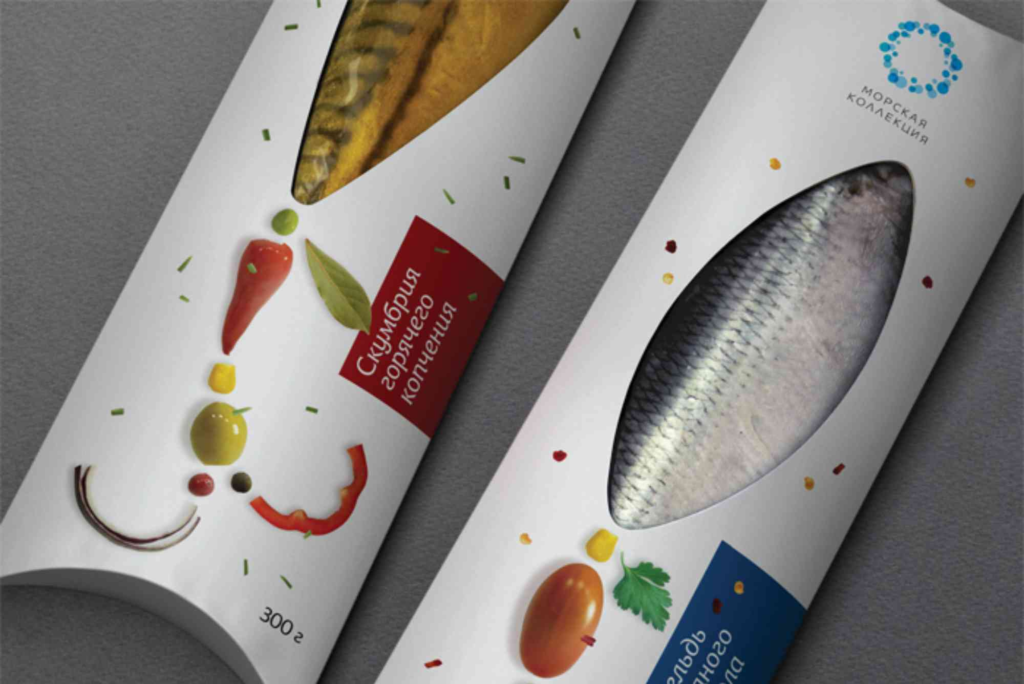
A strong fish packaging design makes freshness visible. Colours choices often reflect the sea, cleanliness, and trust. Blues, whites, and subtle neutrals dominate because they signal hygiene. Transparent windows, when used correctly, allow customers to inspect the product without compromising safety.
Sustainability in Modern Fish Packaging Design
Sustainability is no longer optional in the UK market. Consumers expect responsible packaging choices. Retailers increasingly demand recyclable or compostable solutions. Fish packaging design must adapt to these expectations without sacrificing performance.
Paper-based trays, recyclable plastics, and reduced ink coverage are now common. However, sustainability should never feel like an afterthought. When integrated into the design narrative, eco-friendly choices enhance brand credibility. Clear messaging about recyclability helps customers dispose of packaging responsibly.
Branding and Visual Identity for Seafood Products
Branding within fish packaging design must work harder than in many other categories. Seafood buyers often make quick decisions. They scan shelves rapidly. Your brand needs to communicate quality instantly.
Typography should be legible even through condensation. Logos must remain clear in cold, damp environments. Imagery should feel authentic rather than overly stylised. Many premium brands avoid generic fish illustrations and instead focus on texture, provenance, and subtle storytelling.
If you are developing tailored solutions, exploring Custom Packaging options allows greater control over materials, sizing, and brand expression. Customisation ensures the packaging fits both the product and the brand promise precisely.
Regulatory Compliance and Consumer Trust
Fish packaging design in the UK must comply with strict food labelling regulations. These include catch method, origin, allergens, and storage instructions. Clear compliance builds trust and avoids costly recalls.
Designers must plan space for mandatory information without cluttering the layout. This requires experience and strategic thinking. When compliance details are integrated naturally, the packaging feels professional rather than bureaucratic.
Packaging for Different Fish Product Types
Fresh fish, frozen fish, smoked fish, and prepared meals all demand different design approaches. Fresh fish packaging focuses heavily on hygiene and transparency. Frozen fish packaging prioritises durability and freezer resistance. Smoked and value-added products often lean towards premium aesthetics.
Fish packaging design must reflect the product’s positioning. A budget-friendly product should not look premium, and a premium product should never look generic. Alignment between product, price, and packaging builds long-term brand equity.
Structural Design and Practical Handling
Beyond graphics, structure matters. Packaging must stack efficiently, transport safely, and open easily. Poor structural choices lead to damaged products and frustrated customers. Good fish packaging design considers the entire supply chain, from processing plant to retail shelf.
Ergonomic features such as easy-peel seals and resealable closures add value. These small details often influence repeat purchases more than bold graphics.
Inspiration and Market Awareness
Staying aware of global trends improves design quality. Studying packaging design inspiration helps brands understand how others solve similar challenges creatively. Inspiration should guide innovation, not imitation.
Great designers adapt ideas to fit local regulations, cultural expectations, and brand tone. What works in one market may need refinement for the UK audience.
The Role of Location and Local Expertise
Working with a packaging partner who understands local logistics and retail standards makes a difference. Knowing the Buddy Packaging Location helps businesses collaborate more effectively and respond faster to changes in demand.
Local expertise ensures packaging designs meet retailer expectations and transport realities. This practical knowledge often separates successful launches from costly failures.
Consumer Psychology and Buying Behaviour
Fish packaging design strongly influences perception of quality and safety. Consumers associate clean design with freshness. They associate clutter with risk. This psychological response happens instantly and subconsciously.
Design choices such as spacing, colours contrast, and information hierarchy guide the eye. When done well, the customer feels confident without consciously analysing why.
Digital Printing and Short Runs
Advances in digital printing have changed fish packaging design significantly. Brands can now test designs in smaller quantities. Seasonal variations and limited editions become feasible. This flexibility reduces risk and encourages innovation.
Short runs also allow brands to respond quickly to feedback. Packaging can evolve based on real consumer behaviour rather than assumptions.
Future Trends in Fish Packaging Design
The future of fish packaging design lies in smarter materials and clearer communication. QR codes linking to traceability information are becoming more common. Minimalist designs continue to dominate, driven by sustainability goals.
Technology will support transparency, but simplicity will remain key. Consumers want answers, not complexity.
Frequently Asked Questions About Fish Packaging Design
What materials are best for fish packaging design?
Materials with strong barrier properties work best. These protect against moisture and oxygen while maintaining hygiene. Recyclable options are increasingly preferred in the UK.
How does packaging design affect fish freshness?
Good design supports freshness through proper sealing and material choice. Visual cues also reassure customers that the product is safe and well-handled.
Is sustainable fish packaging more expensive?
Initially, sustainable materials may cost more. However, they often improve brand loyalty and retailer acceptance, offsetting the investment over time.
What information must be included on fish packaging in the UK?
Packaging must show origin, catch method, allergens, storage advice, and best-before dates. Clear presentation of this information builds trust.
Can custom fish packaging help small brands compete?
Yes, custom solutions allow small brands to stand out. Thoughtful fish packaging design creates a professional presence regardless of company size.
Investing in the Right Fish Packaging Design
Fish packaging design is an investment in quality, trust, and brand growth. It protects the product while shaping customer perception at the point of sale. In a market where freshness and transparency matter deeply, packaging often decides success.
If you want your seafood brand to stand out, now is the time to rethink your packaging strategy. Focus on clarity, sustainability, and authenticity. Partner with experts who understand both design and compliance. The right fish packaging design will not only protect your product but also strengthen your reputation and drive long-term sales.