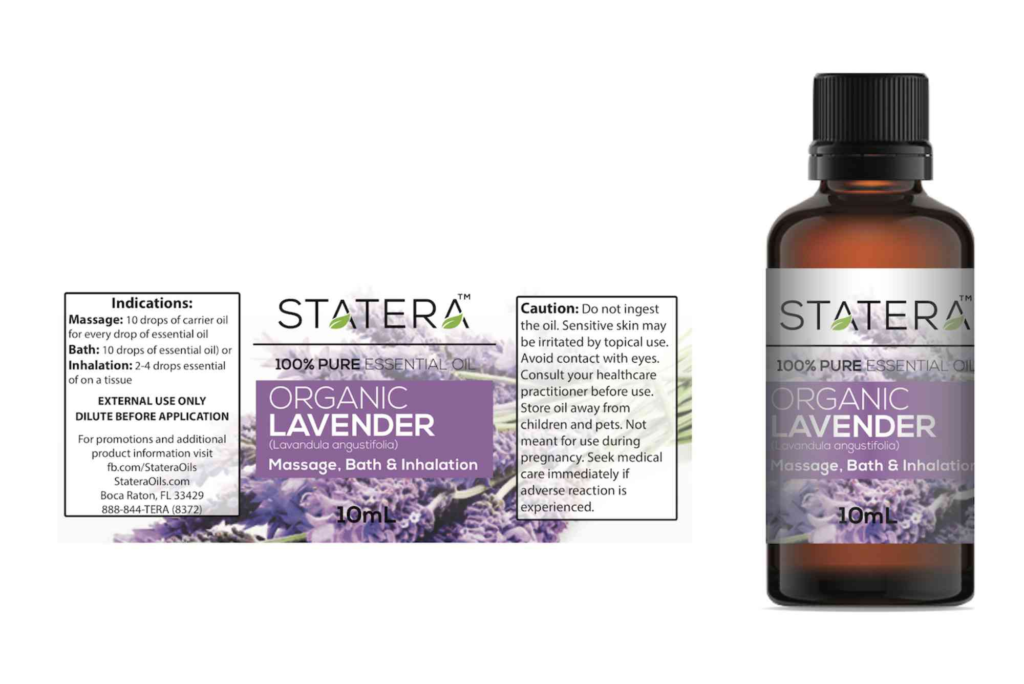
Introduction
Essential oil label design is far more than decoration. It is the silent salesperson that speaks before the bottle is opened. In the UK market, where consumers are informed and selective, a well-crafted label can decide whether a product is trusted or ignored. From legal compliance to brand identity, every detail on an essential oil label matters.
In this guide, we will explore essential oil label design from a practical, expert perspective. You will learn how to create labels that attract attention, communicate quality, and comply with regulations. This article is written in clear UK English, with real-world insights and no unnecessary fluff.
Why Essential Oil Label Design Matters
Essential oils are often purchased for wellness, skincare, or aromatherapy. Buyers want reassurance. The label is usually the first and sometimes the only source of that reassurance.
A strong essential oil label design builds trust instantly. It tells customers the oil is pure, safe, and professionally produced. On crowded shelves or online listings, the label also helps your product stand out without shouting.
Good design also reduces confusion. Clear information prevents misuse and supports safe application. This is especially important for essential oils, which are concentrated substances.
Understanding the UK Market for Essential Oils
UK consumers value transparency and authenticity. They tend to read labels carefully and research brands before buying. A label that looks vague or poorly designed can raise doubts.
Sustainability also plays a role. Many buyers expect eco-conscious packaging and honest claims. Your essential oil label design should reflect these expectations through tone, colour choices, and wording.
In the UK, minimal yet informative designs often perform better than overly decorative ones. Clean layouts feel professional and trustworthy.
Legal Requirements for Essential Oil Labels in the UK
Compliance is not optional. A beautiful label that ignores regulations can lead to fines or product removal.
For essential oils sold in the UK, labels must include the product name, net quantity, and supplier details. If the oil is classified as a cosmetic, additional rules apply under UK Cosmetic Regulation. Hazard warnings may also be required under CLP regulations if the oil is sold for fragrance or household use.
Your essential oil label design must leave enough space for this information without clutter. Planning for compliance early avoids costly redesigns later.
The Role of Branding in Essential Oil Label Design
Branding is how customers recognise you. Your label should reflect your brand personality clearly and consistently.
If your brand focuses on luxury, the design might use muted tones and elegant typography. If it targets wellness and nature, earthy colours and organic textures work well.
Consistency across your product range matters. When customers see your label, they should immediately know it belongs to your brand. This familiarity builds long-term trust.
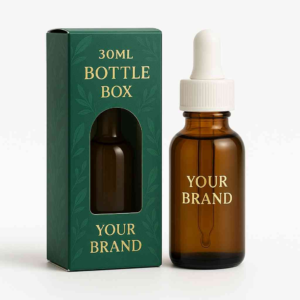
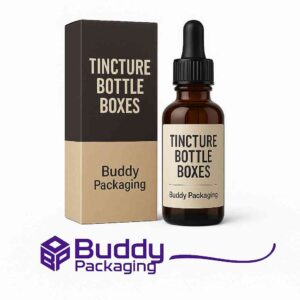
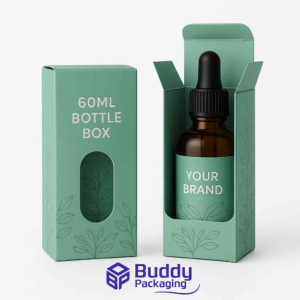
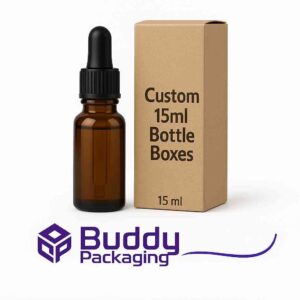
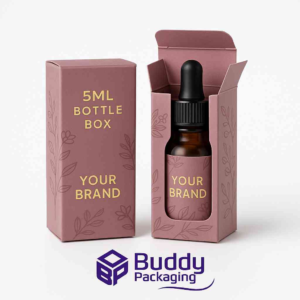
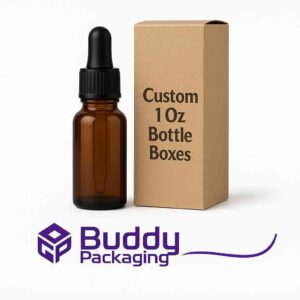
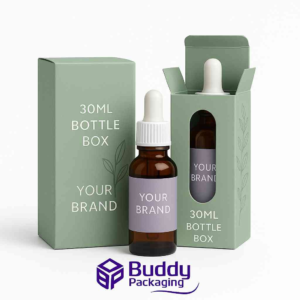
Many brands pair their labels with matching packaging, such as boxes. When combined with well-made packaging solutions like Custom Labels used alongside premium boxes, the overall presentation feels intentional and professional. For brands selling boxed oils, you can explore tailored packaging options through .
Typography Choices That Communicate Quality
Fonts speak louder than most people realise. A poor font choice can make a high-quality oil look cheap.
For essential oil label design, readability comes first. The product name, botanical name, and usage instructions should be easy to read at a glance. Decorative fonts may work for brand names but should never replace clear body text.
In the UK market, simple serif or clean sans-serif fonts are often preferred. They feel honest and modern. Avoid using too many fonts on one label. Two is usually enough.
Colour Psychology and Essential Oils
Colour influences emotion. In essential oil label design, colour choices should match both the oil and the brand message.
Lavender oils often use soft purples to suggest calm. Citrus oils lean towards yellows or oranges for energy. Earthy oils like vetiver or patchouli suit browns and greens.
Contrast is vital. Text must stand out against the background, especially on small bottles. Poor contrast can make labels hard to read and reduce trust.
In the UK, subtle colour palettes often perform better than overly bright ones. They suggest quality rather than novelty.
Material and Finish Considerations
Label material affects how your product feels in hand. This sensory experience matters more than many brands realise.
Paper labels give a natural, artisanal feel but may not suit bathroom environments. Waterproof synthetic labels last longer and look more polished. Matte finishes feel modern and premium, while gloss finishes offer vibrancy and shine.
Your essential oil label design should consider where the product will be used and stored. Oils are often kept in humid areas, so durability matters.
Insights into printing techniques and finishes can greatly improve the final result. Industry resources offering print & finishing insights, such as can help brands make informed decisions.
Information Hierarchy on Essential Oil Labels
A good label guides the eye naturally. This is achieved through information hierarchy.
The product name should be the most prominent element. Supporting details like the botanical name and origin come next. Instructions and warnings should be clear but not overwhelming.
Spacing is key. White space helps important information breathe. Crowded labels feel stressful and unprofessional.
When designing essential oil labels, always view the label at actual size. What looks clear on a screen may feel cramped on a 10ml bottle.
Storytelling Through Label Design
People connect with stories, even in small doses. Your label can hint at your brand story without becoming verbose.
A short line about sourcing, tradition, or purpose can add depth. For example, mentioning that an oil is steam-distilled or ethically sourced adds credibility.
In the UK market, understated storytelling works best. Avoid exaggerated claims. Honesty resonates more than hype.
Designing for Online and Offline Sales
Many essential oils are sold online. Your label must work both on shelves and on screens.
Small details should remain legible in product photos. Strong contrast and clear typography help online shoppers understand the product quickly.
Consistency between label and online description also matters. When customers receive the product, it should match what they saw online. This alignment builds trust and reduces returns.
Common Mistakes in Essential Oil Label Design
One common mistake is overcrowding the label with claims. Less is often more. Focus on what truly matters to the customer.
Another issue is ignoring regulations until the end. This often leads to awkward redesigns that compromise the look.
Poor print quality is another problem. Even the best design can fail if printed badly. Always test prints before full production.
How Professional Design Adds Long-Term Value
Investing in professional essential oil label design pays off over time. A strong label reduces marketing friction and builds brand equity.
Customers remember products that look trustworthy and consistent. Over time, this recognition leads to repeat purchases and word-of-mouth recommendations.
For growing brands, a well-designed label also makes it easier to expand into retail or international markets.
The best candle label designs combine creativity, clarity and brand personality to instantly attract customers. A well-crafted label reflects the scent, mood and quality of the candle while using elegant typography, balanced colours and premium finishes. From minimalist styles to luxurious detailing, thoughtful label design helps candles stand out on shelves, build trust, and create a memorable impression that encourages repeat purchases.
FAQs
What information must be on an essential oil label?
An essential oil label should include the product name, volume, supplier details, and safety warnings if required.
Do essential oil labels need ingredients listed?
Yes, if sold as a cosmetic. Ingredients must be listed using INCI names under UK regulations.
Are there UK regulations for essential oil label design?
Yes, labels must comply with UK Cosmetic and CLP regulations, depending on product use.
Can handmade essential oils use simple labels?
Yes, but labels must still be clear, professional, and legally compliant.
How important is design for essential oil labels?
Very important. Good design builds trust, improves sales, and supports brand recognition.
Essential oil label design sits at the crossroads of trust, compliance, and branding. It shapes first impressions and supports safe use. In the UK market, where customers value clarity and honesty, thoughtful label design is essential.
By focusing on readability, legal accuracy, and authentic branding, you can create labels that do more than look good. They build confidence and loyalty.
If you are planning to refine your essential oil label design or launch a new range, now is the time to invest in quality. Explore professional packaging and printing resources, review your current labels critically, and ensure every bottle tells the right story. Your customers will notice, and your brand will grow because of it.