Elements of Packaging Design
In the competitive world of retail, packaging is more than just a container; it is a crucial communication tool. Understanding the elements of packaging design can significantly influence consumer perception, brand recognition, and purchasing decisions. A well-crafted package not only protects the product but also tells a story, conveys value, and encourages brand loyalty. This guide will explore the key elements of packaging design, providing insights for businesses and designers alike.
Understanding Packaging Design
The Role of Packaging in Branding
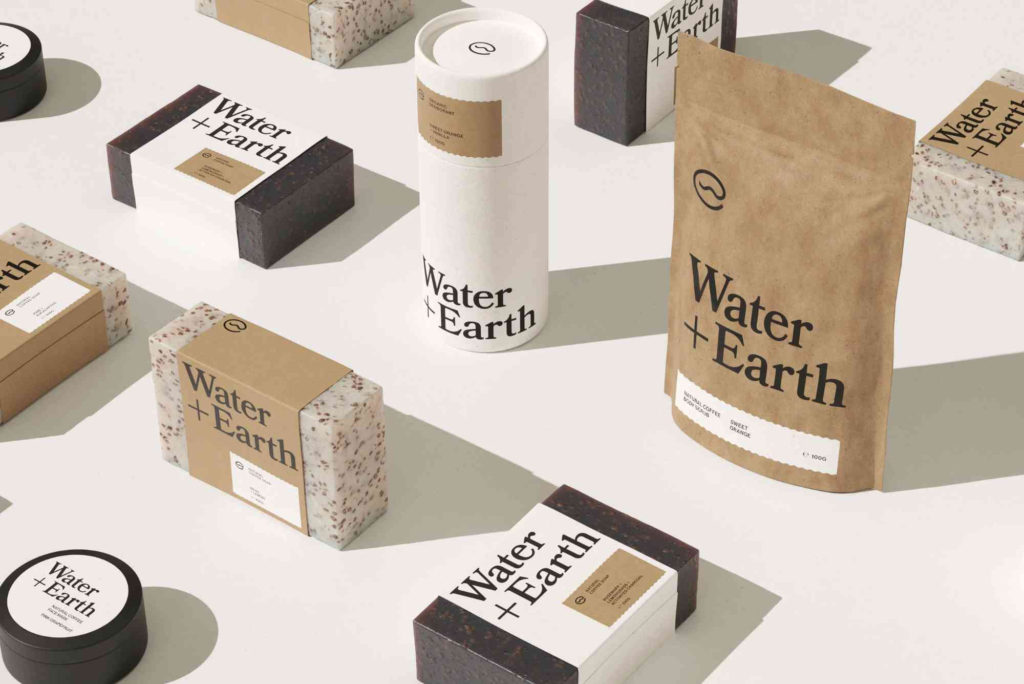
Packaging acts as a silent salesperson on the shelf. It communicates brand identity through colours, fonts, and imagery. Every element should align with the brand’s personality to create a cohesive experience. For example, luxury products often use minimalistic designs with metallic accents, while eco-friendly brands prefer earthy tones and recyclable materials.
Packaging as a Marketing Tool
Beyond aesthetics, packaging serves as a marketing tool. Clever design can attract attention, convey key information, and influence customer behaviour. Elements like innovative shapes, functional features, or interactive designs can enhance engagement and encourage repeat purchases.
Core Elements of Packaging Design
Colour Palette
Colour is one of the most powerful elements of packaging design. It evokes emotions and can drive brand recognition. For example, red can stimulate excitement or appetite, while blue conveys trust and reliability. Choosing a consistent colour palette that aligns with brand values ensures the packaging resonates with the target audience.
Typography
Typography refers to the font styles, sizes, and arrangement of text on packaging. Legibility is critical, but style also communicates tone. Serif fonts often suggest tradition or luxury, while sans-serif fonts feel modern and approachable. The hierarchy of text guides the customer through essential information effectively.
Imagery and Graphics
Images, illustrations, and patterns add visual appeal and communicate the product’s purpose. High-quality graphics enhance perceived value, while unique artwork can make the package memorable. Imagery should complement the brand message and product category without overwhelming the design.
Materials and Structure
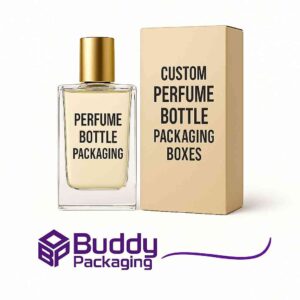
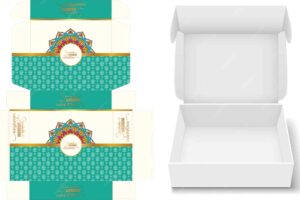
The choice of materials affects both the look and functionality of the packaging. Paperboard, plastics, glass, and metals each convey different qualities and tactile experiences. Structural design elements like box shapes, openings, and compartments enhance usability and can set the product apart on shelves.
Logo Placement
Your logo is the most recognizable aspect of your brand. Strategic placement ensures visibility and reinforces brand identity. Logos should be prominent but balanced within the design, maintaining harmony with other elements.
Brand Story and Messaging
Packaging is an opportunity to tell your brand story. Short messages or taglines can communicate values, sustainability efforts, or unique selling points. Storytelling creates an emotional connection, encouraging consumers to engage with the brand beyond the product itself.
Functional Features
Functionality enhances customer experience. Easy-to-open seals, resealable closures, and ergonomic shapes improve usability. Functional elements not only support the product but also increase consumer satisfaction and repeat purchases.
Finish and Coating
Surface finishes like matte, gloss, or soft-touch coatings influence perception. A glossy finish can convey vibrancy, while matte finishes suggest sophistication. Embossing, foiling, and spot varnishes create tactile interest and elevate the overall appeal of packaging.
Trends in Packaging Design
Sustainability
Sustainable packaging is no longer optional. Eco-conscious consumers prefer recyclable, biodegradable, or reusable materials. Highlighting sustainability on the packaging aligns the brand with environmental responsibility and attracts a loyal audience.
Minimalism
Minimalist design focuses on simplicity, clean lines, and essential information. This approach reduces clutter, enhances readability, and conveys elegance. It also complements modern branding strategies where less is often more.
Personalisation
Personalised packaging connects directly with consumers. Customised messages, limited-edition designs, or names on packages enhance the unboxing experience and encourage social sharing.
Practical Packaging Design Tips
When designing packaging, consider the customer journey from shelf to purchase. Every element should work together to communicate value, usability, and brand personality. Research competitors, test prototypes, and refine based on feedback. Partnering with experts in Custom Packaging, can provide innovative solutions that elevate your brand.
Common Mistakes to Avoid
Overcrowding
Too much information or graphic clutter can confuse customers. Focus on key messages and maintain visual balance.
Ignoring Target Audience
Design must reflect the preferences and expectations of the intended audience. A mismatch can reduce appeal and affect sales.
Neglecting Functionality
Even visually stunning packaging fails if it is difficult to use or protect the product. Always prioritise practical considerations.
Case Study Examples
Several successful brands demonstrate the power of packaging design. For instance, companies that invest in high-quality, thoughtfully designed packaging often see increased brand recognition and customer loyalty. Studying these examples provides valuable insights into effective strategies, including the use of colour, typography, and innovative materials.
The elements of packaging design are critical in creating an appealing, functional, and marketable product. From colour and typography to materials and messaging, each aspect plays a role in shaping consumer perception. By prioritising both aesthetics and functionality, brands can enhance recognition, satisfaction, and loyalty.
For businesses looking to elevate their product presentation, exploring professional packaging design tips and local expertise like Buddy Packaging Location can make a significant difference. Investing in thoughtful packaging design not only attracts customers but also strengthens long-term brand equity. Take the first step today and reimagine your packaging strategy.
FAQ
What are the essential elements of packaging design?
The essential elements include colour, typography, imagery, materials, logo placement, messaging, functionality, and surface finish.
How does packaging design influence consumer behaviour?
Packaging design attracts attention, communicates value, builds brand trust, and can drive purchasing decisions.
Why is sustainability important in packaging design?
Eco-friendly packaging appeals to environmentally conscious consumers and enhances brand reputation.
Can packaging design increase brand recognition?
Yes, consistent visual identity through colour, logo placement, and typography strengthens brand recognition.
How do I choose the right materials for packaging?
Consider product protection, target audience, environmental impact, and desired tactile experience when selecting materials.
buddypackaging.co.uk offers innovative and eco-friendly packaging solutions for businesses of all sizes. From custom boxes to sustainable materials, they help brands stand out while caring for the environment. Their expert team ensures high-quality, reliable, and stylish packaging that meets every need.