Egg Packaging Design
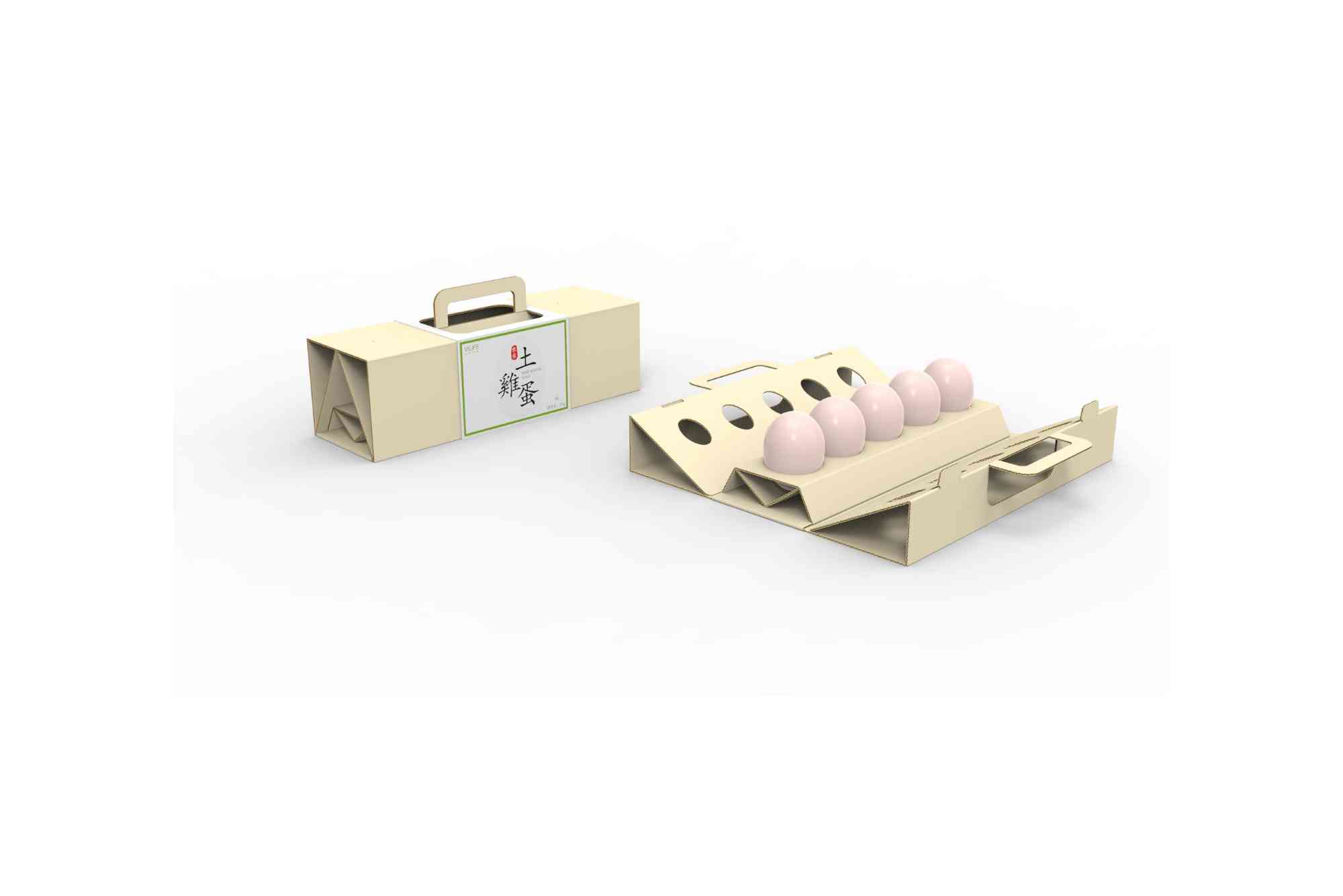
Introduction
Egg packaging design plays a vital role in how eggs are protected, perceived, and purchased. Eggs are among the most fragile food products sold daily. Because of this, the way they are packaged directly affects safety, shelf life, and consumer confidence. At the same time, modern buyers expect packaging to look appealing, feel responsible, and communicate quality clearly. A strong egg packaging design balances protection with presentation while meeting environmental and regulatory expectations.
In today’s competitive food market, packaging is often the first interaction a customer has with a brand. Eggs may seem like a simple product, yet the packaging surrounding them must solve complex challenges. It must prevent breakage, maintain freshness, and stand out on crowded shelves. When done correctly, egg packaging design becomes a silent salesperson that builds trust and encourages repeat purchases.
Understanding the Purpose of Egg Packaging Design
The primary purpose of egg packaging design is protection. Eggs have thin shells that crack easily under pressure or movement. Good packaging absorbs shocks during transport and stacking. It also keeps eggs separated to prevent friction and breakage. This protective function is essential from farm to supermarket shelf.
Beyond protection, egg packaging design also serves communication goals. Packaging tells the story of where the eggs come from, how they were produced, and why they are worth buying. Consumers often look for cues such as freshness, farming methods, and ethical standards. Clear design and thoughtful messaging help answer these questions instantly. Another important purpose is convenience. Shoppers want packaging that is easy to carry, open, and store. A well-designed carton fits neatly in a fridge and allows users to remove eggs without hassle. These small details influence buying decisions more than many brands realise.
Materials Used in Modern Egg Packaging Design
Material choice defines both performance and perception in egg packaging design. Traditional pulp cartons remain popular because they cushion eggs well and feel familiar. They are usually made from recycled paper, which appeals to environmentally conscious buyers. Their matte texture also suggests a natural and farm-fresh product.
Plastic cartons offer visibility, allowing customers to inspect eggs before purchase. This transparency builds trust but can raise sustainability concerns. To address this, many brands now use recycled or recyclable plastics. Design adjustments, such as reduced material thickness, also help lower environmental impact.

Cardboard-based solutions are gaining attention for premium egg packaging design. These cartons allow high-quality printing and refined finishes. They work especially well for organic or free-range eggs sold at higher price points. Cardboard offers a balance between protection and branding flexibility.
The Role of Sustainability in Egg Packaging Design
Sustainability has become central to egg packaging design. Consumers increasingly prefer packaging that aligns with their environmental values. Brands that ignore this shift risk losing relevance. As a result, many producers now prioritise recyclable, compostable, or biodegradable materials.
Sustainable egg packaging design also considers production efficiency. Lightweight materials reduce transport emissions. Compact designs use less space, allowing more cartons per shipment. These improvements lower costs while supporting environmental goals. Designers must also think about end-of-life disposal. Clear recycling instructions printed on the packaging help consumers make responsible choices. When sustainability is communicated clearly, it strengthens brand credibility and trust.
Branding and Visual Appeal in Egg Packaging Design
Branding is where egg packaging design truly comes to life. While eggs themselves may look similar, packaging creates differentiation. Colour choices, typography, and imagery all influence how a product is perceived. Earthy tones often signal organic or free-range eggs, while clean whites suggest freshness and purity. Visual hierarchy matters in egg packaging design. Key information such as egg size, quantity, and farming method should be easy to find. Overcrowded designs confuse shoppers and reduce trust. Clear spacing and thoughtful layout improve readability and shelf impact.
High-quality printing elevates perceived value. Even simple designs can feel premium when printing is crisp and consistent. Many brands invest in professional Custom Packaging solutions to ensure their cartons reflect their values and quality standards. This approach allows businesses to stand out without compromising practicality. You can explore tailored carton options through for packaging that supports both branding and protection.
Regulatory and Safety Considerations
Egg packaging design must comply with food safety regulations. In the UK, cartons need to display specific information such as best-before dates, producer codes, and storage advice. These details must be legible and durable throughout the product’s shelf life.
Designers must ensure that inks and adhesives used in packaging are food-safe. Packaging should not contaminate eggs or absorb moisture excessively. These technical considerations may not be visible to consumers, but they are critical for compliance and safety.Clear labelling also protects brands from legal issues. Accurate claims about organic status or farming practices must be supported by certification. A well-informed approach to egg packaging design avoids misleading information and builds long-term trust.
Consumer Psychology and Buying Behaviour
Egg packaging design strongly influences buying behaviour. Shoppers often make quick decisions, especially for everyday items like eggs. Packaging that feels trustworthy and familiar tends to perform better. At the same time, subtle design upgrades can encourage customers to trade up to premium options.
Texture plays a psychological role as well. A sturdy carton suggests quality and care. A flimsy package can raise doubts about freshness, even if the eggs are perfectly fine. Designers must consider how packaging feels in the hand, not just how it looks on the shelf. Storytelling also matters. Many consumers want to know about the farm, the hens, and the production process. Egg packaging design that shares this story creates emotional connection. This connection often leads to brand loyalty over time.
Innovation Trends in Egg Packaging Design
Innovation continues to shape egg packaging design. Smart packaging features, such as QR codes, allow brands to share detailed information digitally. Customers can scan codes to learn about sourcing, recipes, or sustainability initiatives. This interactive element adds value without cluttering the carton.
Structural innovation is also evolving. Some designs focus on stackability to improve logistics. Others aim to reduce material use while maintaining strength. These innovations help brands reduce costs and environmental impact simultaneously. Designers also experiment with minimalist aesthetics. Clean layouts with limited colours appeal to modern consumers. This trend reflects broader movements in food packaging, where simplicity signals honesty and quality.
Local Identity and Market Positioning
Local identity can strengthen egg packaging design significantly. Many buyers prefer locally produced food and want packaging to reflect this. Mentioning regional origins or using imagery inspired by local landscapes builds authenticity.
For businesses operating in specific areas, highlighting their presence adds credibility. Including references to a Buddy Packaging Location can reassure customers that the brand is accessible and transparent. A clear location connection, such as , reinforces trust and supports local branding.
Market positioning also depends on where the eggs are sold. Supermarkets, farm shops, and online platforms each have different requirements. Egg packaging design must adapt to these contexts while maintaining brand consistency.
Practical Design Advice for Better Results
Effective egg packaging design benefits from practical testing. Designers should evaluate how cartons perform during transport and handling. Drop tests and stacking trials reveal weaknesses early in the process. These insights prevent costly damage later.
Collaboration between designers, producers, and suppliers improves outcomes. Each party brings valuable knowledge. Producers understand egg handling, while designers focus on visual impact. Suppliers contribute insights on materials and manufacturing.
Staying informed about broader packaging design tips also helps brands stay competitive. Learning from trends across industries can inspire better solutions. Creative resources such as provide valuable insights into design innovation and best practices.
The Future of Egg Packaging Design
Egg packaging design is far more than a container for fragile goods. It is a strategic tool that combines protection, communication, and branding. As consumer expectations evolve, packaging must keep pace with demands for sustainability, transparency, and visual appeal.
Brands that invest in thoughtful egg packaging design gain a competitive edge. They reduce waste, build trust, and create stronger connections with customers. Whether selling basic cartons or premium organic eggs, design choices matter at every level.
FAQs
What is the best material for egg packaging design?
The best material depends on priorities such as sustainability, cost, and branding. Pulp cartons remain popular for their cushioning and eco-friendly image. Plastic and cardboard options also work well when designed responsibly.
Why is egg packaging design important for branding?
Egg packaging design shapes first impressions and builds trust. Since eggs look similar, packaging becomes the main differentiator. Strong design communicates quality, ethics, and value instantly.
How does sustainable egg packaging design affect sales?
Sustainable egg packaging design often increases appeal among environmentally conscious consumers. Clear sustainability messaging can influence purchasing decisions and strengthen brand loyalty.
Can egg packaging design reduce breakage?
Yes, well-engineered egg packaging design significantly reduces breakage. Proper spacing, shock absorption, and structural strength protect eggs during transport and handling.
What information must be included on egg packaging in the UK?
UK egg packaging must include producer codes, best-before dates, storage advice, and size or weight details. This information must be clear and compliant with food safety regulations.
