Introduction
Egg packaging box design has become a vital part of modern food branding and safety. As consumer preferences evolve, brands now focus on packaging that is protective, sustainable, visually appealing, and aligned with market expectations. Whether you produce eggs on a small farm or operate a large commercial brand, understanding how to design the right packaging can significantly improve customer trust and sales. In this guide, you will learn the full process of creating egg boxes that are functional, attractive, and tailored to your brand’s identity.
Understanding the Importance of Egg Packaging Box Design
Eggs are fragile, and they demand strong protection. This is why egg packaging box design plays a central role in ensuring product safety during handling and transport. A well-designed egg box does more than hold eggs. It protects them, communicates your brand message, supports sustainability goals, and enhances the customer experience. As retailers become more competitive, thoughtful packaging can differentiate your brand.
Key Elements of an Effective Egg Packaging Box Design
Several components combine to create successful packaging. When considered together, they form a complete design strategy that appeals to customers while maintaining functionality.
Material Choices That Matter
Selecting the right material shapes the durability and feel of your packaging. Paper pulp and cardboard remain popular due to their eco-friendly properties. Recycled pulp, in particular, has gained traction as customers seek sustainable options. Plastics offer better resistance to moisture, but they are declining in popularity due to environmental concerns. Corrugated card options provide superior strength for larger pack sizes.
Structural Layout and Functionality
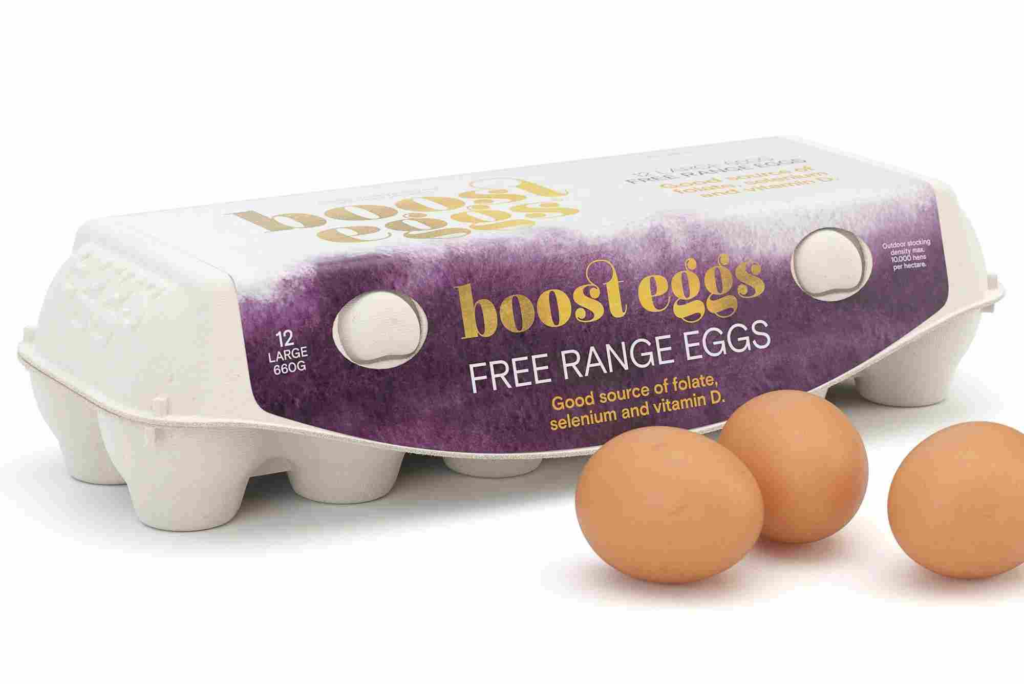
The structural design determines how well the packaging protects the eggs. The box must absorb shocks, prevent movement, and keep the eggs securely in place. A good egg packaging box design includes snug compartments, structurally sound walls, and easy-to-open lids. Some brands are now exploring ergonomic handles and tamper-evident features to improve convenience and safety. Ventilation holes are also useful, especially for farm-fresh egg brands that rely on airflow to keep eggs cool.
Branding and Visual Identity
Your packaging reflects your brand. Thoughtful visual design creates instant recognition and forms a connection with buyers. Colours, typography, illustrations, and label placement all contribute to this. A clean, minimal style often suits premium brands, whereas vibrant, playful designs resonate with family-oriented or farm-fresh labels. Creative design must remain balanced with clarity. Customers want essential information such as egg size, count, farm name, nutritional data, and certifications. Using professional services such as Custom Boxes from Buddy Packaging can enhance visual consistency and quality across your product range.
Sustainability and Eco-Friendly Choices
Modern consumers favour brands committed to sustainability. Choosing biodegradable materials, soy-based inks, and recyclable coatings adds value to your product. Sustainable egg packaging box design also includes optimisation techniques that reduce waste, lightweight materials that lower shipping emissions, and minimalistic structural layouts that use fewer resources. Communicating these choices on your packaging can boost your brand reputation.
Design Trends Transforming Egg Packaging Box Design
Packaging trends shift based on market preferences and technological advances. Staying updated helps ensure your egg box design remains relevant and competitive.
Minimalist Aesthetic with Clean Typography
Customers appreciate simplicity. A minimalist approach focuses on clean lines, soft colours, and essential messaging. This style communicates transparency and trust, which are vital in the food industry.
Rustic and Organic Designs
Rustic design styles reflect natural farming processes and organic production. Earth-tone colours, hand-drawn illustrations of chickens or farms, and textured materials create an authentic, wholesome feel.
Bold Colour Blocking and Modern Graphics
Urban brands often use bold colours, geometric shapes, and modern fonts. This contemporary style stands out on store shelves, attracting younger buyers who value uniqueness.
Enhanced Printing and Finishing Techniques
Advanced printing methods improve visual appeal and durability. Brands use embossing, debossing, spot UV finishes, and matte or gloss coatings. These choices elevate your egg packaging box design and help your product look more premium. You can explore more print & finishing insights to stay updated with the latest industry advancements.
How to Create a Strong Egg Packaging Box Design: Step by Step
Designing egg packaging requires a strategic approach. Each step contributes to the final product’s effectiveness and market appeal.
Define Your Purpose and Audience
Start by identifying who will buy your eggs. Are you targeting supermarkets, local markets, gourmet stores, or eco-friendly consumers? Each group values different features. Understanding your audience will guide your decisions on materials, colours, shape, and messaging.
Choose the Right Box Structure
Decide whether you need a dozen-egg box, half-dozen pack, or a speciality pack such as a 4-egg or 18-egg design. Your choice must reflect your market requirements and distribution channels.
Create a Strong Brand Message
Your box should communicate what makes your eggs exceptional. Whether they are organic, free-range, enriched, or farm-fresh, highlight this on your packaging. Clear labelling builds trust.
Optimise Visual Design
Work with a professional designer or an expert team to refine visual elements. Ensure the packaging is easy to read, attractive, and aligned with your brand identity.
Add Practical Features
Consider adding handles, resealable lids, or transparent windows that allow customers to inspect the eggs. These practical features enhance user experience.
Conduct Material Testing
Always test your packaging under real-world conditions. Check for durability, shock absorption, moisture resistance, and ease of stacking. Testing prevents costly issues during production.
Consider Local Manufacturing Advantages
Working with local packaging suppliers helps reduce lead times and simplify logistics. If you are in the UK, exploring Buddy Packaging Location details can help you understand nearby resources for custom packaging.
Branding Strategies to Enhance Egg Packaging Box Design
Branding plays a central role in customer perception. Strategic design decisions help strengthen your brand identity and build long-term loyalty.
Keep the Design Consistent Across All Products
Consistency reassures customers. Use the same colours, fonts, and imagery across your egg box varieties to build recognition.
Highlight Certifications Authentically
If your eggs are organic, free-range, or certified humane, place these badges clearly on the box. Certifications influence buying decisions and strengthen credibility.
Use Storytelling to Connect Emotionally
A short brand story or farmer message adds a personal touch. Customers appreciate transparency and authenticity, especially in the food sector.
Showcase Nutritional and Safety Information
Providing accurate information reflects professionalism and builds trust. It also helps customers make informed decisions quickly.
Innovations Shaping the Future of Egg Packaging Box Design
Technology is transforming packaging. The future of egg boxes promises smarter, more interactive, and more eco-friendly solutions.
Smart Packaging Features
Some brands now integrate QR codes to share traceability data, farm stories, recipes, and sustainability information. This interactive approach deepens engagement.
Eco-Tech Materials
Biodegradable plastics, plant-based fibres, and renewable materials like bamboo continue to evolve. These innovations make packaging lighter, stronger, and better for the planet.
Automation-Friendly Structural Designs
Manufacturers are adapting packaging to work efficiently with automated packing lines. This reduces labour and improves consistency.
Common Mistakes to Avoid in Egg Packaging Box Design
Even great brands make mistakes, but knowing them in advance helps you avoid costly errors.
Overly Complex Graphics
Too many visual elements can confuse rather than attract. Keep your design clean and purposeful.
Weak Structural Integrity
If the box fails to protect the eggs, customers lose confidence instantly. Strength must always come first.
Ignoring Consumer Feedback
Customers notice small details. If they mention difficulty opening the box or weak compartments, take that feedback seriously.
Using Non-Recyclable Materials
Consumers are increasingly environmentally conscious. Avoid materials that harm your brand reputation.
Egg packaging box design is more than a protective structure. It is a powerful branding tool, a sustainability statement, and a practical solution that enhances product value. By choosing quality materials, thoughtful layouts, and strong visual designs, you can create packaging that strengthens your brand identity and attracts loyal customers. If you want guidance, expert support, or bespoke solutions, explore professional services that can transform your packaging. Now is the perfect time to upgrade your packaging and elevate your brand.
FAQs
What is the best material for egg packaging?
Recycled pulp is considered the best option due to its sustainability, strength, and affordability. Cardboard and corrugated board are also reliable choices.
How can I make my egg packaging more attractive?
Use balanced colours, clear fonts, and appealing illustrations. Adding premium finishes can also improve shelf appeal.
How do I choose the right size for egg boxes?
Choose a size based on your egg type and market needs. Standard options include packs of 6, 10, 12, and 18 eggs.
How do I ensure my egg packaging is sustainable?
Use recyclable materials, eco-friendly inks, minimalistic designs, and streamlined shapes that reduce waste.
Do labels and certifications affect buyer decisions?
Yes. Shoppers rely on visible certifications such as organic or free-range badges to make quick and confident purchases.