Introduction
In today’s competitive marketplace, first impressions matter more than ever. Effective packaging design is often the deciding factor that captures customer attention and drives purchasing decisions. Beyond its functional purpose of protecting a product, packaging communicates a brand’s story, values, and quality at a single glance. Companies that invest in well-thought-out packaging not only enhance customer satisfaction but also build long-term loyalty. Whether you are a startup introducing a new product or an established brand looking to refresh your presence, understanding the principles of effective packaging design is essential for standing out in a crowded market.
Why Effective Packaging Design Matters
Packaging is more than just a container. It is a silent salesperson that works 24/7 on the shelves, online listings, and in customers’ homes. Effective packaging design helps your product differentiate itself in a sea of competitors, builds trust, and reinforces brand recognition. Research shows that many consumers make purchasing decisions within seconds of seeing a product. If the packaging does not resonate with them emotionally or visually, the opportunity may be lost. Furthermore, packaging also impacts the unboxing experience, which has become increasingly significant in the era of e-commerce. A memorable package can create a sense of excitement and inspire customers to share their experience online, amplifying your brand visibility.
Key Elements of Effective Packaging Design
Clear Brand Identity
A package should communicate a clear and consistent brand identity. Logos, colours palettes, typography, and imagery all contribute to how customers perceive your brand. Consistency ensures recognition, while unique elements set your product apart.
Functionality and Protection
Beyond aesthetics, packaging must serve its functional role. It should protect the product during shipping, storage, and handling. Effective packaging design balances attractiveness with practicality, ensuring that products reach consumers in perfect condition.
Simplicity and Clarity
Complicated packaging designs can overwhelm or confuse buyers. Simple, clean, and well-structured designs allow customers to quickly understand what the product is and why it’s valuable. Clear labeling of product benefits, ingredients, or usage instructions improves trust and purchase confidence.
Emotional Connection
Consumers are more likely to remember packaging that evokes emotions. Whether through colours psychology, storytelling, or design details, packaging should create a connection that resonates with target audiences. A box of luxury chocolates might use elegant fonts and metallic finishes to evoke indulgence, while eco-friendly cleaning products might feature earthy tones and recyclable materials to reflect sustainability.
Sustainability Considerations
Modern consumers are increasingly eco-conscious. Effective packaging design today must integrate sustainability, using recyclable, biodegradable, or reusable materials. Brands adopting green practices are not only meeting consumer expectations but also contributing positively to the environment.
How to Create Effective Packaging Design
Understand Your Target Audience
Every design decision should be guided by customer insights. Packaging for premium skincare products will look very different from packaging for children’s toys. By understanding demographics, preferences, and values, businesses can design packaging that resonates directly with their ideal buyers.
Balance Innovation with Familiarity
While innovative designs attract attention, too much deviation from what consumers expect may cause confusion. The best effective packaging design incorporates innovation while maintaining familiar cues that help consumers identify the product category easily.
Incorporate Visual Hierarchy
Good design directs the eye. Elements such as product name, brand logo, and key features should be arranged strategically to lead the customer through the information in a logical order.
Leverage Print & Finishing Techniques
Details matter in packaging. The use of embossing, foil stamping, spot UV, or matte finishes can significantly enhance the look and feel of packaging. Brands that explore professional print & finishing insights often discover new ways to elevate their packaging from ordinary to extraordinary.
Invest in Custom Packaging
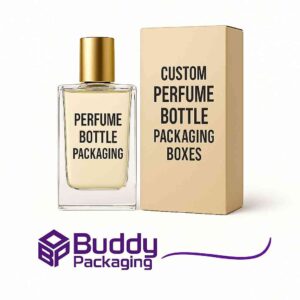
Generic packaging rarely leaves a lasting impression. Custom Packaging tailored to your brand and product offers opportunities to create unique designs that stand out. Personalized packaging strengthens brand recall and shows customers that you pay attention to every detail of their experience.
Benefits of Effective Packaging Design
Boosts Shelf Impact
Eye-catching packaging naturally attracts attention, increasing the chances of your product being chosen over competitors. This is especially crucial in retail environments where customers are bombarded with choices.
Enhances Customer Experience
Packaging contributes to the overall product experience. Smooth unboxing, easy handling, and thoughtful design add to customer satisfaction, making them more likely to return.
Supports Brand Storytelling
Effective packaging design communicates your brand’s values and story. Whether your message is about luxury, sustainability, or affordability, packaging is a canvas for reinforcing that narrative.
Encourages Repeat Purchases
A memorable packaging experience builds positive associations. When customers enjoy interacting with your product’s packaging, they are more inclined to repurchase and recommend it.
Increases Perceived Value
Well-designed packaging can elevate a product’s perceived value, allowing businesses to position themselves as premium and potentially command higher prices.
Trends in Effective Packaging Design
Minimalism
Clean lines, uncluttered designs, and neutral colours are dominating packaging trends. Minimalist packaging emphasizes sophistication and clarity.
Eco-Friendly Materials
Sustainable materials are no longer optional. From biodegradable plastics to recycled cardboard, eco-friendly packaging reflects modern consumer priorities.
Interactive Packaging
QR codes, augmented reality, and smart packaging technologies allow brands to extend engagement beyond the physical product. These features provide customers with more information, entertainment, or digital connections.
Bold Colours and Typography
Many brands are embracing vibrant colours and strong typography to stand out on crowded shelves, capturing consumer attention instantly.
Personalized Experiences
From name customization to limited-edition designs, personalisation is helping brands connect with customers on a deeper level.
Real-World Examples of Effective Packaging Design
Luxury brands often excel in packaging that feels like an extension of the product. Apple, for example, is renowned for minimalist but highly functional packaging that creates a premium unboxing experience. Similarly, eco-conscious companies such as Lush use recycled materials and creative labeling to appeal to environmentally aware customers. These examples illustrate that effective packaging design adapts to both brand identity and consumer expectations.
Challenges in Effective Packaging Design
Even with best practices, brands face challenges such as cost constraints, balancing aesthetics with sustainability, and meeting global regulatory requirements. Additionally, designing packaging for both physical retail and online shipping can be complex. However, strategic planning, creativity, and working with trusted packaging partners can help overcome these obstacles.
Effective Packaging Design and Business Growth
Businesses that prioritize packaging see measurable benefits in brand recognition, customer loyalty, and sales growth. Effective packaging design serves as a long-term investment rather than just an expense. It ensures that every product reaching customers leaves a memorable impression. Whether sold in a physical store or shipped to a doorstep, well-designed packaging enhances every interaction.
Effective packaging design is no longer optional—it is a critical part of brand strategy. It shapes perceptions, builds trust, and ultimately influences purchasing behavior. By combining creativity, functionality, and sustainability, brands can craft packaging that delights customers and supports long-term success. If you want to explore tailored solutions, consider working with experts in Custom Packaging to design packaging that aligns perfectly with your vision. For further guidance, explore professional print & finishing insights or even visit the Buddy Packaging Location to connect with specialists who understand the value of impactful packaging. Your packaging is more than just a wrapper—it is your brand’s first handshake with the world.
FAQs
What makes packaging design effective?
Effective packaging design combines aesthetics, functionality, and brand alignment. It protects the product, communicates its value, and resonates with the target audience.
How does packaging influence customer buying decisions?
Packaging attracts attention, conveys quality, and creates emotional connections. Shoppers often choose products that stand out visually and feel trustworthy.
Why is sustainable packaging important in design?
Sustainable packaging meets consumer demand for eco-conscious products. It reduces environmental impact while enhancing brand reputation and customer loyalty.
What are common mistakes in packaging design?
Overcomplicated designs, unclear labeling, and ignoring target audience preferences are frequent mistakes. Packaging should be clear, consistent, and customer-focused.
How much does effective packaging design cost?
Costs vary based on materials, printing techniques, and customisation. While premium designs require investment, the return in brand value and sales often outweighs the expense.