Eco Packaging Design: A Complete Guide for Sustainable Branding
Eco packaging design has become essential for brands that want to reduce environmental impact while improving customer experience. As consumers become more conscious of sustainability, businesses must rethink how products are packaged, shipped, and presented. Thoughtfully crafted eco packaging design not only protects the environment but also elevates a brand’s identity. It communicates responsibility, innovation, and long-term vision. This guide explains everything you need to know about creating sustainable packaging that is both functional and visually appealing.
Why Eco Packaging Design Matters Today
Sustainability is no longer a trend; it is an expectation. Customers actively seek products with reduced waste, biodegradable materials, and thoughtful design. As a result, eco packaging design offers brands an opportunity to lead by example. It supports environmental goals, reduces carbon footprint, and minimises reliance on harmful plastics. More importantly, it aligns with growing customer values and encourages long-term trust.
Businesses using eco-friendly packaging also enjoy stronger brand loyalty. People support companies that take responsibility for their environmental impact. Therefore, adopting sustainable packaging is both an ethical choice and a powerful marketing advantage. With regulations becoming stricter and waste reduction policies expanding, eco packaging design helps brands stay compliant and forward-thinking.
Understanding the Core Principles of Eco Packaging Design
Eco packaging design is built on a few essential principles. These help guide decisions from material selection to manufacturing and final presentation. By applying these principles, brands can create packaging that is both sustainable and functional.
Reduce Waste at Every Stage
The most important aspect of eco packaging design is waste reduction. This means choosing materials that require fewer resources to produce and ensuring the packaging creates minimal rubbish after use. Brands often achieve this by simplifying designs, reducing excess layers, or using lighter materials.
Choose Sustainable and Renewable Materials
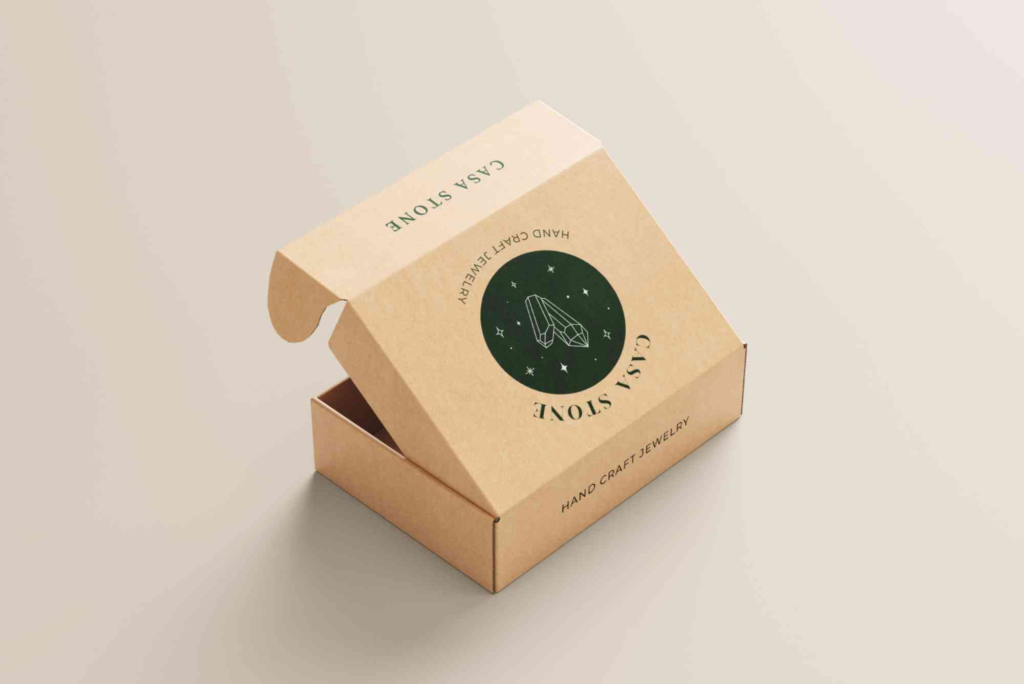
Eco packaging relies on renewable materials like recycled paper, cardboard, plant-based plastics, and biodegradable fibres. These materials help lower environmental damage and can be reused or composted. For instance, recycled cardboard remains one of the most effective and widely used sustainable packaging options.
Design for Reuse and Recycling
Another key principle is to create packaging that customers can easily reuse or recycle. Simple designs made from single-material construction are particularly effective because they prevent confusion and streamline recycling.
Minimise Environmental Impact During Production
Sustainable packaging is not only about materials; it also considers manufacturing. Using energy-efficient machinery, water-saving methods, and non-toxic inks can significantly reduce environmental impact. Even small changes, such as switching to soy-based inks, can make a noticeable difference.
The Benefits of Eco Packaging Design for Modern Brands
Brands that invest in eco packaging design experience a wide range of benefits. These advantages go far beyond environmental responsibility and positively affect brand reputation, customer loyalty, and business efficiency.
Eco-friendly packaging enhances brand image by creating a strong emotional connection with eco-conscious customers. It also boosts marketing efforts because sustainability has become a powerful selling point. Well-designed packaging, paired with responsible materials, can elevate your brand’s visual identity and message.
Businesses also reduce long-term costs by adopting sustainable materials. Lightweight packaging reduces shipping expenses, while simplified designs lower production costs. As supply chains become more efficient, waste management also becomes easier and more affordable.
Many companies take their eco packaging design a step further by incorporating personalised or branded solutions. For example, businesses looking for more tailored packaging options can explore Custom Packaging to strengthen their branding while maintaining eco-friendly materials.
Key Elements That Make Eco Packaging Effective
Effective eco packaging design combines sustainability with creativity. A well-balanced approach ensures your packaging is kind to the planet while enhancing customer satisfaction.
Minimalist Structure and Material Efficiency
Minimalism remains a leading trend in eco packaging design. Simple structures use fewer resources and reduce waste. This also helps brands communicate transparency and modern aesthetics. Minimalist packaging is easy to recycle, cost-effective, and visually appealing.
Biodegradable and Compostable Materials
Brands increasingly use plant-based materials like cornstarch, hemp fibres, mushroom packaging, and bamboo. These biodegradable solutions break down naturally, leaving no harmful residue. Compostable packaging also appeals to consumers who actively seek environmentally safe products.
Recyclable Paper and Cardboard Solutions
Paper and cardboard remain top choices due to their accessibility, flexibility, and low environmental impact. They can be printed, folded, shaped, and customised easily while remaining recyclable and sustainable.
Innovative Reusable Packaging Designs
Some brands take sustainability further with packaging that doubles as a reusable item. From decorative jars to cloth pouches, reusable packaging extends product value and significantly reduces waste.
Non-Toxic Inks and Chemicals
Switching from petroleum-based inks to vegetable or soy inks enhances recyclability and limits harmful emissions. Non-toxic inks also ensure packaging is safe for food, cosmetics, and children’s products.
How to Create Eco Packaging Design That Enhances Your Brand
Crafting effective eco packaging involves strategic thinking, creativity, and a strong understanding of your brand’s values. To develop packaging that stands out, consider these essential steps.
Start by identifying your target audience and their sustainability expectations. This ensures your packaging design communicates the right message. Next, evaluate your product’s needs such as durability, protection, and shelf appeal. Sustainable materials must still perform effectively.
Collaboration with designers and sustainability experts helps ensure practicality and visual appeal. For guidance and inspiration, brands often reference industry resources that share packaging design tips, helping them create visually compelling and eco-friendly packaging.
Once your design is ready, focus on communicating your sustainability efforts clearly. Use simple labels, icons, or brief messages to guide customers on recycling or reusing the packaging. Transparency builds trust and encourages repeat purchases.
Eco Packaging Design Trends Shaping the Future
Sustainability continues to evolve, and new trends reshape how brands approach eco packaging design. One major trend is smart packaging that includes QR codes linking to sustainability details, recycling instructions, or brand stories. Another trend is the rise of refillable containers, particularly in cosmetics and household products.
The industry also sees strong movement toward mono-material packaging, which uses a single type of material for easier recycling. Additionally, advancements in plant-based plastics and biodegradable composites provide new opportunities for innovation.
The future will bring even more advanced materials that mimic traditional plastics but decompose naturally. This allows brands to maintain durability while reducing waste dramatically.
Common Challenges and How to Overcome Them
Although sustainable packaging offers countless benefits, brands may face challenges during implementation. The most common issue is balancing sustainability with cost. Eco-friendly materials sometimes cost more, though this is decreasing as demand rises. Brands can overcome this by simplifying designs, buying in bulk, or partnering with eco-focused suppliers.
Another challenge is maintaining product protection with lighter materials. Designers can counter this by reinforcing critical areas or choosing stronger recycled materials. Ensuring customer understanding is another barrier; some may not know how to recycle or compost packaging properly. Clear instructions solve this issue.
FAQs
What is eco packaging design?
Eco packaging design refers to creating packaging using sustainable materials and processes that reduce environmental impact while maintaining functionality and branding value.
Why is eco-friendly packaging important for businesses?
It improves brand reputation, reduces waste, lowers long-term costs, and meets consumer expectations for responsible products.
What materials are used in eco packaging?
Common materials include recycled paper, cardboard, plant-based plastics, bamboo, hemp, and biodegradable fibres.
How can I make my packaging more sustainable?
Use recyclable materials, reduce unnecessary layers, choose non-toxic inks, and design packaging that customers can easily reuse or recycle.
Is eco packaging more expensive?
Initially, it can be, but long-term savings occur through lighter materials, reduced waste, and improved customer loyalty.
Eco packaging design is more than an environmental trend—it is a powerful branding tool and a long-term investment in sustainability. By choosing responsible materials, reducing waste, and creating packaging customers appreciate, your brand stands out in a crowded market. Now is the perfect time to embrace sustainable packaging and contribute to a cleaner planet.